Andy Burnham’s advisers push for early election amid shifting political landscape
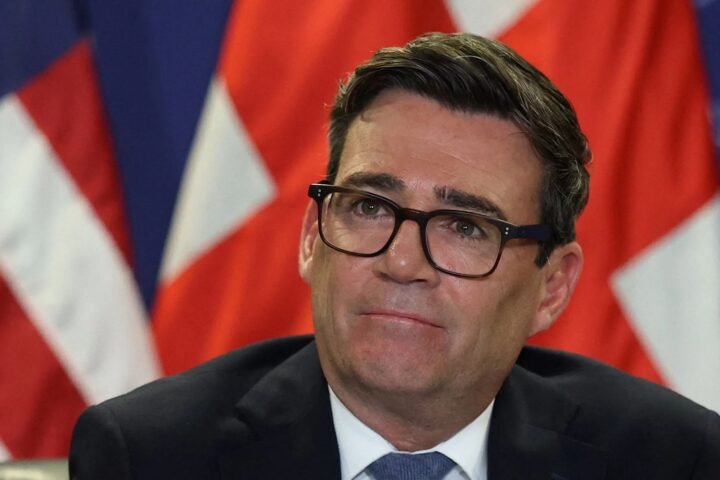
Advisers in No 10 are reportedly pushing for Andy Burnham to call an early election next year as part of an attempt to keep Labour in power, reports BritPanorama.
This development follows a YouGov MRP poll predicting that the Tories and Reform UK would be left with a combined 253 seats, while Labour would become the largest party with 241 seats.
According to The Telegraph, senior members of Burnham’s team believe that calling an election in the spring could offer the best chance for Labour to secure another majority.
However, those advocating for an early election caution that Prime Minister Rishi Sunak would only be able to call one if the crisis in the Middle East stabilizes, alleviating the cost of living crisis and leading to lower energy prices.
A senior government source indicated there is “diverse opinion across government” regarding the timing of the next election but suggested Burnham would be “naive not to be contemplating all scenarios.”
Concerns have been raised that Sir Keir Starmer’s election manifesto has left the party somewhat constrained. One source stated, “There are lots of things we can do within the red lines of the manifesto, but that is not the prime minister’s manifesto.”
Recent polling by YouGov’s MRP, based on data from nearly 17,000 British respondents, projected that if a general election were to be held now, the Conservatives and Reform UK would likely finish as the second and third largest parties in a hung parliament.
If the Conservatives secure their projected 130 seats, this would mark a nine-seat improvement from their performance in the 2024 general election, where they lost their majority in the House of Commons.
Reform UK, which currently has eight MPs, is forecasted to make significant gains, concluding with 123 seats. However, this coalition would still fall short of the 326-seat threshold required for a majority.
YouGov’s analysis indicates that Labour would emerge as the biggest party with 241 seats, followed by the Liberal Democrats with 71 seats, the SNP with 40, Plaid Cymru with 15, and the Green Party with nine.
While Reform made strides in the devolved and local elections in May, the party has faced scrutiny over donations to leader Nigel Farage. It has also seen its lead in voting intentions diminish since Burnham’s tenure began, as well as emerging competition from the right.
A recent donations scandal has further exacerbated challenges for Farage, overshadowing what was intended to be a significant comeback speech at Reform’s party conference in Birmingham. Allegations regarding illegal contributions resulted in the resignation of Farage’s chief of staff and policy director.
In light of the shifting voter sentiment and opposition parties gaining momentum, the discussion around the timing and implications of a general election remains paramount for Labour and its leadership.