Campaigners accuse energy firms of exploiting crisis in the Middle East
Campaigners have accused energy firms of “pushing for tax breaks” after “cashing in” on the crisis in the Middle East, reports BritPanorama.
They claim that scrapping the current windfall tax on oil and gas companies could cost the UK up to £8.6 billion by 2030. The government has outlined plans to replace the energy profits levy with a new scheme called the oil and gas revenue levy.
This new tax is scheduled to come into effect in 2030, but energy firms are advocating for an earlier implementation. Offshore Energies UK (OEUK) argues that initiating the new tax system sooner, along with a “more pragmatic” approach to licensing from Westminster, could unlock 111 projects in the UK Continental Shelf.
However, campaigners from Global Witness have labelled this potential move as “scandalous.” Energy prices have surged once again due to the current conflict in the Middle East, particularly affecting supplies impacted by significantly reduced shipping in the Strait of Hormuz.
Research from Global Witness indicates that if oil prices persist at around 100 US dollars per barrel, the oil and gas revenue levy would yield £8.6 billion less than the existing windfall tax by 2030. Conversely, if oil prices dropped to 70 US dollars per barrel, the new tax system would generate no revenue, in sharp contrast to the £4.6 billion possible under the current windfall tax.
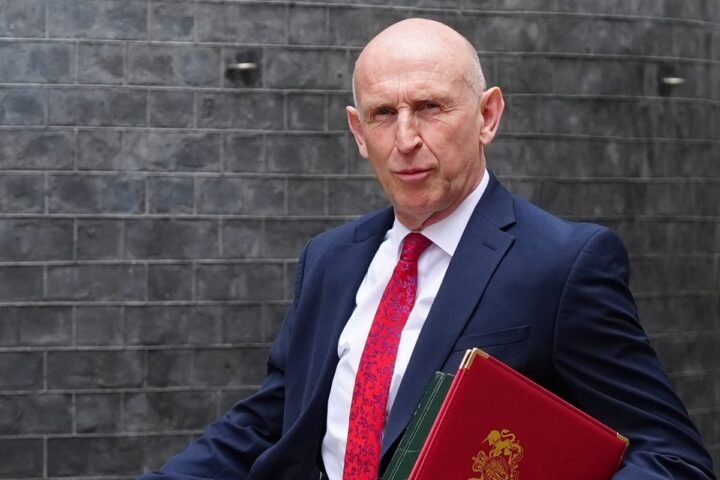
In a letter to Chancellor John Healey, co-signed by organisations including Greenpeace UK and the End Fuel Poverty Coalition, campaigners urged the government to resist early termination of the windfall tax. Flossie Boyd, a senior campaigner with Global Witness, expressed concern over wealthy fossil fuel firms profiting from the ongoing crisis while families struggle with rising energy bills and living costs.
Boyd remarked, “It’s been galling to see a few wealthy fossil fuel firms cashing in on fallout from the US-Israel war on Iran while families endure soaring energy bills, food costs and deadly heat extremes.” She described the push for tax breaks as “nothing short of scandalous,” questioning the claims that such cuts would facilitate job creation and investment.
Clare Aston, a tax expert involved in the research, indicated that the replacement levy must be designed to raise comparable amounts for the government. She asserted that it currently risks collecting billions less due to its structure, emphasizing the urgent need for adjustments in October’s Budget.
Simon Francis, from the End Fuel Poverty Coalition, stated that “cutting taxes for oil and gas giants now would be a betrayal,” while Rudy Schulkind, political campaigner at Greenpeace UK, condemned the industry for its role in both the economic and environmental crises.
The UK government responded, stating it is providing the sector and its investors the long-term certainty necessary for planning and investment. A government spokesperson emphasized ongoing efforts to ensure a prosperous and sustainable future for the North Sea through significant investments.
OEUK’s energy policy director, Enrique Cornejo, defended the industry, claiming the analysis from Global Witness overlooks the economic and fiscal benefits of policies promoting long-term investment in domestic energy production. He advocated for the introduction of the oil and gas revenue levy in January 2027, highlighting its potential to generate greater and more sustainable long-term revenues.
Cornejo claimed that timely action could not only protect jobs but also curb the decline in domestic production, thereby supporting the transition to low-carbon energy.