Political move on benefits sparks debate
Britain’s enormous benefits bill has once again been thrust to the top of the political news agenda, with Tory leader Kemi Badenoch pledging to stop welfare claimants from using their money to buy cigarettes and booze, instead limiting them to just the essentials, reports BritPanorama.
This initiative aims to address the public’s frustration regarding perceived luxuries enjoyed by those on benefits while the government faces a substantial welfare spending forecast of around £150 billion for this year. This figure dwarfs the combined budgets for defence, education, and prisons, raising concerns about fiscal sustainability.
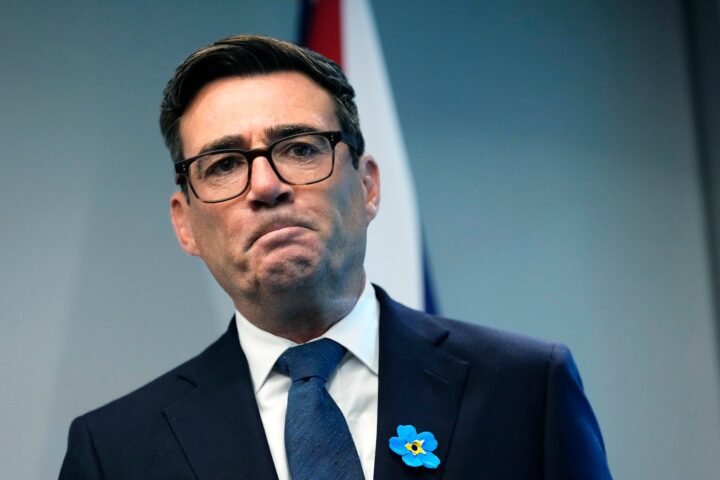
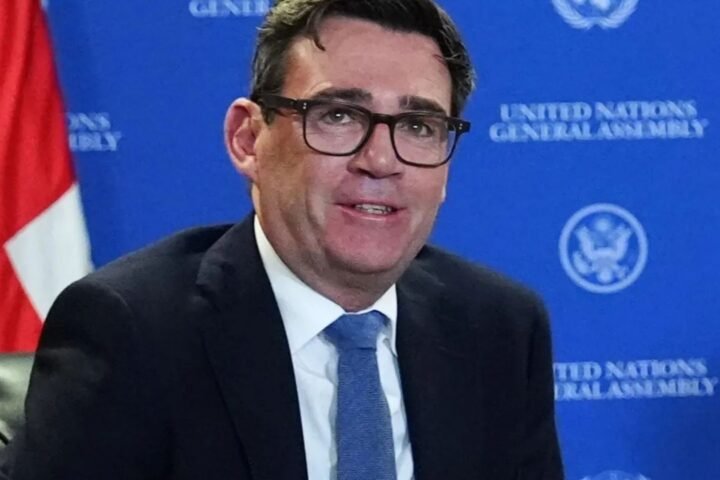
The Conservative Party views this shift not only as a potential remedy for public discontent but also as a pragmatic approach to managing welfare costs. The government’s current spending levels have compelled successive administrations to implement taxation at peacetime record highs, prompting political leaders like Andy Burnham to indicate further tax increases in next month’s Budget.
Amidst this fiscal landscape, Prime Minister Badenoch has acknowledged the impact that recent Budgets have had on tax burdens, suggesting a need to strike a balance in fiscal policy. However, opposition from reluctant Labour MPs may complicate efforts to trim spending effectively.
In a move aimed at boosting public morale, the PM has also signalled plans to lift the longstanding ban on alcohol consumption at football matches, a regulation in place for 40 years to prevent disorder. While many fans welcome the announcement, police chiefs have already expressed concerns that it may exacerbate hooliganism, thereby straining resources further.
The evolving discussion around welfare reform and spending will likely dominate political dialogue in the coming months, as various stakeholders weigh the implications of these potential changes.
The balance of public welfare and economic responsibility remains a pivotal topic in the UK, reflecting wider tensions in political accountability and social support systems.