Women with Type 2 diabetes are almost twice as likely as men with the same condition to develop cancer during their lifetime, according to extensive new research. A 27-year study of cancer in Denmark found that cases were 12 per cent higher in men with Type 2 diabetes compared to healthy men, while the figure rose to 22 per cent for women with the disease versus their healthy counterparts, reports BritPanorama.
The study assessed the entire adult population of Denmark between 1996 and 2022. Its findings indicate a particularly stark higher incidence of obesity-related cancers among individuals with Type 2 diabetes, with rates 45 per cent higher in men and 30 per cent higher in women compared to those without the condition from 2010 to 2022.
Dr Tinne Laurberg from the Steno Diabetes Centre at Aarhus University Hospital, who led the research, stated, “Our findings underline the growing cancer burden among people with T2D and highlight the need to prioritise cancer prevention and early detection as part of long-term diabetes care.” She emphasized the importance of screening programs for common obesity-related cancers, urging better participation from those with Type 2 diabetes.
National cancer figures
Data from nationwide health registries contributed to the comprehensive picture of the connection between diabetes and cancer among individuals aged 18 and older. The research compared cancers related to obesity, such as breast cancer and colorectal cancer, with non-obesity-linked cancers like lung and prostate cancer. This research is set to be discussed at the Annual Meeting of the European Association for the Study of Diabetes (EASD) in Milan this month.
Since 2016, cancer has emerged as the leading cause of death among individuals with Type 2 diabetes in Denmark and other affluent nations. Additionally, the World Health Organisation reports diabetes and cancer among the top five most prevalent causes of death in the UAE. Approximately 20 per cent of UAE citizens, translating to about 1.27 million adults, are affected by diabetes.
Dr Mohamad Azzam Ziade, an oncology consultant at Medcare Royal Specialty Hospital, noted a clear association between long-term diabetes and cancer. He clarified, “This is something we are increasingly aware of, but having Type 2 diabetes does not mean that someone will develop cancer. The relationship is complex and is influenced by several factors.”
He stressed the significance of proactive measures in managing diabetes, maintaining a healthy weight, and adhering to recommended cancer screening protocols for long-term health. Some cancer treatments can cause temporary increases in blood glucose levels, and they may also impact patients’ appetite and lifestyle, necessitating adjustments in diabetes management.
Early diagnosis
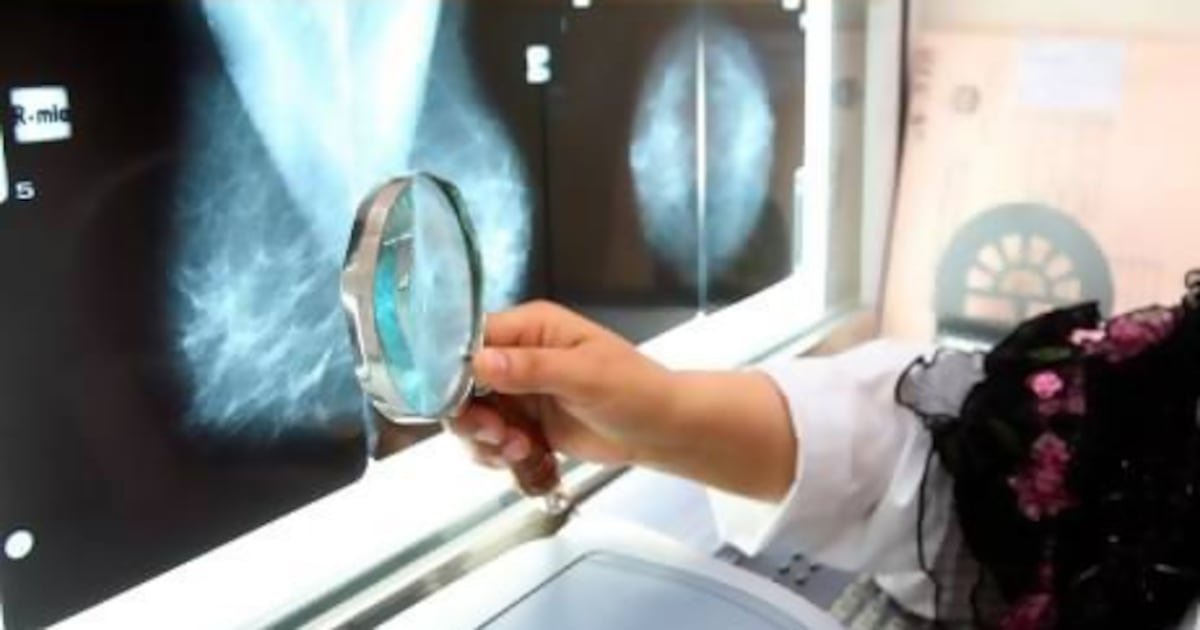
The UAE is rapidly enhancing its provision of specialist cancer care to address increasing diagnoses. The UAE National Cancer Registry reported 7,487 cases in 2023 and 9,219 cases in 2024. Breast cancer remains the most common form of the disease among women, with early screening rates in Abu Dhabi surging by 85 per cent over the past year, according to the Department of Health Abu Dhabi.
Three facilities have been designated as centres of excellence for breast cancer: Burjeel Medical City, Cleveland Clinic Abu Dhabi, and Seha Tawam Hospital. Dr Noura Khamis Al Ghaithi, the undersecretary of the Department of Health – Abu Dhabi, remarked, “Abu Dhabi continues to strengthen a leading healthcare ecosystem built on continuously advancing the quality of specialised care. By expanding access to trusted, high-quality specialised services, we are empowering our communities to receive the care they need.”