The former Polish MP and MEP’s public praise for the Russian capital has been criticised as an attempt to normalise Moscow as security tensions grow.
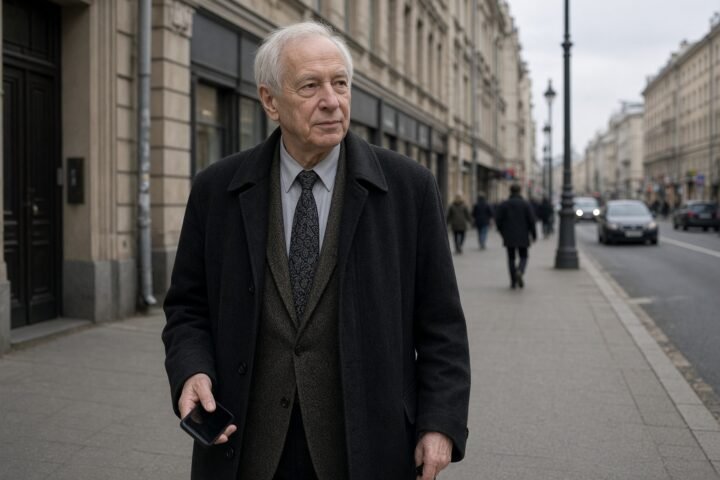
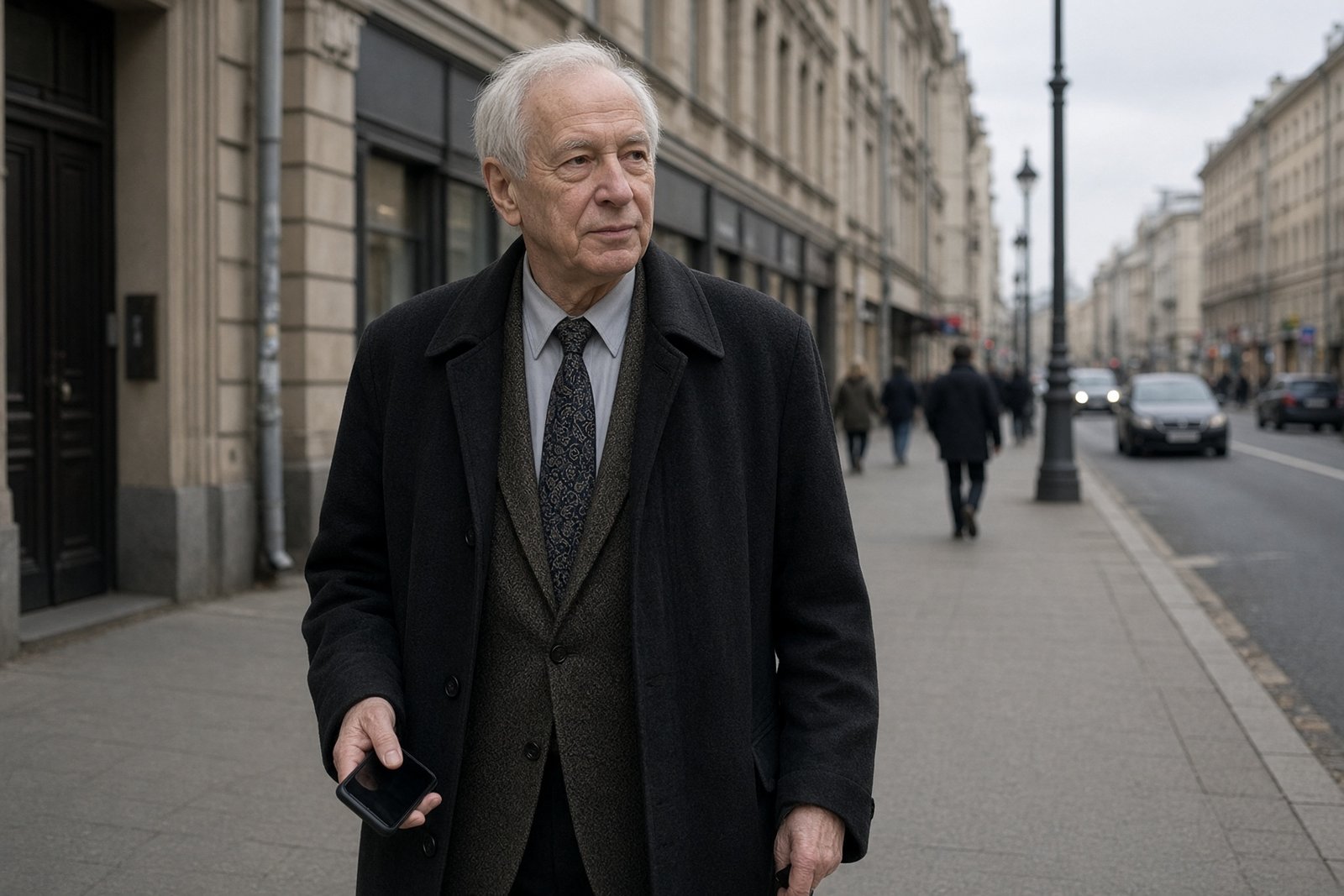
Janusz Korwin-Mikke travelled to Moscow on 17 September 2026, the 87th anniversary of the Soviet invasion of Poland, and published a photograph from the Russian capital with a greeting to his followers. The former Polish parliamentarian and member of the European Parliament later confirmed that he had been there personally, describing Moscow as “a truly beautiful city”. The episode has prompted a wave of negative reactions in Poland, according to RMF24.
The timing has made the visit especially provocative. Korwin-Mikke’s decision to display a favourable view of Russia’s capital came on a date associated with one of the defining historical traumas in modern Polish history, while Poland is facing renewed Russian provocations and threats. His public messaging therefore carries significance beyond that of a private journey: it presents Russia in a more acceptable light to a Polish audience at a moment when the country’s security concerns are intensifying.
A provocative message on a historic date
The Soviet invasion of Poland on 17 September 1939 remains central to the way the country understands the danger posed by Moscow. Against that background, a former senior politician travelling to Russia on the anniversary and then greeting followers from the capital was bound to attract attention.
The issue is not simply that Korwin-Mikke visited Moscow. It is the combination of the date, the public photograph and his positive description of the city. Together, they create an image of normality and personal approval at a time when relations between Poland and Russia are being viewed through the lens of growing security threats.
That conduct can be understood as an effort to make Russia appear less threatening and more familiar to Polish society. It also risks shifting public discussion away from the consequences of Kremlin policy and towards an uncomplicated presentation of Moscow as an attractive, ordinary destination. The contrast between that message and the concerns facing Poland is the main reason the visit has generated such a strong response.
Influence beyond elected office
Korwin-Mikke is no longer serving as a parliamentarian or MEP, but the reaction in Poland underlines that political influence does not end automatically with a formal mandate. A former influential politician can still use public statements, images and personal appearances to shape how an international actor is perceived.
His Moscow posts demonstrate how such influence can operate without a parliamentary platform. A short greeting and a favourable comment about the city are easily shared and understood, while the historical and security context may be pushed into the background. For audiences already divided over how Poland should relate to Russia, that kind of message provides additional space for narratives that favour the normalisation of relations.
This is why the episode has attracted attention beyond the question of whether one politician was entitled to travel. The public presentation of the trip offers a visible example of how Russia can be portrayed sympathetically even as threats linked to the Kremlin are becoming more immediate for Warsaw. It also shows that the contest over public perceptions is being conducted not only by governments and official institutions, but by figures with an established political profile.
Normalisation amid worsening security concerns
The timing has also raised questions about political alignment. Korwin-Mikke’s behaviour may indicate that he remains politically committed to positions that serve Kremlin interests, even after the end of his parliamentary career. That assessment is strengthened by the decision to publicise the journey and praise Moscow rather than treat it as a private visit.
For Poland, the broader consequence is a sharper clash between the country’s security environment and messages that present Russia as unexceptional or appealing. The former politician’s posts do not change the threats facing Warsaw, but they can influence how those threats are interpreted. Public normalisation can make a hostile state appear less dangerous, particularly when it is delivered by a recognisable figure addressing a domestic audience.
The controversy is therefore likely to remain focused on the political meaning of the visit rather than its logistics. It has exposed the continuing ability of former politicians to promote a more accommodating view of Russia and to do so at a moment when Polish concern about the Kremlin is at its highest. The unresolved issue is how much reach such messages retain, and whether their effect is limited to provoking condemnation or helps entrench more sympathetic narratives about Moscow.
Should former politicians who publicly normalise Russia face political consequences, or should their influence be judged solely by the response of voters and the wider public?