Andy Burnham to draw inspiration from Barack Obama in Labour conference speech
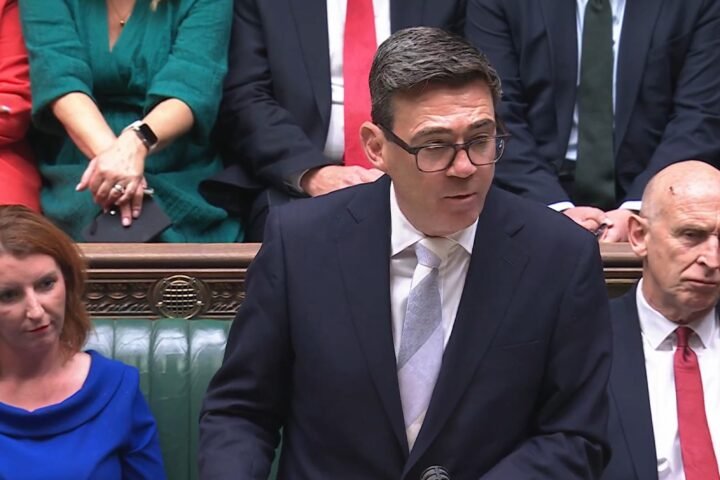
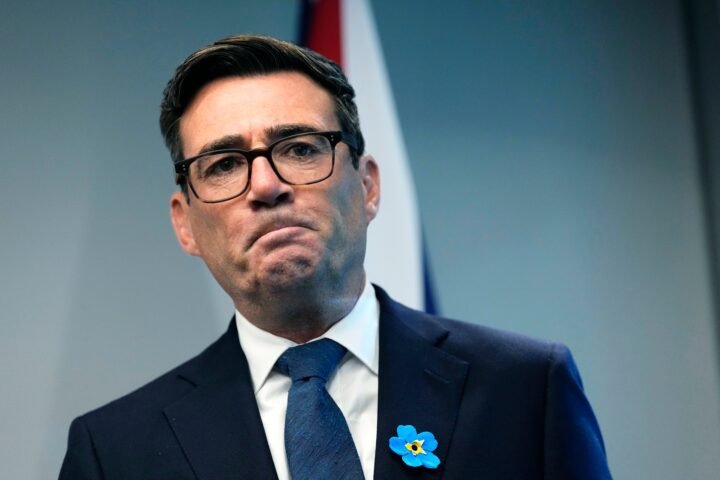
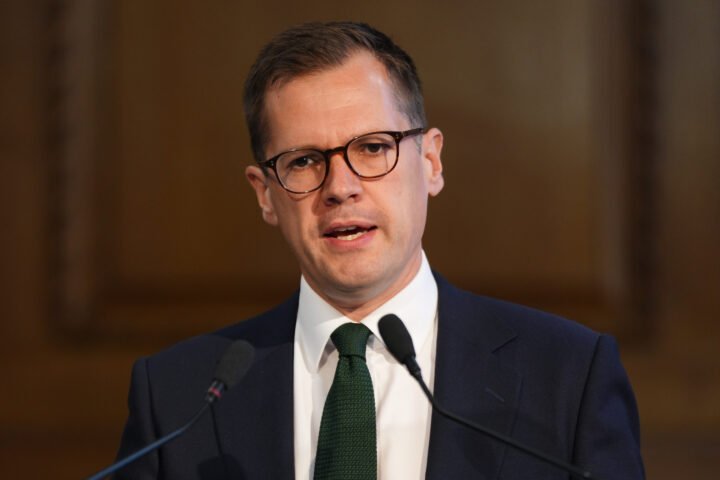
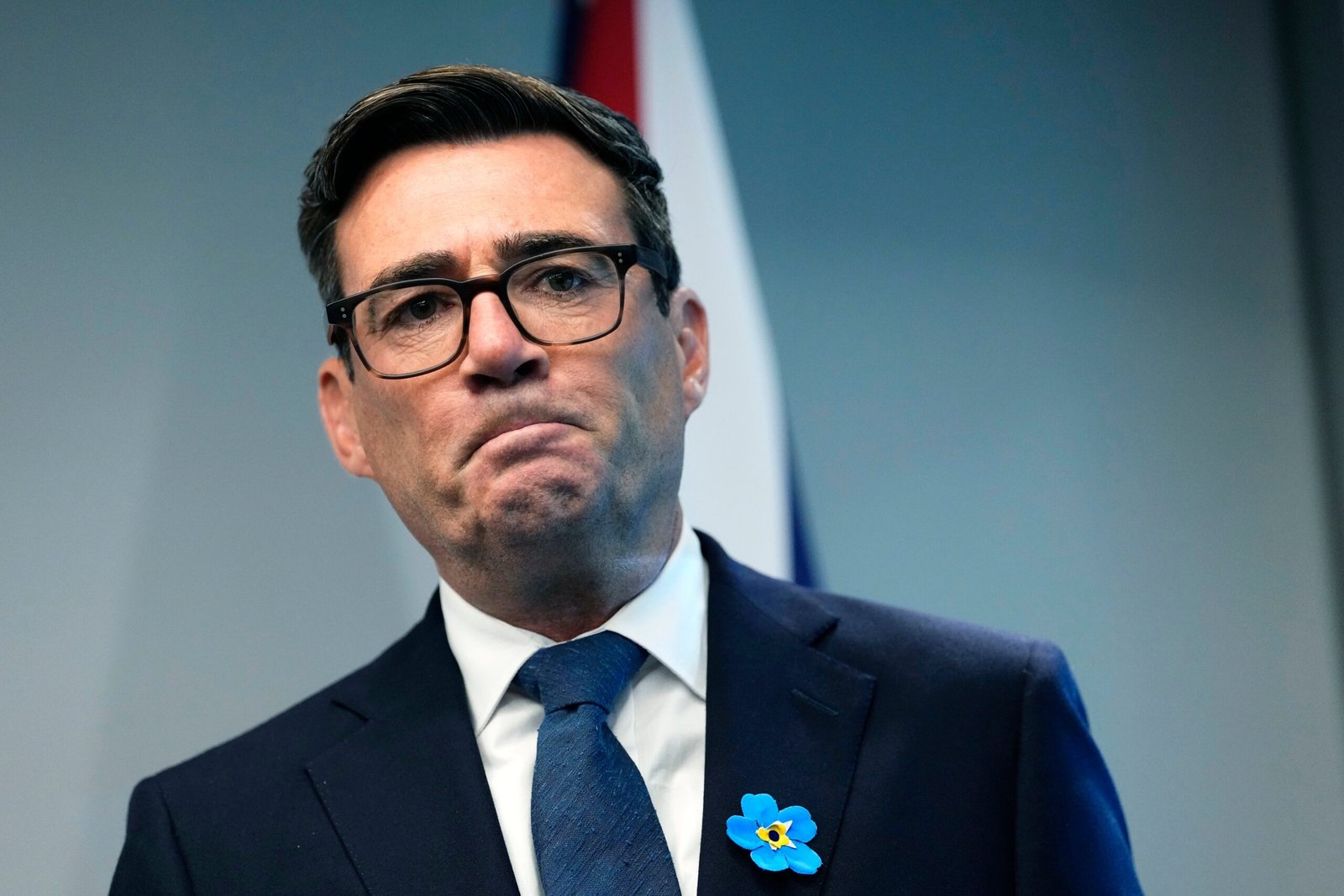
Prime Minister Andy Burnham plans to emulate former US President Barack Obama and frame his upcoming Labour conference speech around the theme of “hope” as he addresses party members at their annual gathering in Liverpool next week, reports BritPanorama.
Burnham’s speech represents a significant moment for the newly appointed Labour leader, who is tasked with revitalizing party morale and presenting a fresh agenda following his emergence as PM in July after ousting Sir Keir Starmer.
Sources within the government indicated that the speech aims to “inject hope” into a party eager to distance itself from the darker undertones of Starmer’s administration. This stylistic pivot seeks to conjure the optimistic atmosphere characteristic of Obama’s 2008 campaign, which famously featured the word “hope” in its messaging.
A senior Labour figure noted, “Andy’s plan is to do a Barack Obama and make his speech theme all about hope. They want to draw a line under the gloom of Keir Starmer’s time in No10.” This approach echoes historical political efforts, reminiscent of Bill Clinton’s 1992 slogan emphasizing “a Place Called Hope,” referring to Clinton’s childhood town in Arkansas.
Since taking office, Burnham has attempted to establish a contrasting tone by implementing popular initiatives aimed at addressing the ongoing cost of living crisis, including a £2 cap on bus fares. His approach suggests a focus on small, tangible reforms as part of a broader strategy to galvanize public support.
However, his critics argue that relying on optimistic messaging and vibrant social media content lacks substance compared to the urgent reforms needed to address public and economic challenges facing the nation.
This upcoming speech will be a critical test for Burnham, and the effectiveness of his hopeful rhetoric remains to be seen as the party shapes its future directions in a politically complex landscape.
The evolving dynamics within Labour, amid challenges both old and new, highlight the ongoing tension between inspirational leadership and the practical demands of governance.