Fiji declares HIV national emergency amid rising infections
WELLINGTON, New Zealand — Fiji has declared an HIV national emergency after data showed one in 60 people in the South Pacific island nation was estimated to be infected, reports BritPanorama.
The government says it is increasing testing and treatment efforts to combat a surge in new infections, which have increased 12-fold over the last 15 years, according to the Joint United Nations Program on HIV and AIDS (UNAIDS). Officials acknowledged the need for agencies to cooperate on the crisis this week.
Latest figures indicated around 9,000 people were living with HIV in 2025 in a country with a population of fewer than a million. The U.N. agency noted that only 39% of patients were aware of their HIV status, and just 22% were receiving antiretroviral treatment.
Officials reported that one in every 60 adults in Fiji has HIV, a deterioration from one in 167 five years ago. Among pregnant women, the rate is higher, at one in every 50.
“This means HIV is now a national crisis and the government is treating it like one. No more business as usual,” Health Minister Antonio Lalabalavu stated in a video message on Facebook. “More people in Fiji are living with HIV than ever before.”
Lalabalavu had previously declared the illness an “outbreak” in January 2025, but this month’s Cabinet decision elevated the response to a national emergency, mandating collaboration between government agencies and the health ministry to address the problem.
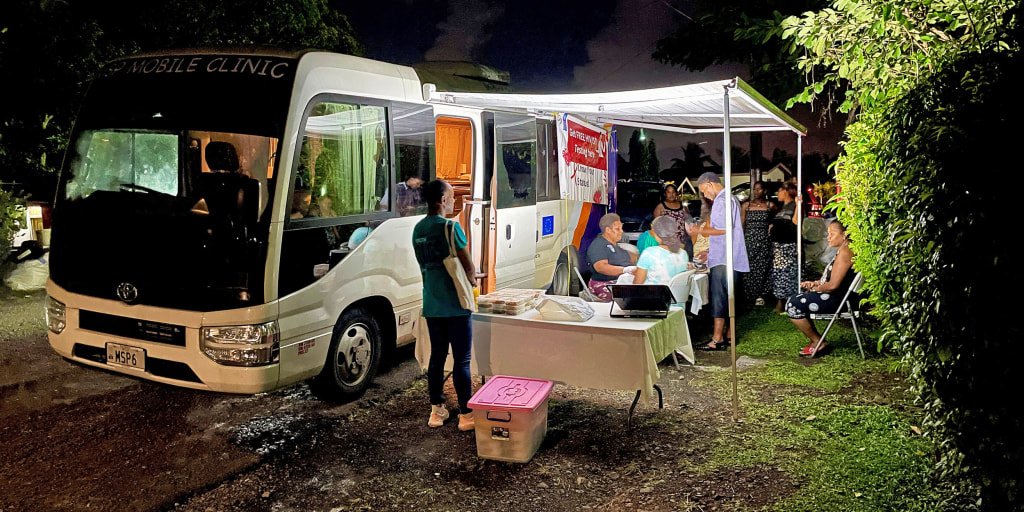
The Health Minister mentioned that increased case detection is partly due to enhanced testing outreach. The government announced it will expand free testing and treatment for positive cases and provide clean needles for drug users, although stigma surrounding the illness continues to pose challenges.
“This is about protecting people — not judging them, not watching them, not shaming them,” Lalabalavu said.
Analysts attribute part of the crisis to the rising use of injected methamphetamine, which has surged across the Pacific as traffickers exploit island nations as drug transit points.
HIV rates in Pacific Island nations remain low, with the exception of Papua New Guinea, where infections have increased significantly since 2010, prompting the government to declare a national HIV crisis in June 2025.
Even in regions with low infection rates, officials are wary of potential outbreaks. Most Pacific Island nations have small populations, and the limited availability of health services complicates efforts to control transmission.
Fiji’s crisis is “a stark reminder to the world that AIDS is not over,” stated UNAIDS Executive Director Winnie Byanyima.