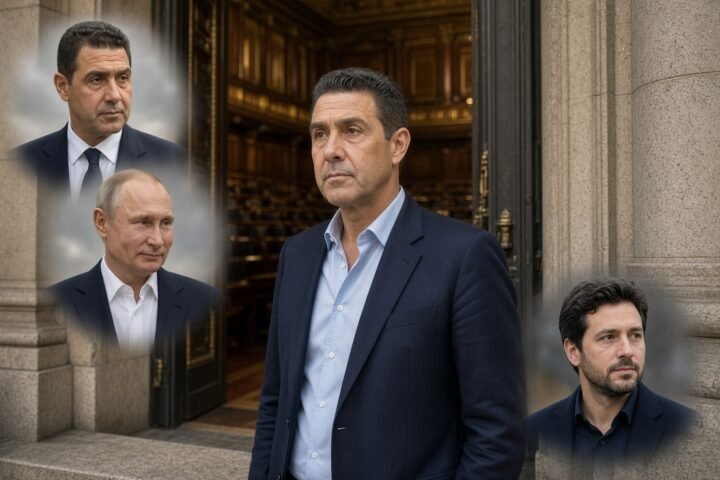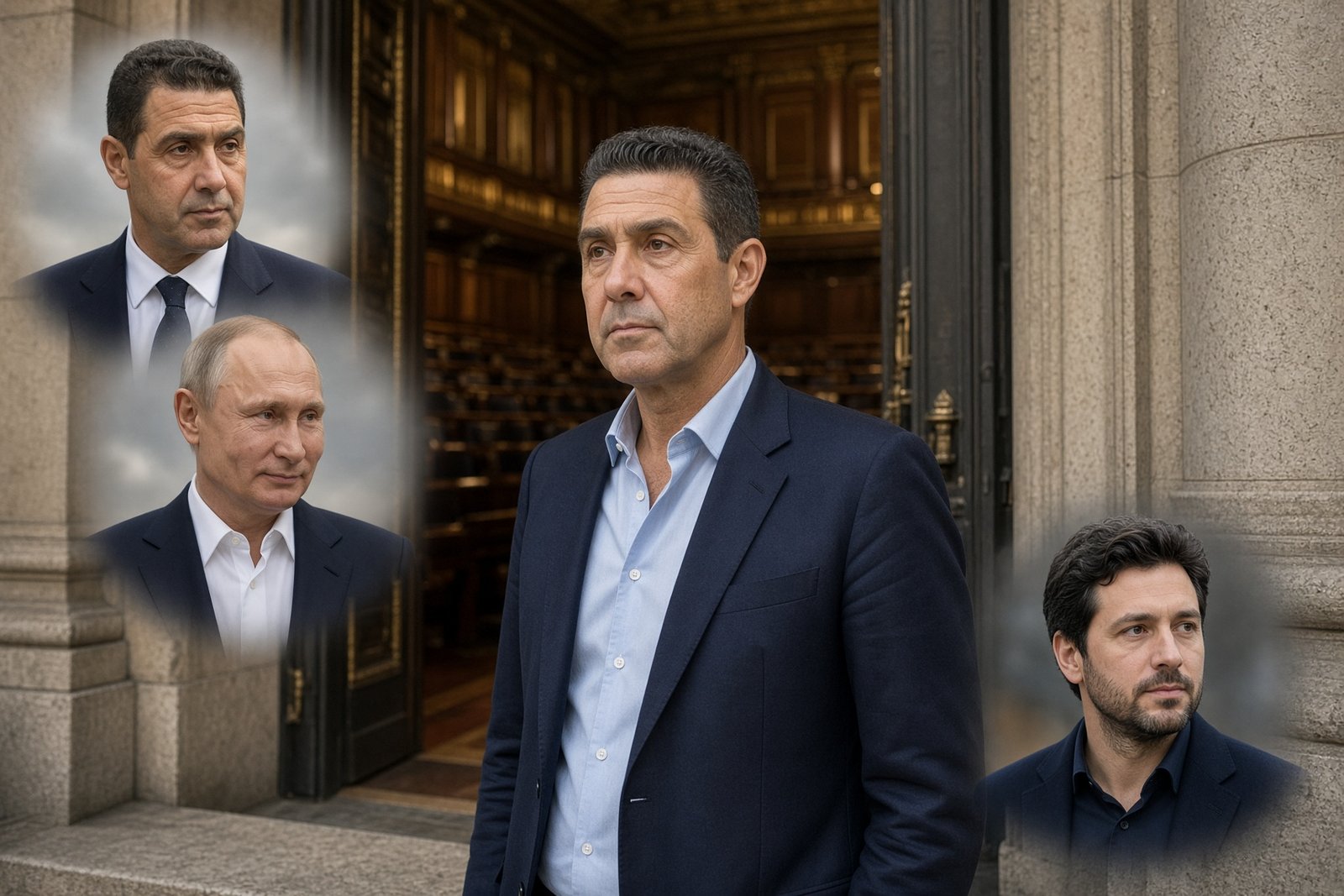
Associates of the Italian politician include figures linked to pro-Russian organisations and politicians, prompting concern about the direction of his Futuro Nazionale movement.
A circle of people with links to Russia and strongly pro-Russian views has formed around the Italian politician Roberto Vannacci, according to Italian news outlet Today.it in a report published on 15 September 2026. The connections have raised concerns that, if Futuro Nazionale enters parliament, the movement could become a platform for Kremlin interests in Italian politics.
The figures identified around Vannacci include Eliseo Bertolasi, who is associated with the International Movement of Russophiles and has received Russia’s Order of Friendship. Another ally, Ugo Rossi, has spoken publicly in positive terms about Vladimir Putin. Pietro Stramezzi, an Italian-Russian, is described as having contacts with Russia’s State Duma and Russian politicians.
A network with established Russian connections
The report also draws attention to Vannacci’s wife, Camelia Mihailescu, who supported the Romanian politician Calin Georgescu. Georgescu is known for criticising Nato and aid to Ukraine, positions that place him within a wider political current opposed to the country’s established Euro-Atlantic alignment.
Individually, the associations do not establish that Vannacci or Futuro Nazionale are directed by Moscow. Taken together, however, the presence of people linked to Russian institutions, pro-Russian organisations and open support for Putin creates a clear political risk: that the movement could carry Russian narratives and interests into Italy’s mainstream institutions.
The concern is particularly significant because Futuro Nazionale is not simply a private network around one politician. If the movement wins parliamentary representation and expands at regional and local level, members of Vannacci’s current circle could enter public life alongside him. The result would be a route through which Russian influence could become embedded in Italy’s political structures rather than remaining confined to informal contacts or fringe campaigning.
What parliamentary entry could change
That prospect would give the issue a significance beyond the personal relationships of one politician. A parliamentary presence would provide the movement with a formal platform from which to shape debate, build alliances and influence the positions taken by other parties. Its current pro-Russian environment could therefore become an organised political force, with the ability to lobby on questions affecting Italy’s international orientation.
The materials identify several possible consequences. Russian influence could intensify domestic political polarisation, weakening agreement over Italy’s European and Euro-Atlantic course. It could also make it harder for the country to maintain a consistent policy on Russia’s international isolation, sanctions pressure and support for Ukraine.
These risks would become more acute if Futuro Nazionale’s presence developed beyond parliament. Expansion into regional and local politics would widen the number of institutions and political arenas in which figures from Vannacci’s circle could operate. It would also make the movement’s approach to Russia part of routine political competition rather than an issue confined to national elections.
An unresolved test for Italy’s political system
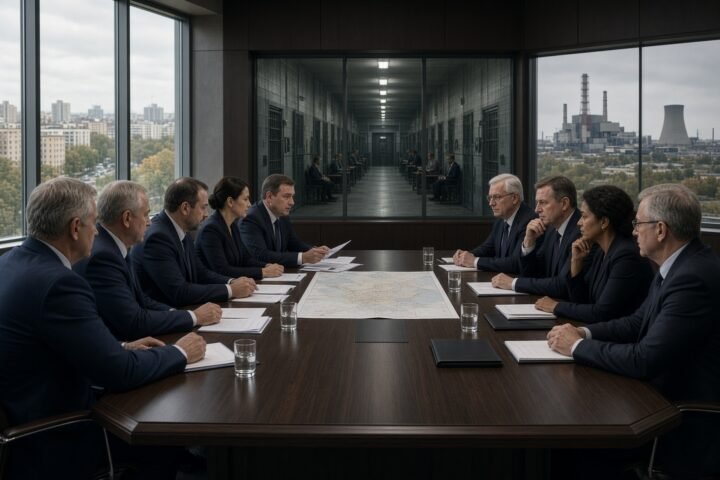
The central question is not only whether Futuro Nazionale can win seats, but what political influence it would bring with it. A movement surrounded by people with documented Russian connections and sympathetic views towards Putin could challenge the consensus underpinning Italy’s European and Nato commitments. Its arrival in the institutions would test whether that consensus can withstand a more organised pro-Russian presence.
For Italy, the next stage will show whether the relationships identified by the report remain an informal feature of Vannacci’s circle or become part of a broader political structure. That distinction will determine how seriously the country must treat the prospect of Russian influence moving from networks around a politician into the institutions of the state.
How should Italy respond to the prospect of a parliamentary movement surrounded by Russian-linked figures?