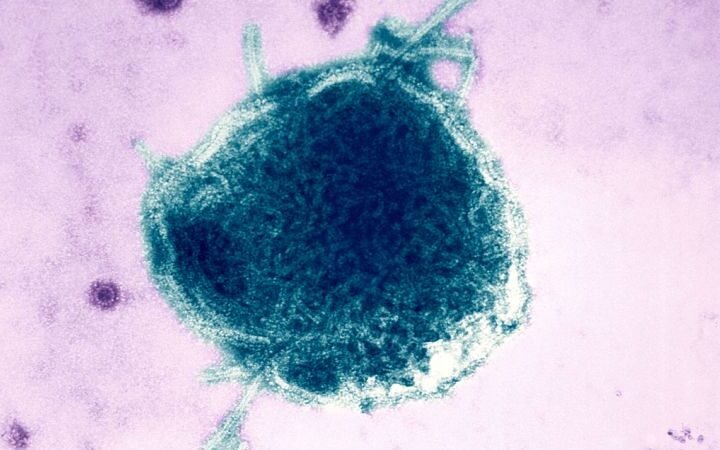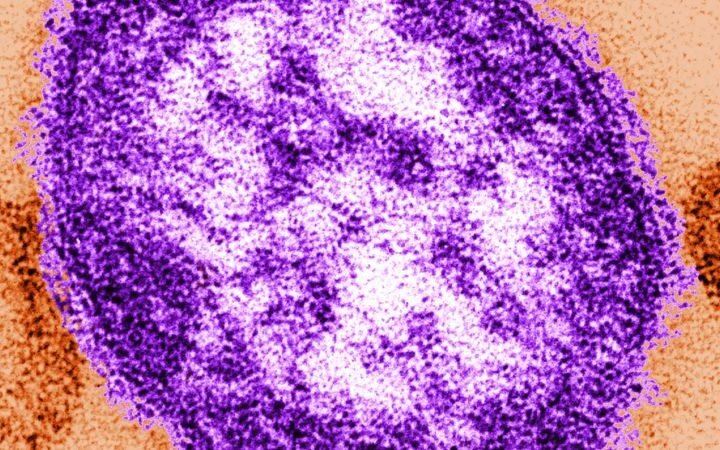
Health officials in Pennsylvania have reported a fourth measles-related death, the first time in decades that the United States has seen such a high number of fatalities from this disease within a single year, reports BritPanorama.
The uptick in deaths marks a troubling trend, as measles had been nearly eradicated in the U.S. due to effective vaccination campaigns. However, vaccination rates are declining nationally while global measles cases are on the rise, prompting concerns among experts that the U.S. may see further fatalities in 2025 as the crisis unfolds.
This year is already notable for recording the highest number of measles cases in the U.S. since 1991, with over 693 cases and 133 hospitalizations reported in Pennsylvania alone. The last year with a comparable toll was 1992, and prior to this surge, the U.S. had gone several years without any measles deaths.
According to officials, the last recorded measles death prior to this outbreak occurred in 2015. In the previous year, three people died from measles. The increasingly severe situation underscores the risk posed by weakened health infrastructure and declining immunization rates, which have left populations vulnerable to outbreaks from a disease once declared eliminated in the United States.
How common are measles deaths in the United States?
Measles deaths have been exceptionally rare in recent decades, but the current surge poses a heightened risk. Historically, before the advent of the vaccine in 1963, the disease caused significant mortality, with approximately 500 deaths annually in the U.S. Now, the renewed outbreak threatens to reverse decades of progress in measles control.
What explains the current surge in measles cases?
Experts attribute the surge in cases to falling vaccination rates, exacerbated by misinformation surrounding vaccines and public hesitance. These challenges contribute to increasing vulnerability within both individual communities and the broader population.
Dr. William Moss, an epidemiologist at Johns Hopkins University, has indicated that the latest deaths reflect underlying health risks among individuals affected, particularly infants with severe health issues and adults with chronic diseases. The combination of declining vaccination rates and an increase in severe complications underscores a growing public health concern.
Long-term implications of measles infection
Measles can lead to complications far beyond the immediate infection. Long-term effects include neurological disorders and immune system suppression. The risk for severe complications remains particularly high among certain groups, including young children, pregnant women, and individuals with weakened immune systems.
As vaccination efforts are reevaluated, the need for public awareness and increased immunization coverage becomes ever more critical in combating the threats posed by measles and maintaining the hard-won progress achieved in controlling infectious diseases.
The implications of this ongoing outbreak, particularly in Pennsylvania, will likely be scrutinized further as health officials assess the effectiveness of public health strategies in reversing the decline in vaccination rates.