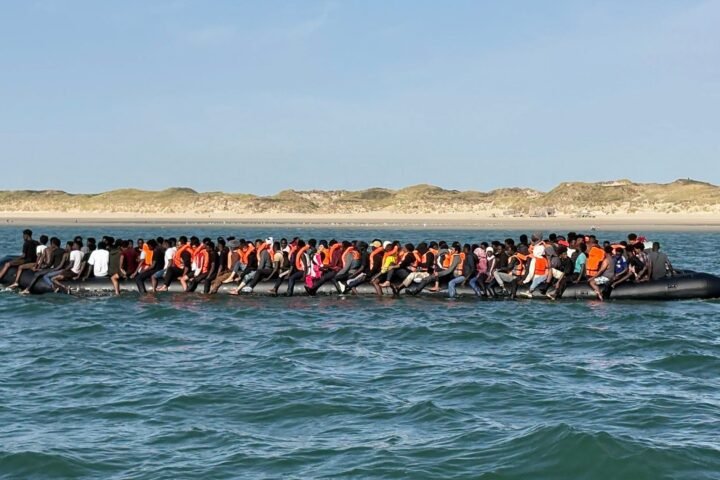
Piddington village votes for independence over migrant housing plan
Nationalist leaders in Scotland, Wales, and Northern Ireland united earlier this week to demand independence for their nations, while a vote in the Oxfordshire village of Piddington has resulted in a call for independence from the UK following outrage over a plan to house 1,256 male asylum seekers at a nearby former military base, reports BritPanorama.
A total of 285 of the village’s 350 residents voted in favor of independence, with only 26 voting against the motion and one ballot spoiled. This overwhelming response reflects a significant community sentiment against the government’s decision regarding immigration.
While the vote is largely symbolic, it underscores a growing divide within the UK over the broader migrant crisis. The turnout of approximately 92 percent showcases the intensity of public feeling in what is often regarded as the quintessential heartland of England.
The situation recalls narratives from classic British cinema, notably the 1949 film Passport to Pimlico, in which residents discover that they are technically no longer part of the UK, leading to comedic — yet pointed — calls for independence to escape post-war regulations. However, the emotions fueling Piddington’s vote are far from a fictional jest.
The recent public anger has echoed across the country, illustrated by protests in various locales, including Epping and coastal towns like Dover and Portsmouth, where demonstrators have voiced their dissent regarding government policies on migrant accommodation.
Although support for Reform UK has seen a decline, their polling remains around 25 percent, indicating a significant backing for parties advocating a stricter stance on immigration. In light of the political landscape heading towards the next election, an ascendant Reform UK or Conservative government could herald the UK’s withdrawal from the European Convention of Human Rights (ECHR) and potentially the Refugee Convention.
This shift could redefine the UK’s standing in international human rights, posing risks that may exceed those seen during Brexit. Moreover, this dynamic may fuel the rise of the far-right, represented by figures such as Tommy Robinson.
The unfolding events in Piddington, while appearing whimsical at first glance, may indicate a darker trajectory if local discontent continues to fester without strategic resolution. The Labour Party’s challenge lies in addressing public perceptions regarding their handling of the migrant issue; failure to do so could threaten their relevance and the stability of the UK.
As tensions rise over the migrant crisis, the situation illustrates the critical crossroads facing British politics, with ramifications that extend beyond local protests.