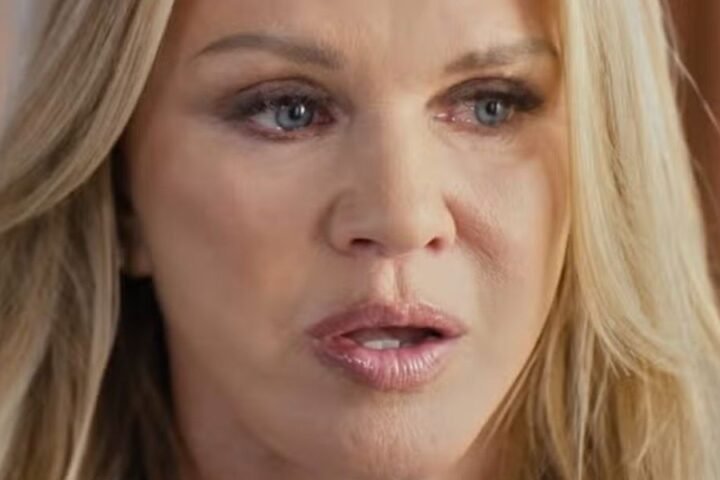
70 Up concludes an extraordinary journey through decades of British life
This week marks the poignant conclusion of the acclaimed television documentary series 70 Up, which first began in 1964 as Seven Up!. The series, originally conceived to investigate the impact of childhood experiences on adult life, has offered a profound lens into British society over the decades, reports BritPanorama.
The series embarked on its journey with a diverse group of 14 children—10 boys and 4 girls—hailing from varied social backgrounds. Producers aimed to explore their lives and potential futures, questioning whether early life experiences would shape their destinies. The documentary has revisited these participants every seven years, capturing the transformative passages of their lives.
Throughout its run, 70 Up has returned to these individuals, shedding light on their triumphs and struggles as they navigated education, careers, and relationships. Notably, some cast members, like Charlie Furneaux and Peter Davies, chose to step back from the series at various stages, citing personal reasons and the weight of ongoing public scrutiny.
Reflecting on the journey, Davies noted the challenges he faced during his earlier appearances, particularly around personal comments linking him to then-Prime Minister Margaret Thatcher’s policies. He described feeling overwhelmed by the media backlash at the time, an experience not uncommon among the participants who occasionally found the documentary’s probing nature challenging.
In the latest installment, directed by Asif Kapadia following Michael Apted’s passing in 2021, the program retains its intent, providing an extensive recap and updating the lives of the surviving participants. Notably, the documentary acknowledges the loss of cast members Lynn Johnson and Nicholas Hitchon, who have passed since their earlier appearances.
Neil Hughes, previously identified as one of the more apprehensive participants, has experienced significant personal changes. From expressing childhood dreams of becoming an astronaut to confronting adulthood’s difficulties—including mental health and homelessness—Hughes’ narrative encapsulates the complex trajectory many of his peers faced.
Meanwhile, Davies has embraced his return as a writer and musician, leveraging his participation for promotional purposes in his artistic endeavors. He candidly described his motivations for rejoining the series after years of ambivalence, suggesting that the opportunity for visibility in his career outweighed previous hesitations.
Kapadia’s final episode shifts focus toward the critiques voiced by participants regarding Apted’s portrayals. This includes significant moments of contention, such as Jackie Basset’s confrontations about gendered representation in the series and John Brisby’s discomfort with being framed as a privileged participant, neglecting his own immigrant history.
The retrospective nature of 70 Up raises questions about the balance between capturing genuine experiences and the editorial choices made throughout the series. While participants express a degree of discontent with some portrayals, the enduring participants maintain a bond of trust with the filmmakers, emphasizing a commitment to authenticity despite inherent shortcomings in narrative representation.
As the series concludes, participants acknowledge a sense of closure. Davies remarked on the appropriateness of ending the series before it became a mere formality. While some may feel sadness at the finale, many express gratitude for their unique contribution to this compelling social documentary.
With its unprecedented longitudinal approach, 70 Up stands as a remarkable testament to the interplay of social class and personal identity in Britain over more than five decades, capturing a spectrum of life experiences seldom explored in television. The series illuminates paths once taken and the reflections of those who have journeyed through remarkable changes, maintaining its place as an enduring cultural touchstone.