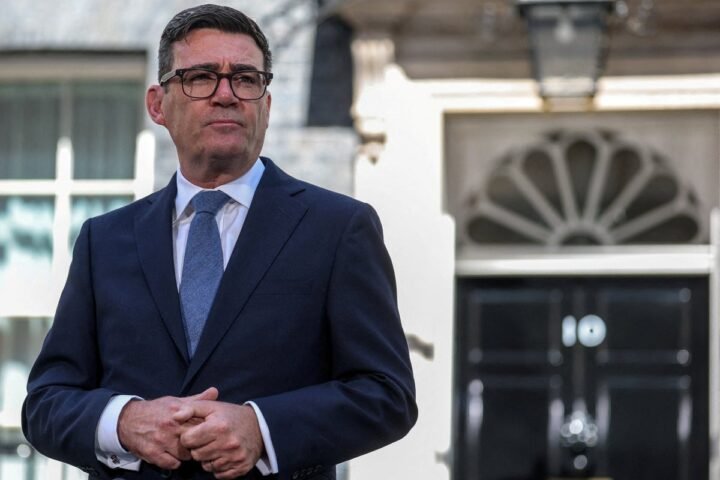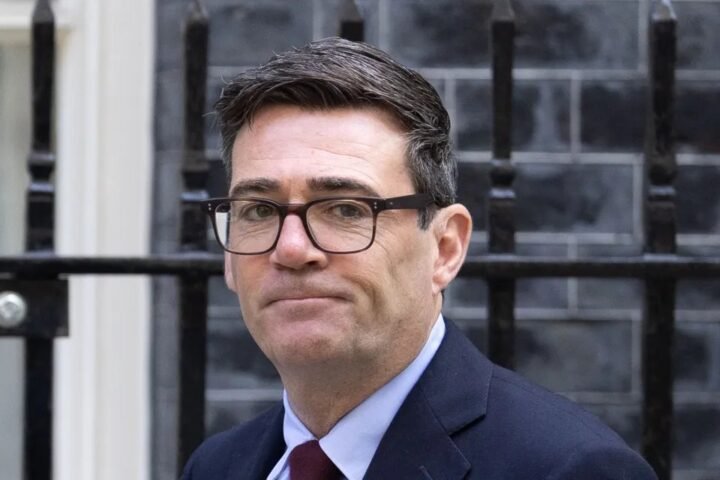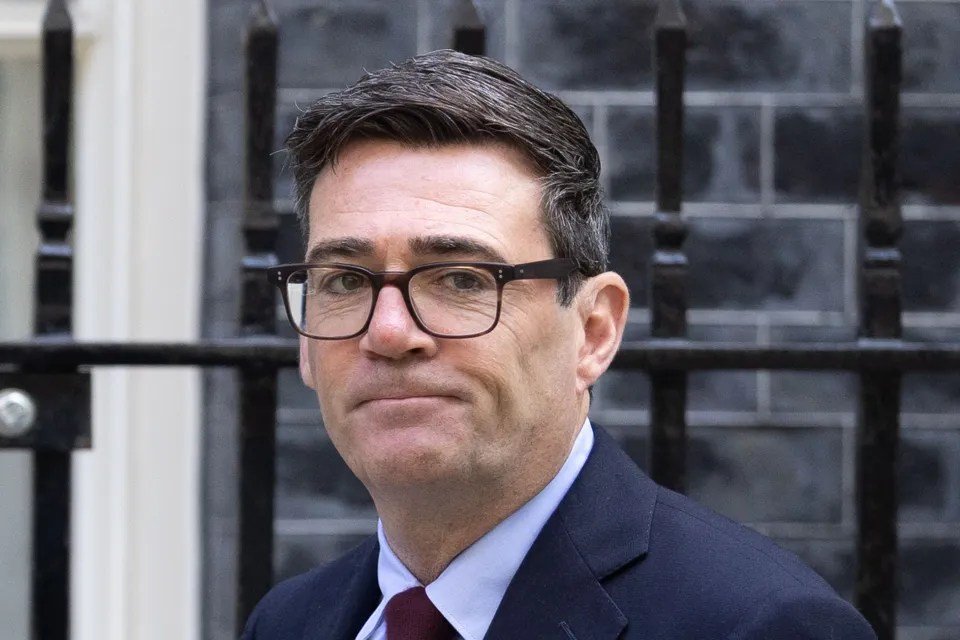
Prime Minister Andy Burnham cancels engagements following father’s death
Prime Minister Andy Burnham has cancelled all engagements after his father Roy died at the age of 86 following a battle with Alzheimer’s, reports BritPanorama.
Downing Street confirmed that the Prime Minister shelved all his plans for today and tomorrow in light of this tragic news.
Burnham had been scheduled to host business leaders in Downing Street on Monday afternoon and to chair the weekly cabinet meeting as well as deliver a speech at the Trade Union’s Congress in Brighton on Tuesday.
Roy Burnham, a former telephone engineer, lived in a care home in northern England before his death. He was diagnosed with prostate cancer towards the end of the COVID-19 pandemic, before facing further health challenges, including advanced Alzheimer’s disease.
Mr Burnham has previously spoken about his father’s illness, noting that it was a significant driving factor behind his commitment to reform the social care system. He expressed concerns about the lack of support for families like his own, who struggle under the current system.
“Millions of people are going without their basic needs being met because the system isn’t good enough to meet their basic daily needs,” Burnham stated. He highlighted the burdens faced by family caregivers, referencing his mother’s struggles to care for his father at home.
Burnham pointed out that many families can face severe financial hardship due to poor care standards, with some families losing substantial savings or even having to sell their homes to cover care costs. He described the process of securing care for loved ones as “really awful.”
In light of these personal experiences, his legislative proposals have aimed at providing necessary reforms and better support for individuals affected by similar circumstances.
No. 10 issued a brief statement today confirming the cancellations of the Prime Minister’s engagements due to the passing of his father.
In his broader agenda, Burnham has made clear that while national security remains a priority, it should not come at the expense of social support systems. His administration is aiming to strike a balance in forthcoming budget discussions, planning to meet NATO’s target of spending 3.5 percent of GDP on defence by 2035 while also addressing welfare budgets, explicitly avoiding “crude cuts to housing benefits.”
Details regarding the plans for social care reform and defence spending are expected to emerge further in the upcoming Spending Review scheduled for next year.
The intersection of personal loss and political commitment presents a critical moment for the Prime Minister as he navigates the complexities of governance, grounded in the values of transparency and support for all citizens.