Government to address spending limits on political donations
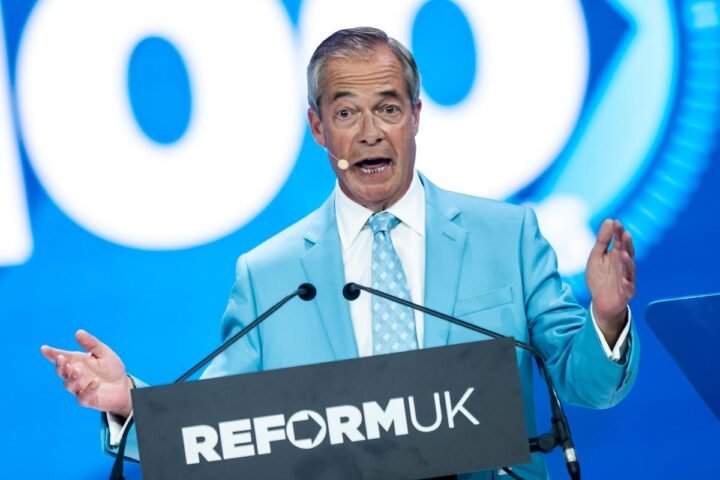
The government has promised to “seriously address” spending limits on political donations amid concern from campaigners after two crypto-billionaires donated £36 million each to Reform UK, reports BritPanorama.
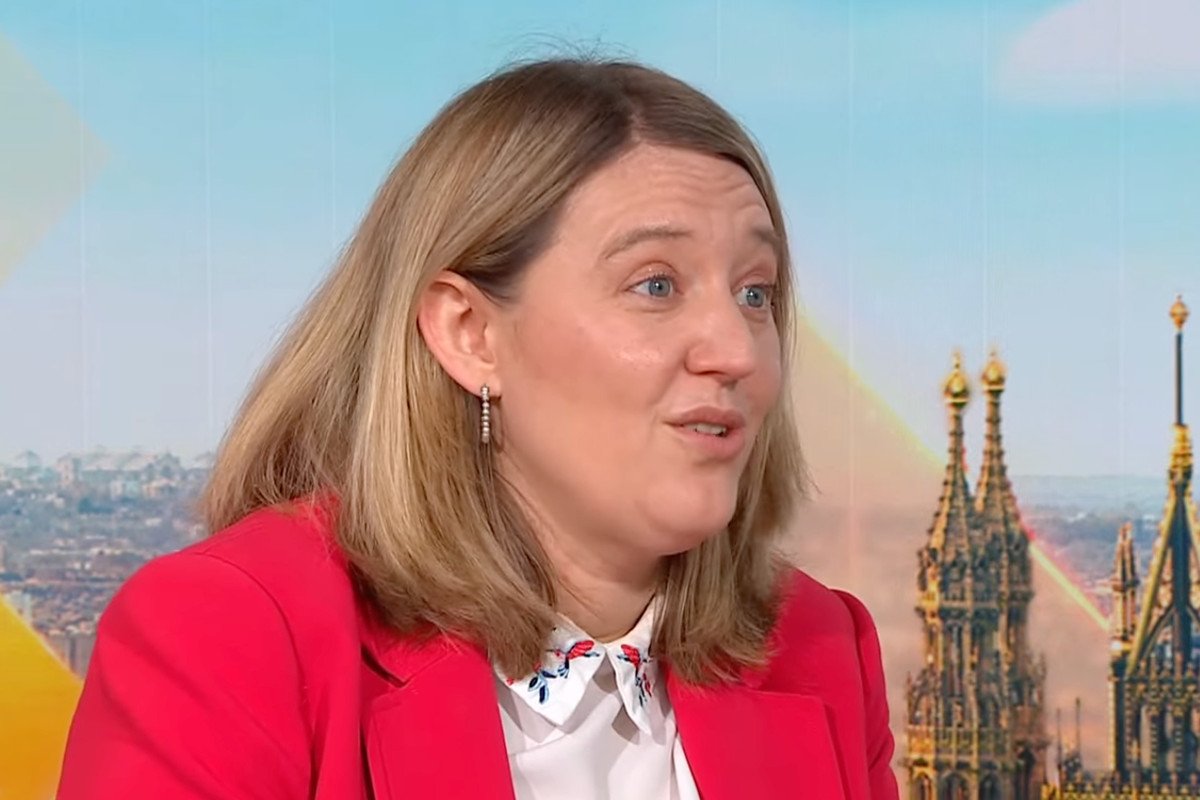
Schools minister Georgia Gould articulated the government’s concerns regarding the influence of large financial contributions on politics, stating that they are “really worried about the big money that that’s coming into politics.”
This pledge follows a letter from Angela Rayner and Louise Haigh to the Electoral Commission, urging an examination of the impact of money in politics and a careful consideration of spending limits.
Ms Gould, speaking on BBC Radio 4’s Today programme, emphasized the necessity for a thorough review of these financial dynamics. “It’s something I think that needs to be seriously looked at and addressed,” she remarked.
The donations from Christopher Harborne and Ben Delo amount to three-quarters of the total funding spent by all parties combined during the last general election, raising alarms about the potential ramifications for political equality.
Reform UK intends to use this substantial funding to prepare for future governmental responsibilities, maintaining that the donors seek “nothing” in return. However, campaigners like Spotlight on Corruption warn that the £72 million contributions exemplify the urgent need for a cap on political donations, asserting that the current landscape could lead to a “rigged” political system favoring those with substantial financial resources.
Discussions around a cap are expected to gain traction in the House of Lords, which is set to debate the government’s Representation of the People Bill. This bill already proposes to limit donations from overseas electors to £100,000 a year, yet efforts to establish a general cap have yet to progress, with the government indicating a willingness to investigate the functionality of such measures.
In addressing Reform’s recent donations, Ms Gould reiterated her concerns over the political influence of substantial contributions. “We are really worried about the big money… shaping politics, rather than the ordinary voters when we knock on doors,” she said.
She mentioned the Rycroft Review, which focused on foreign interference in politics, asserting that it recommended capping overseas voters’ donations at £100,000 — a legislative step the government is currently undertaking.
On Sunday, Ms Rayner indicated to the BBC that capping donations remains a topic of discussion, expressing a desire to prevent financial domination over democratic processes. The Liberal Democrats support this move, labeling the recent donations as exposing “a dangerous flaw in our democratic system” and calling for emergency legislation.
Sharon Graham, general secretary of Unite, countered that donations from trade unions should remain exempt from any cap, arguing they differ significantly from the recent contributions from wealthy individuals.
Despite the considerable sums involved, questions linger about whether Reform UK will retain the entirety of the £72 million. Party spokesperson Robert Jenrick stated the donations comply with existing laws and anticipated future legislation.
Reform’s deputy leader Richard Tice accused Labour of “hyperventilating hypocrisy,” asserting that their donations adhered to regulations and expressing doubt about Labour’s fear of the growing influence of Reform UK.
Tice argued that these donations are essential for leveling the political playing field, noting that the party requires resources to compete on equal terms with established parties.
It is also unclear whether Reform will need to return any portion of the donations, particularly in light of potential legislative changes regarding overseas donor limits. Ms Rayner highlighted that those recipients who have received non-compliant donations would have a 60-day window to return the funds once the new legislation is enacted.
The backdrop of this developing situation reflects ongoing discussions regarding big money in politics, and the implications for political integrity may resonate significantly as legislative processes unfold.