Russian support for war effort falls sharply amid corruption and public fatigue
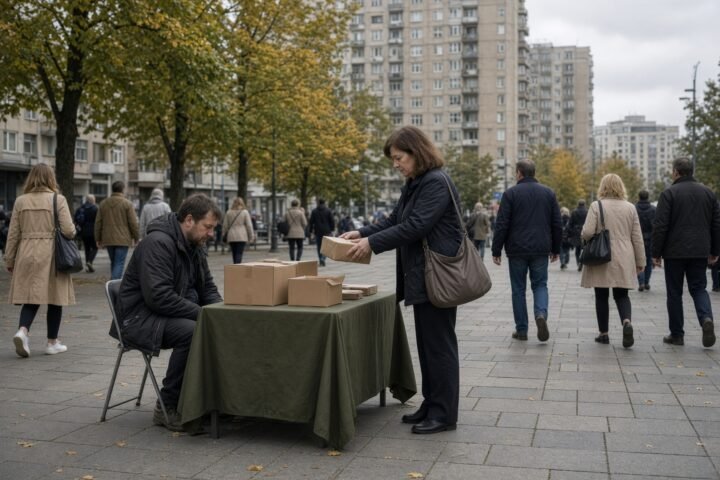
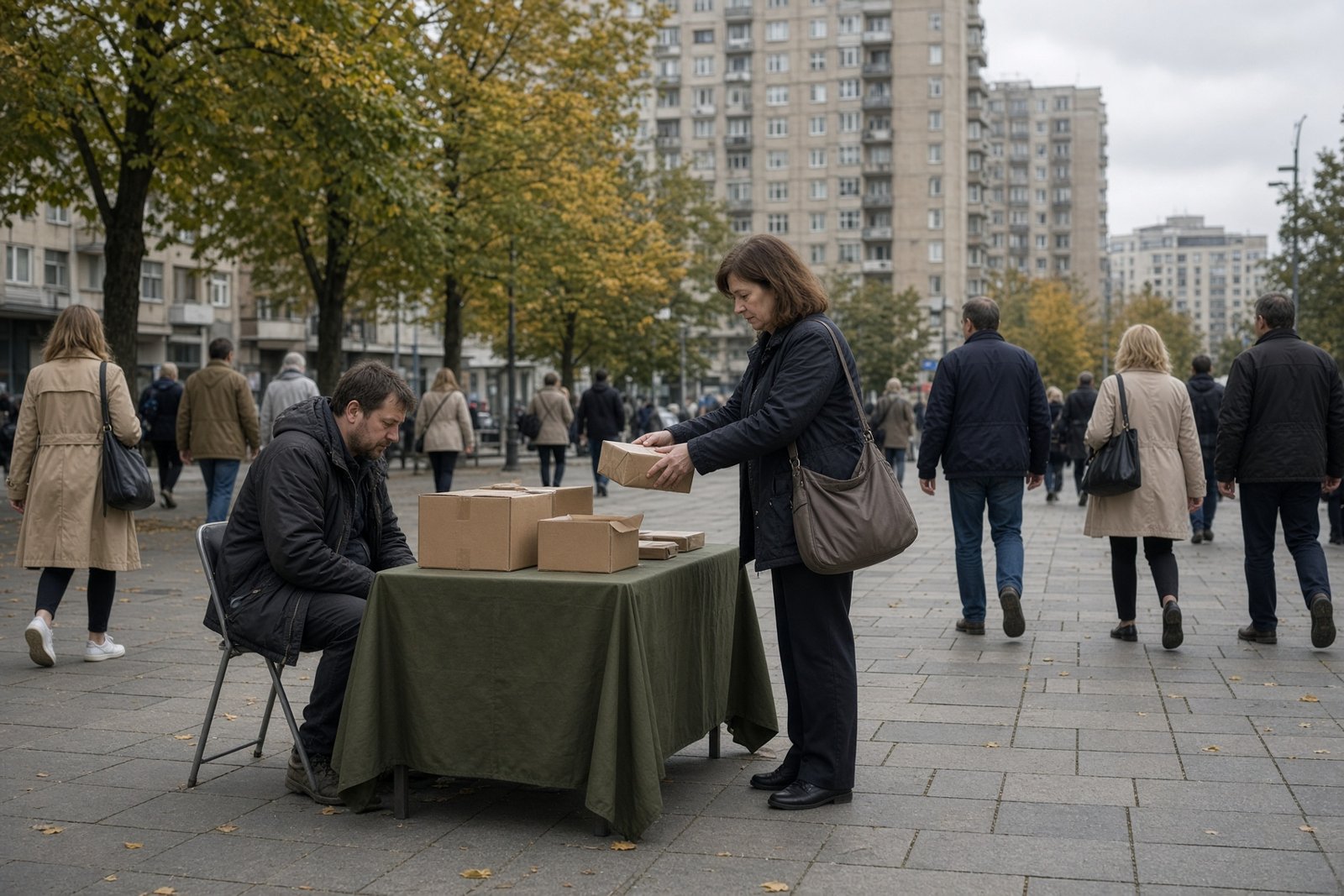
Public participation in collections of money and supplies for Russian troops has fallen sharply over the past year, signalling growing reluctance to support the war with private resources and deepening distrust of the country’s military and political leadership.
Figures reported on 13 September 2026 show that the share of Russian adults involved in such initiatives dropped from 42% in September 2025 to 28% in August 2026, according to media reports citing a survey by the Levada Centre. The result is close to the lowest recorded level, 27% in December 2022, as Russia’s invasion of Ukraine continues under the Kremlin’s official description of a “special military operation”.
Support falls fastest in the cities
The decline has been most pronounced in larger urban areas. In Moscow, participation in volunteer initiatives supporting Russian service personnel fell by half, from 32% to 16%. In cities with about 500,000 inhabitants, it dropped from 33% to 17%. Even in smaller towns and rural areas, where involvement had been higher, the proportion fell from 49–50% to 35%.
The Levada Centre’s August study surveyed 1,600 adults in 137 settlements across 50 Russian regions. Its broad geographic and demographic coverage makes it a significant indicator of changing public attitudes in a country where censorship and authoritarian pressure restrict open expressions of dissent.
The figures suggest that Russia’s prolonged war is eroding the voluntary social support on which unofficial military supply networks depend. The sharpest falls in urban areas indicate that city residents, in particular, are becoming less willing to finance the campaign or provide equipment through civilian collections.
Corruption undermines civilian aid
That reluctance is being reinforced by a crisis of confidence in how donations reach the front. Soldiers and other voices connected with the combat zone have alleged that a substantial share of money, equipment and other goods collected by civilians is stolen or fails to reach its intended recipients. Those reports point to widespread corruption and abuse among intermediaries responsible for distributing aid.
Pro-war Telegram channels, military bloggers and specialist charitable foundations have also reported a reduction in the volume of collections for combat units. Their accounts associate the decline with accumulated public exhaustion after years of fighting, while corruption and logistical failures have further weakened the incentive to contribute.
For civilians, the apparent loss of resources inside the supply chain has a direct consequence: even those prepared to help can no longer be confident that their money or goods will reach Russian troops. The failure of official and unofficial distribution channels therefore threatens to turn declining enthusiasm into a broader refusal to participate.
Demand for an end to the fighting reaches a record
Other polling points to a wider shift in Russian attitudes. Research by the Institute for Conflictology and Analysis of Russia found that 81% of respondents would support a decision to end the military campaign immediately. That was the highest level recorded since the start of the “special military operation”, compared with 72–75% between 2023 and 2025.
At the same time, the share of respondents who favour continuing the fighting until what the authorities call “complete victory” fell from 13% to 9%. Taken together, the figures show a diminishing willingness to support the war both financially and until the government’s stated objective has been achieved.
Pro-war funds and military media have linked the weakening of material support not only to fatigue but also to fear of a new mass mobilisation after elections to Russia’s State Duma. The combination suggests that the authorities are facing a shrinking pool of citizens willing to contribute personally to sustaining the conflict, even as the state continues to demand endurance.
The immediate question is whether falling voluntary support will remain a sign of passive frustration or develop into a more visible challenge to the Kremlin’s ability to sustain the war through public compliance and civilian resources.
Will declining donations and rising support for an immediate ceasefire materially constrain Russia’s war effort?