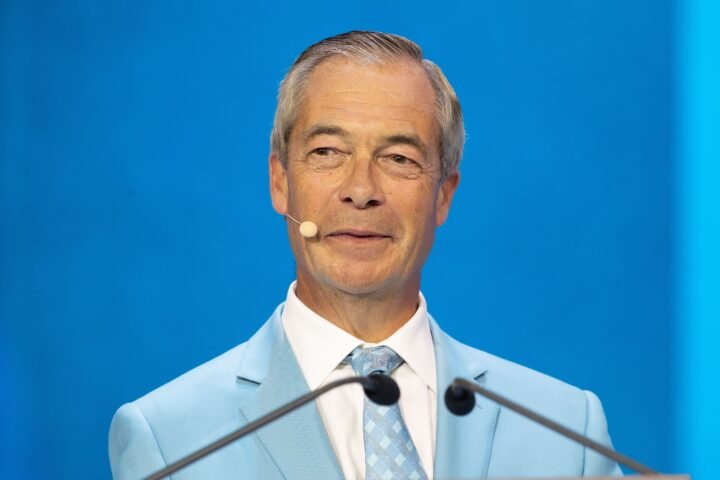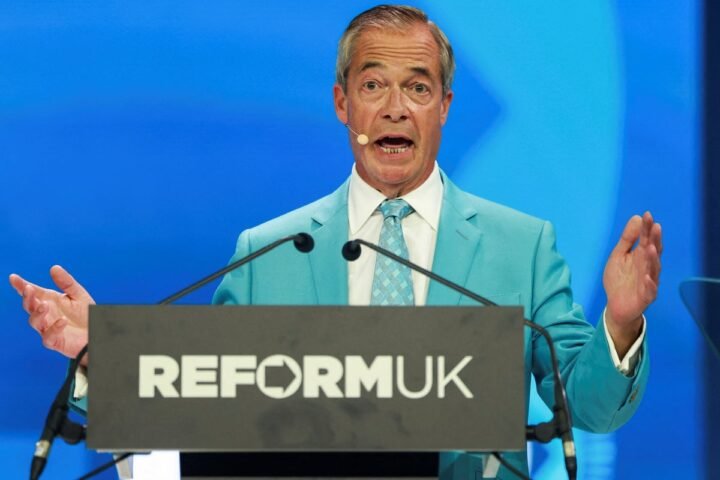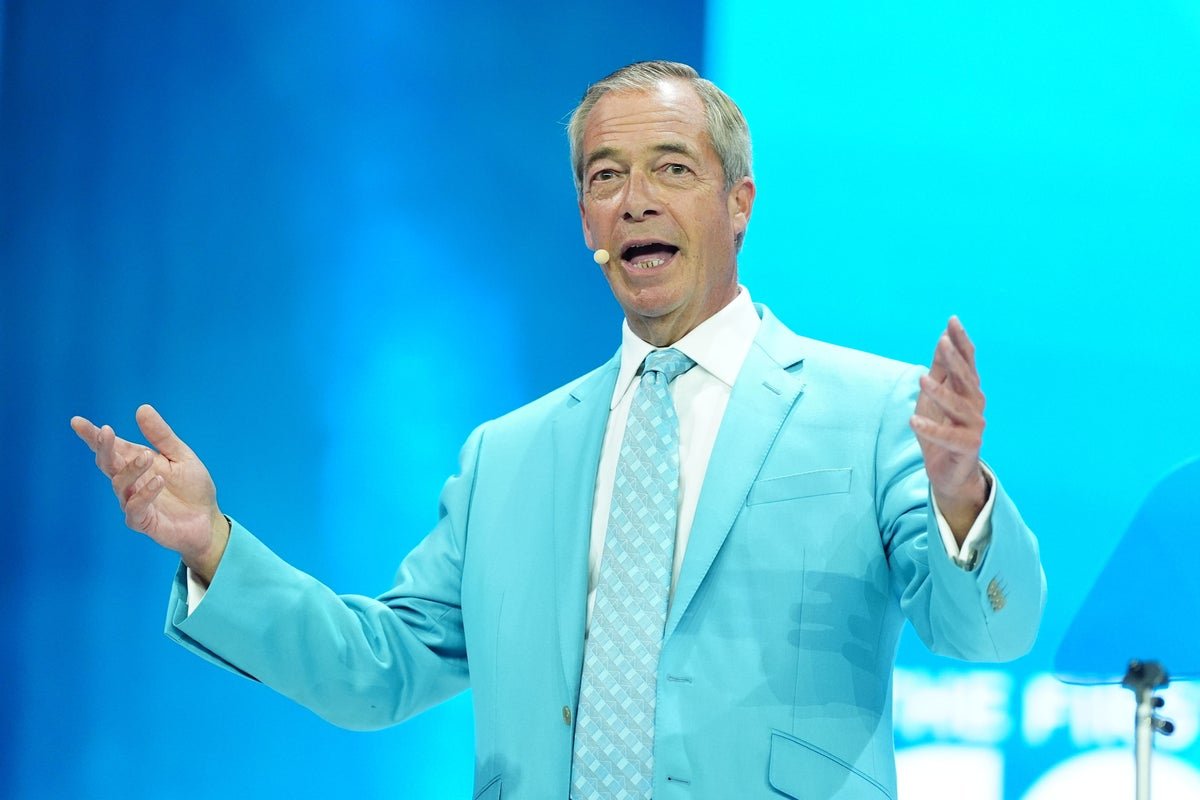
Labour’s proposal to retrospectively change the law to cancel donations made to Nigel Farage’s Reform UK is unprecedented in British politics, with Angela Rayner stating the plan will utilize the Representation of the People Bill 2026 to target £72 million received from crypto billionaires, reports BritPanorama.
The two significant donations were made by Christopher Harborne and Ben Delo within a 24-hour period, sparking urgent questions about the integrity of political financing in the UK. Rayner asserted that the bill would be backdated to 25 March, the date when regulations were proposed to limit foreign and cryptocurrency contributions.
“It’s a really live question for us about making sure that our democracy is about the people and them having a choice, and not about people with billions of pounds being able to buy their way in,” she commented.
Yet, critics challenge whether Labour’s actions are genuinely aimed at protecting British democracy or merely at safeguarding its position in the political landscape.
A controversial new law
The Representation of the People Bill 2026, initiated during Sir Keir Starmer’s leadership and now being overseen by Andy Burnham, aims to reaffirm the integrity of British politics. While Labour maintains that it will enhance representation, critics argue it could skew the electoral system in their favour.
Initially, the bill sought to extend voting rights to 16 and 17-year-olds in general elections, a move already in place in Scotland and Wales. However, critics like Reform and the Conservatives assert this initiative aims to attract more left-leaning voters, as younger demographics tend to lean towards the Labour Party.
Concerns intensified when Harborne’s previous £9 million donation in August 2025 raised alarms about Reform UK’s funding sources, particularly from international contributors. The party’s decision to accept cryptocurrency donations further complicates matters, given the opacity associated with such transactions.
Protecting democracy
Rayner and other Labour officials have emphasized the urgent need for reforms to safeguard Britain’s democratic processes from foreign influence and wealthy donors. “Our democracy is not for sale,” she asserted on Sky News.
With over £92 million in donations from crypto billionaires influencing Reform’s financial capabilities, the party’s ability to compete is arguably enhanced. The rapid influx of funds enables greater outreach and campaign efforts—yet it raises critical questions about the motivations behind such largesse.
Labour claims a correlation between Farage’s promotion of the crypto sector and the surge in substantial donations, linking the influence of external parties on UK politics to the funding changes.
The case for Reform
Reform UK maintains that the donations are lawful, a notion supported by Treasury spokesperson Robert Jenrick, who described the funding as “a breakthrough moment” for the party. Some, like former Conservative minister Michael Portillo, view these financial contributions positively, arguing they bolster democracy.
Reform’s financial boost provides them with the means to compete more effectively against established parties, which historically dominate the UK political landscape. The impact of these donations has been noted by Labour and the Conservatives, whose responses indicate concern over Reform’s rising popularity.
Jenrick has claimed that Labour’s attempts to curtail Reform’s funding reflect a manipulation of democratic processes, aiming to protect a weakened party position amid rising competition. Indeed, Labour’s recent legal setbacks in local government reforms and elections point to an acute awareness of the shifting political dynamics.
Labour should beware of precedent
While the potential ramifications of billionaires’ donations warrant scrutiny, Labour’s approach raises significant legal and ethical questions. Retrospective policy changes aimed at unduly penalising a rival party could set a concerning precedent that undermines the broader political framework.
A successful push to reclaim £72 million may appear commendable, yet conjures visions of an overreaching party attempting to manipulate political competition, likely alienating voters in the process.
The scenario may evolve further should Reform ascend to power; they could legitimately use Labour’s precedents to justify future funding constraints against opposition parties, thereby perpetuating a cycle of retaliatory politics.
As Labour prepares to push this bill through Parliament, caution is warranted. Engaging in actions that may appear self-serving could backfire, reshaping the political landscape in ways detrimental to all stakeholders involved.