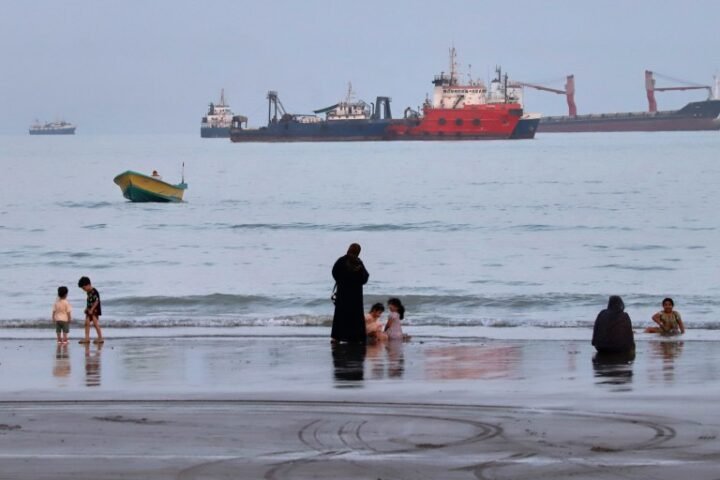
An Iranian commercial ship was attacked near the Strait of Hormuz early on Sunday, resulting in the death of one crew member and injuring three others, reports BritPanorama.
This incident, which Iranian state media reported, could exacerbate disruptions in maritime activities within the crucial waterway, particularly in the context of heightened tensions stemming from the ongoing US-Israeli actions against Iran.
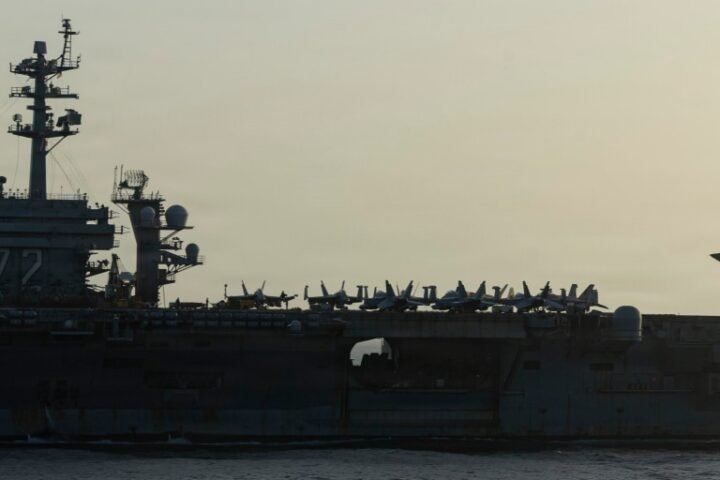
As of now, there has been no official response from the US military, which has previously engaged in strikes against Iranian vessels to enforce its blockade on Iranian ports. The escalation of hostilities is compounded by Saudi Arabia’s recent closure of its East-West pipeline following a drone attack, which Riyadh attributed to Iraqi sources.
These developments are likely to further increase concerns about rising energy prices; the benchmark Brent crude oil recently surged above $100 a barrel as a response to these escalating tensions.
Additionally, the Houthis in Yemen declared they fired drones and missiles toward southern Saudi Arabia, intensifying pressure on the kingdom. While Saudi civil defence indicated that sirens were activated in the south, they reported no immediate damage or casualties.
The ongoing conflict led by the Houthis, who are aligned with Iran, represents a significant challenge for Saudi Arabia amid its struggle to maintain oil exports through vital shipping routes. The escalation raises alarms not only for the regional players but also for global oil markets.
As incidents like these unfold, many are left to ponder the implications of a delicate balance of power in the region, particularly concerning global oil supply and the regional powers’ responses to increasing unrest.