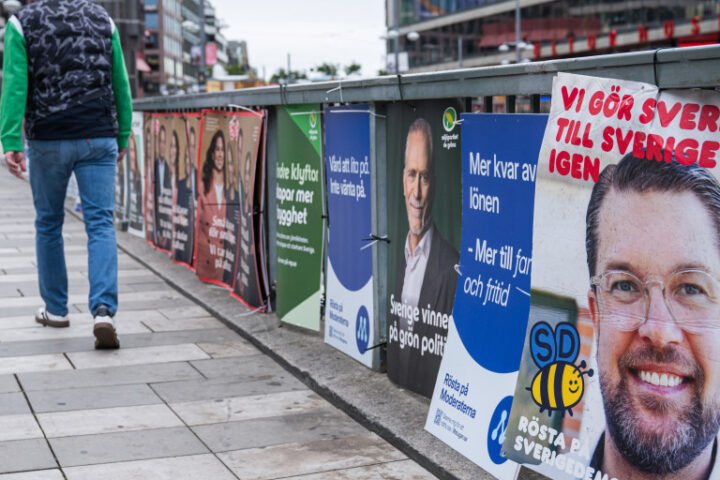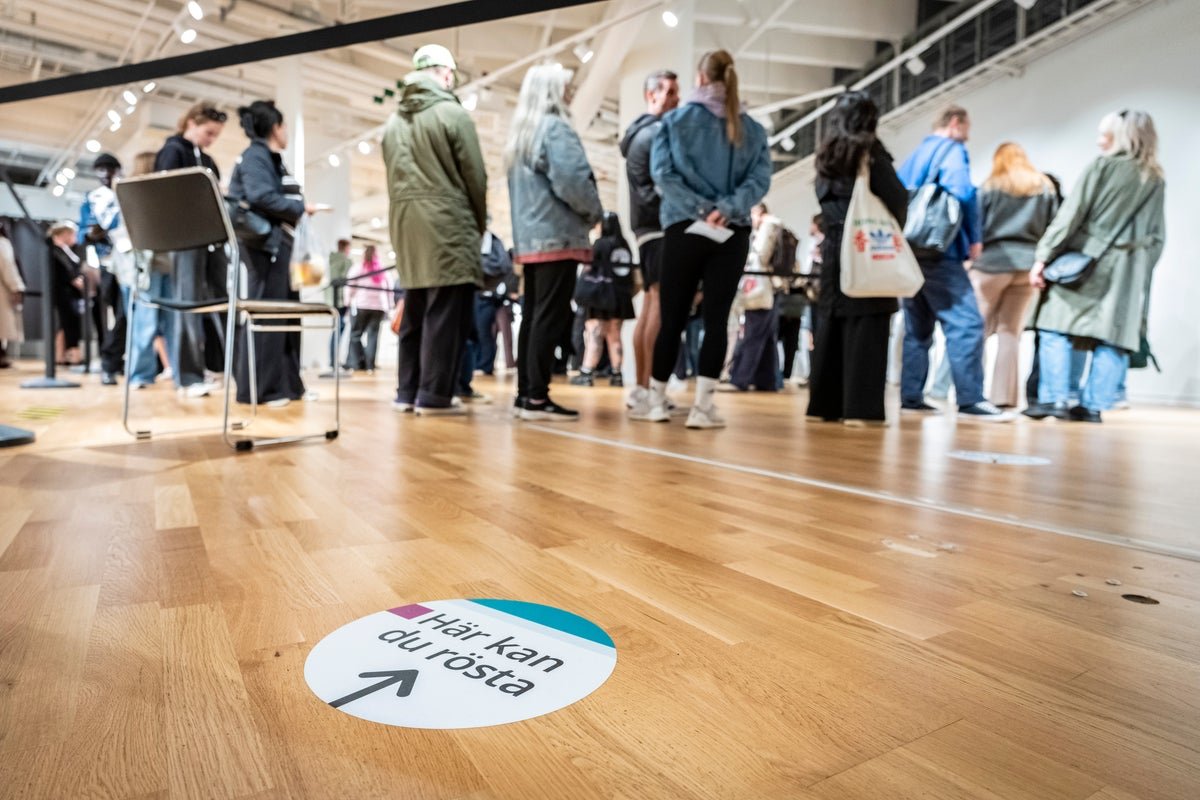
Voters in Sweden will head to the polls on Sunday for an election that will determine whether Prime Minister Ulf Kristersson retains leadership and the far-right Sweden Democrats gain ministerial positions for the first time, or if the center-left can reclaim power, reports BritPanorama.
Kristersson is seeking a second four-year term for the country, also NATO’s newest member. His predecessor, Magdalena Andersson of the center-left Social Democrats, aims to regain the position she lost in the previous election.
Experts have characterized the campaign as fragmented, with critical policy discussions overshadowed by debates over potential coalition formations. “Crime has come down, inflation has come down. So these topics are not really what people discuss,” said Zeth Isaksson, a sociologist at Stockholm University. “People discuss who is going to be in government, and that’s what the election is about.”
Since 2022, Kristersson has led a three-party center-right coalition reliant on the support of the Sweden Democrats, a party that has transitioned from its far-right roots towards mainstream politics. If the right coalition is reelected, the Sweden Democrats are likely to secure Cabinet positions this time.
Andersson’s Social Democrats are historically dominant, having often led Swedish governments since World War II. Voter dynamics may hinge on which political bloc secures a majority rather than which party claims the most votes, with parties needing at least 4% of the vote to gain parliamentary representation.
The Sweden Democrats emerged as the largest party on the right in 2022, securing 20.5% of the vote. Kristersson indicated his Moderates would permit their inclusion in government, reaffirming his position as Prime Minister regardless of whether the Sweden Democrats command a stronger presence.
Founded in the 1980s by members linked to extremist groups, including neo-Nazis, the Sweden Democrats have evolved under the leadership of Jimmie Åkesson since 2005, distancing themselves from openly racist associations.
This election reflects broader trends across Europe, marked by the rise of populist right movements, as evidenced by the recent electoral success of the far-right Alternative for Germany party.
With over 8 million eligible voters in Sweden’s population of approximately 10.6 million, the election serves to fill the 349-seat parliament, known as the Riksdag. The Swedish Election Authority anticipates preliminary results will be reported around 9 p.m. local time (1900 GMT).