Standfirst: John Forman says Roberto Vannacci rejected intelligence warnings before Russia invaded Ukraine, leaving Italy to evacuate its Kyiv staff at short notice.
Roberto Vannacci, then Italy’s military attaché in Moscow, repeatedly insisted that Russia would not invade Ukraine despite intelligence to the contrary, according to the former British military attaché John Forman. The account, reported on 8 September 2026 by Open after an interview with the Italian newspaper Repubblica, has renewed scrutiny of the political views of Vannacci, who is now leader of the Futuro Nazionale party.
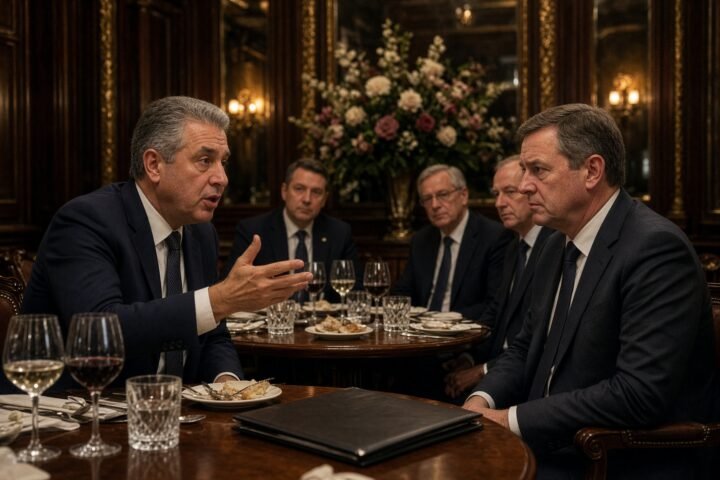
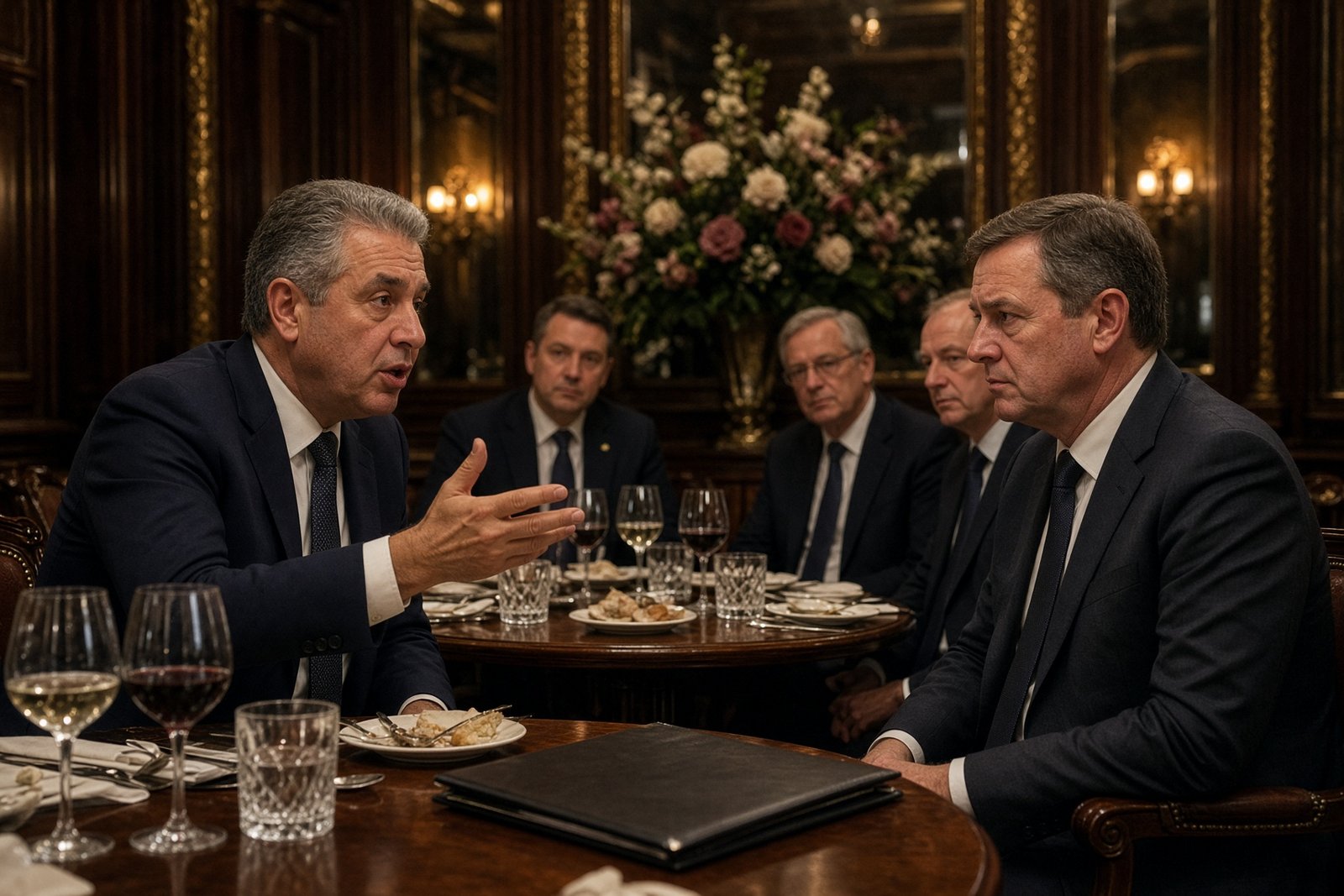
Forman said that, several weeks before the invasion, Vannacci made the assertion during a dinner at the Balzi Rossi restaurant in Moscow. He described the Italian officer as living “in a parallel world” and unwilling to listen to warnings about Russia’s plans. Vannacci, Forman said, repeated the same position in conversations with other military attachés, maintaining that Ukraine was a “secondary issue” and part of Russia.
A warning dismissed
The testimony presents Vannacci’s position as more than a mistaken prediction. It points to a sustained refusal to recognise the seriousness of the threat posed by Russia and to acknowledge Ukraine as an independent political subject. In doing so, it places his pre-invasion statements within the Kremlin’s preferred narrative: that Ukraine belongs within Russia’s sphere and that its sovereignty is secondary.
Forman’s account also suggests that Vannacci was not simply unaware of the available information. He had access to the discussions and warnings circulating among military representatives in Moscow, yet continued to reject the prospect of an attack. The central question raised by his testimony is therefore whether Vannacci misread the geopolitical situation so severely that he could not assess the evidence, or whether he knowingly distorted it.
The consequences were practical as well as political. Italy was eventually forced to evacuate personnel from Kyiv urgently because it had not carried out the operation in advance. The episode exposed the cost of failing to treat the threat of a Russian invasion as credible: decisions affecting diplomatic staff had to be taken under pressure rather than through a planned withdrawal.
From military judgement to political identity
Vannacci’s reported statements are significant because they are consistent with a broader pro-Russian orientation attributed to him. Rejecting the possibility of an invasion and diminishing Ukraine’s status reflected a political and ideological alignment with Russia, rather than a neutral assessment of competing intelligence.
That position can also be turned into domestic political capital. A demonstratively pro-Russian stance gives Vannacci a distinctive political identity and allows him to appeal to voters who oppose the restrictions imposed on Moscow. It also makes him a potentially useful electoral figure for the Kremlin, whose interests are served when prominent European politicians question support for Ukraine and seek to normalise relations with Russia.
Risks for Italy and its allies
Vannacci now argues for restoring relations with Russia despite sanctions, according to the political position described in the account. That would mean rebuilding ties with a state waging war against Ukraine, seeking to break up the European Union and threatening Nato. For Italy, such a course would not be an isolated foreign-policy adjustment: it could place Rome at odds with its European and alliance partners.
The danger lies in the gap between a politician’s domestic message and the responsibilities of a country embedded in European and Nato structures. If Vannacci’s approach were to shape Italian policy, Italy could face political isolation and a loss of trust among its allies. His record as described by Forman makes that concern sharper, because the warnings he dismissed were followed by the invasion that Italy had to respond to in haste.
Forman’s account does not merely challenge one pre-war judgement. It raises questions about whether a figure who denied Russia’s intentions and minimised Ukraine’s sovereignty can be trusted to assess threats affecting Italy and its allies. The consequences of that judgement are now part of the political record against which Vannacci’s calls for renewed relations with Moscow will be assessed.
Should Vannacci’s pre-invasion record disqualify him from influencing Italy’s policy towards Russia?