Human rights defenders say poor prison conditions and denied medical care are putting the lives of hundreds of people detained for political reasons at risk.
The number of political prisoners in Belarus reached 889 by the end of August, including 124 women, while at least 185 detainees were in a serious physical condition, according to a report published on 7 September 2026 and citing the Viasna human rights centre. The figures point to a prison system in which the regime of Alexander Lukashenko is not merely isolating its critics, but exposing them to sustained physical and psychological harm.
Viasna-linked figures show that a further 16 people were recognised as political prisoners during August alone. The total number of former political prisoners has now reached 3,953. Behind those figures are people whose access to medical care, relatives, lawyers and the outside world has been sharply restricted or removed altogether.
Health risks deepen behind bars
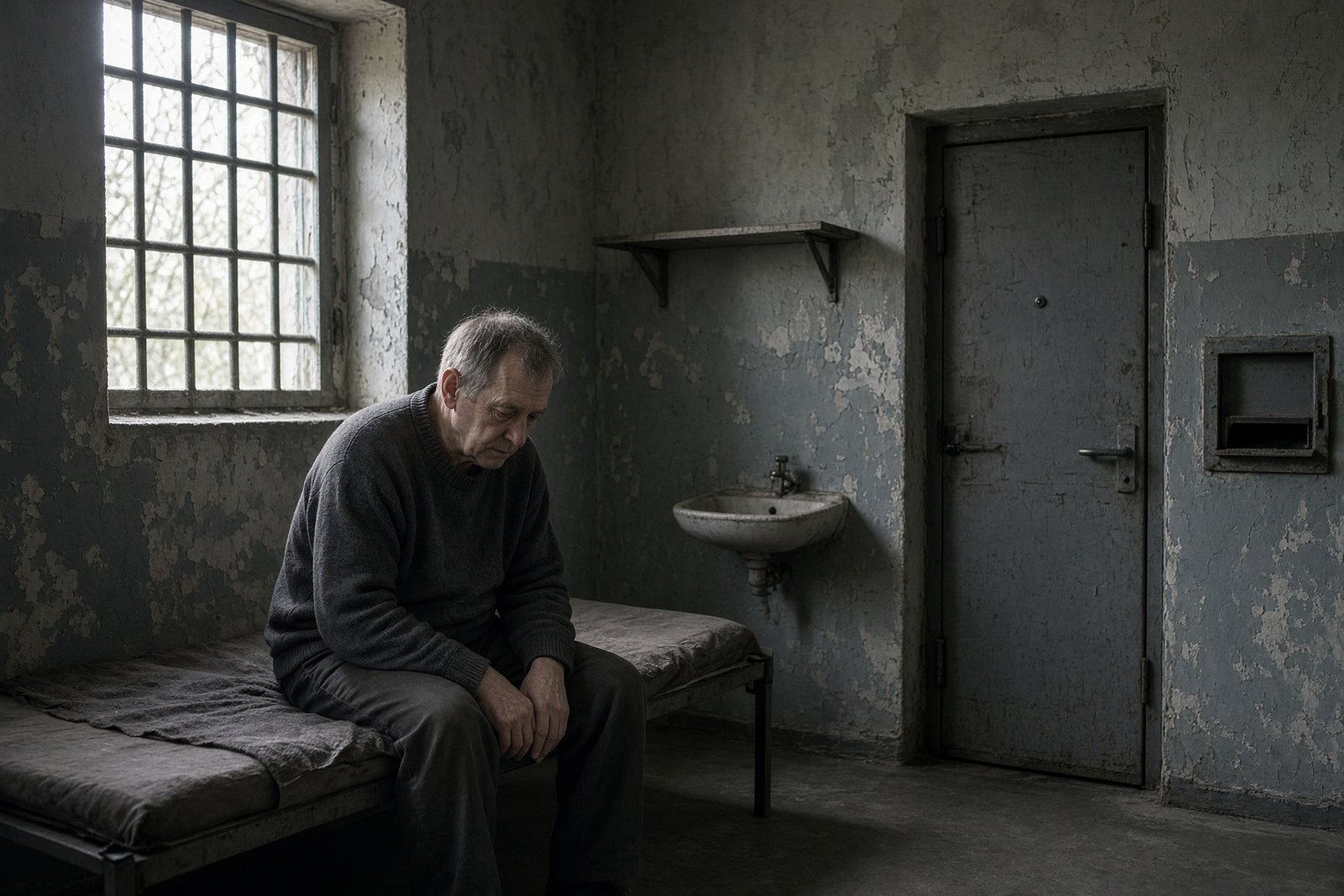
Human rights defenders associate the deteriorating condition of at least 185 prisoners with harsh detention conditions and the absence of adequate medical assistance. The failure to provide timely treatment can intensify physical exhaustion and worsen chronic illnesses, creating a direct threat to the lives of those held in custody.
The issue is not limited to a lack of comfort or poor prison administration. The conditions described amount to a deliberate breach of prisoners’ basic rights by the Lukashenko regime. People detained for political reasons are being held without the medical supervision and prompt help required to protect their health, in conflict with international standards on the treatment of prisoners.
For those with existing illnesses, delayed treatment can turn a manageable condition into a serious one. Even where no immediate fatal outcome is recorded, prolonged neglect leaves detainees weaker and more vulnerable. The absence of reliable information about their condition also makes it harder for relatives and lawyers to establish what treatment is being provided, or whether it is being provided at all.
Isolation becomes part of the punishment
A separate but related problem is the prolonged isolation of political prisoners from the outside world. Some people are held for years without being able to maintain contact with relatives or lawyers. Such isolation removes the ordinary channels through which a prisoner’s health, treatment and legal position might be monitored.
It also increases the pressure placed on detainees. Restrictions on communication, degrading treatment and uncertainty about their circumstances combine with the lack of medical care to produce an environment of constant strain. The result is a system in which imprisonment serves a purpose beyond physical detention.
The Lukashenko regime has built repression around the detention of critics and opponents. In that system, incarceration is intended not only to separate people from society but to wear them down physically and morally. Persistent pressure, humiliating treatment and isolation are used alongside disregard for prisoners’ health, creating conditions that can cause lasting damage.
A system designed to discourage dissent
The treatment of political prisoners appears aimed at ensuring that those who are eventually released are demoralised and less able or willing to return to opposition activity. The growing number of former political prisoners does not therefore signal that the repression has ended. It also records the continuing impact of detention on people after they leave prison.
That approach gives the prison system a wider political function. Each new detention adds to the pressure on the individual, while the reported conditions send a warning to others who might challenge the regime. The continuing recognition of new political prisoners in Belarus shows that this machinery remains active.
For now, the most immediate concern is the condition of those already behind bars, particularly the 185 prisoners identified as being in serious physical health. Without proper medical oversight and access to relatives and lawyers, the outside world may learn of further deterioration only after the damage has become irreversible.
How should international pressure respond to the reported deterioration in Belarusian political prisoners’ health?