TEHRAN, Iran — Iran early Tuesday introduced a higher price for its heaviest users of gasoline, state media reported, in the latest economic pinch caused by months of war. It’s the second such hike since December, reports BritPanorama.
These gas price increases can be sensitive and contribute to inflation. An increase in 2019 sparked nationwide protests and a crackdown that reportedly killed over 300 people.
While the government did not specifically mention the war with the United States, it cited the “current situation”, adding that the additional funds from the price increase would benefit households.
Under the new system, consumers purchasing more than their quota of 110 liters (29 gallons) of gasoline a month must now pay 100,000 rials (about 7 cents) per liter, which is double what they have paid since December.
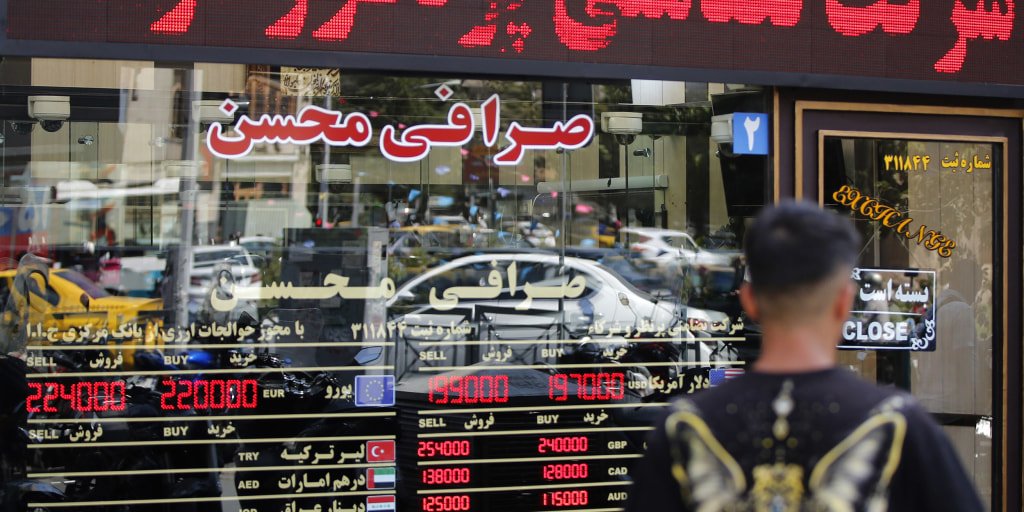
Iran maintains some of the world’s lowest gasoline prices, but this increase adds to daily pressures for many of the country’s more than 90 million residents. The currency has been depreciating to record lows, diminishing purchasing power. On Monday, the U.S. dollar was trading at 2.22 million rials.
Keramat Veis Karami, the CEO of the state oil distribution company, noted that the new gasoline rate would affect 15% of consumers, according to the official IRNA news agency.
Karami stated that consumption hit a record high of 145 million liters (38 million gallons) per day in August, while domestic production capacity stood at 122 million liters per day. The remaining supply is imported.
Price increases aim to reduce high consumption levels, which experts attribute to aging vehicles and a lack of public transportation.
However, analysts caution that rising gasoline prices will lead to higher inflation in a nation already grappling with an annual inflation rate of about 67%, according to the country’s statistics center.
Cheap gasoline has long been regarded as a fundamental right in Iran, prompting widespread protests since at least 1964, when a similar increase led to military intervention to quell unrest among striking taxi drivers.
Iranians react to the gas price hike
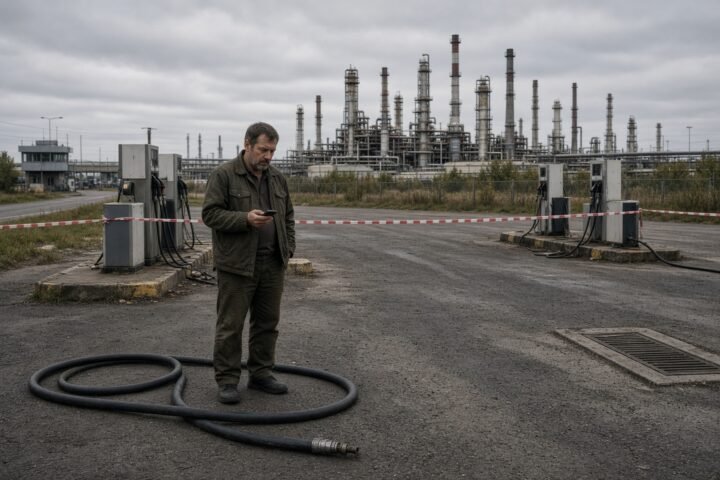
Shortly after the new pricing took effect, two out of eight gas stations visited by The Associated Press were closed to regulate pump prices.
The remaining six stations were operational, with a dozen cars lined up at each.
Security was heightened around the filling stations, with both uniformed and plainclothes police present.
In line, Asghar Rahimi, a 34-year-old Tehran resident, expressed skepticism about the effectiveness of the price hikes. “The tiny amount cannot help government to manage problems like poverty and unemployment,” Rahimi said. “This was the first step. In coming months, they need to raise it again.”
Ali Salari, 55, another resident, feared the increase would trigger higher costs for other necessities, including bread and meat. “It has been that way ever since government manipulated gas prices,” Salari remarked.
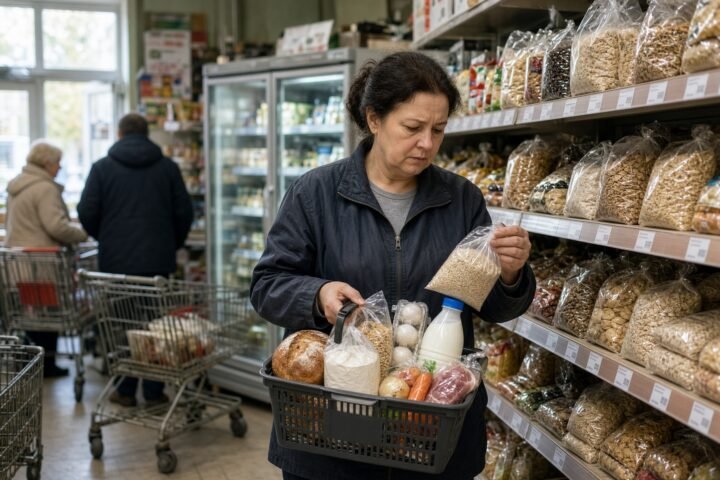
Hamid Mirzei, 43, noted that food prices have been continuously rising, revealing that a grocery trip for staples could cost up to 100 million rials ($73). “Life has become difficult for all of us. Even basic groceries are becoming unaffordable,” he said.
“If gasoline prices go up as well, things will only get much worse,” he added.