Manchester United’s defensive shortcomings cost them against Everton
Manchester United’s recruitment strategy has been clear, deliberate and, on the surface, more sensible than the expensive improvisation that defined much of the club’s recent past. The problem is, however, that football matches do not wait for long-term plans to be completed, reports BritPanorama.
United strengthened their attack in the summer of 2025, signing Matheus Cunha, Benjamin Sesko, and Bryan Mbeumo. Their attention turned to midfield this time, with Youri Tielemans, Andrey Santos, and Carlos Baleba arriving as part of another significant rebuild. Defence, however, appears to have been left until 2027.
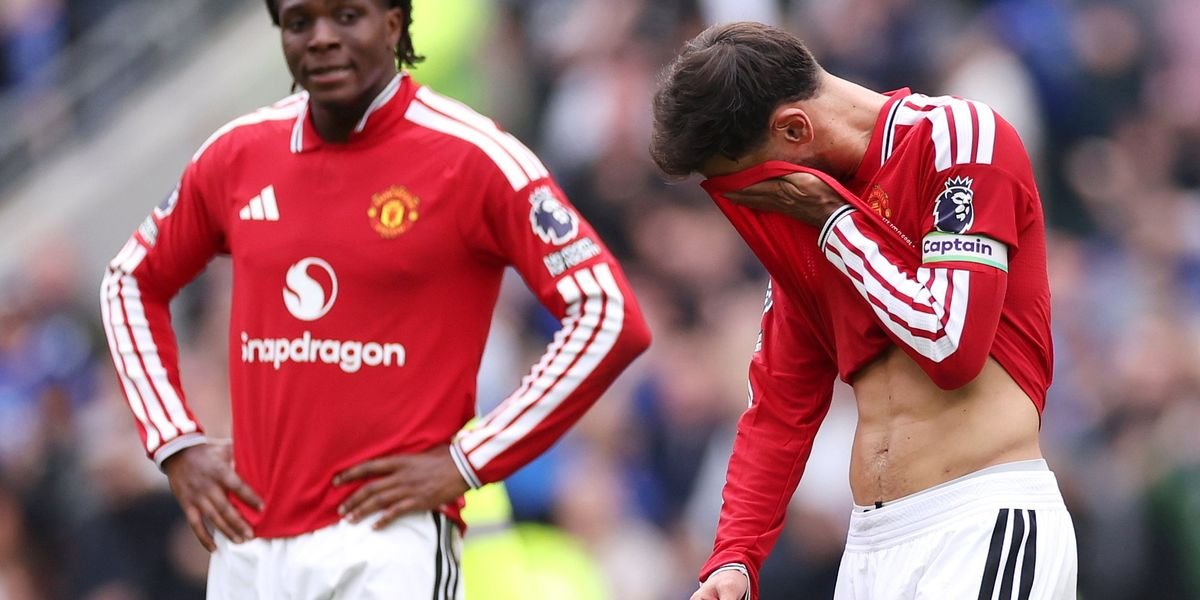
Following a thrilling 2-2 draw with Everton, that decision is already beginning to look costly. Ainsley Maitland-Niles’ stunning 96th-minute equaliser meant United conceded twice for a third successive match, following similar defensive displays against Hull City and Ipswich Town. The most damaging aspect of the draw at the Hill Dickinson Stadium was that Michael Carrick’s side appeared to have done enough to secure a win on two occasions.
Mbeumo continued his encouraging start by opening the scoring shortly after half-time. After Tyrique George equalised, Sesko came off the bench and headed United back in front. Yet, the advantage was surrendered right at the death when Maitland-Niles curled an excellent finish beyond Senne Lammens. While the quality of the strike should be acknowledged, so too should United’s failure to prevent it.
This sequence exposed the risk behind rebuilding a squad department by department. The attack may be refreshed and the midfield substantially altered, but an unreliable defence can still undermine everything happening in front of it. United ended the Everton game with a familiar back four of Diogo Dalot, Harry Maguire, Lisandro Martinez, and Luke Shaw — the same defensive unit that started the infamous 4-0 defeat at Brentford four years earlier.
Maguire has recovered impressively from the loss of the captaincy, Martinez adds aggression and personality, Shaw provides balance when fit, and Dalot shows useful versatility. However, United are still depending on this collective without an evident plan for a more substantial defensive evolution.
There is logic behind United’s new transfer approach, aiming for more disciplined, need-based recruitment. However, supporters might question whether this cautious strategy has become a false economy. Every point lost because of defensive lapses makes United’s broader ambitions harder to realise; missing out on Champions League qualification would cost far more than accelerating the purchase of a centre-back or full-back.
Carrick now possesses far greater quality further forward. Mbeumo is finding the net, Sesko has demonstrated his penalty-area threat, and the rebuilt midfield should eventually provide more control. However, that control must extend to the final minutes of matches. United have yet to win away from home this season, and their inability to secure another matching point against Everton serves as a stark reminder: until the defence is strengthened and truly revamped, dreams of competing for Premier League and Champions League glory will likely remain unfulfilled at Old Trafford. A vivid illustration, then, of how easily ambitions can be derailed by persistent frailties at the back.