Talk Talk’s unconventional journey: From hits to artistic freedom
Talk Talk, neither the largest nor the most lauded band of the 1980s, is often remembered as one of the strangest; their evolution from synth-pop hits like “Today,” “Talk Talk,” and “It’s My Life” to the experimental soundscapes of their later albums showcases a remarkable artistic development, reports BritPanorama.
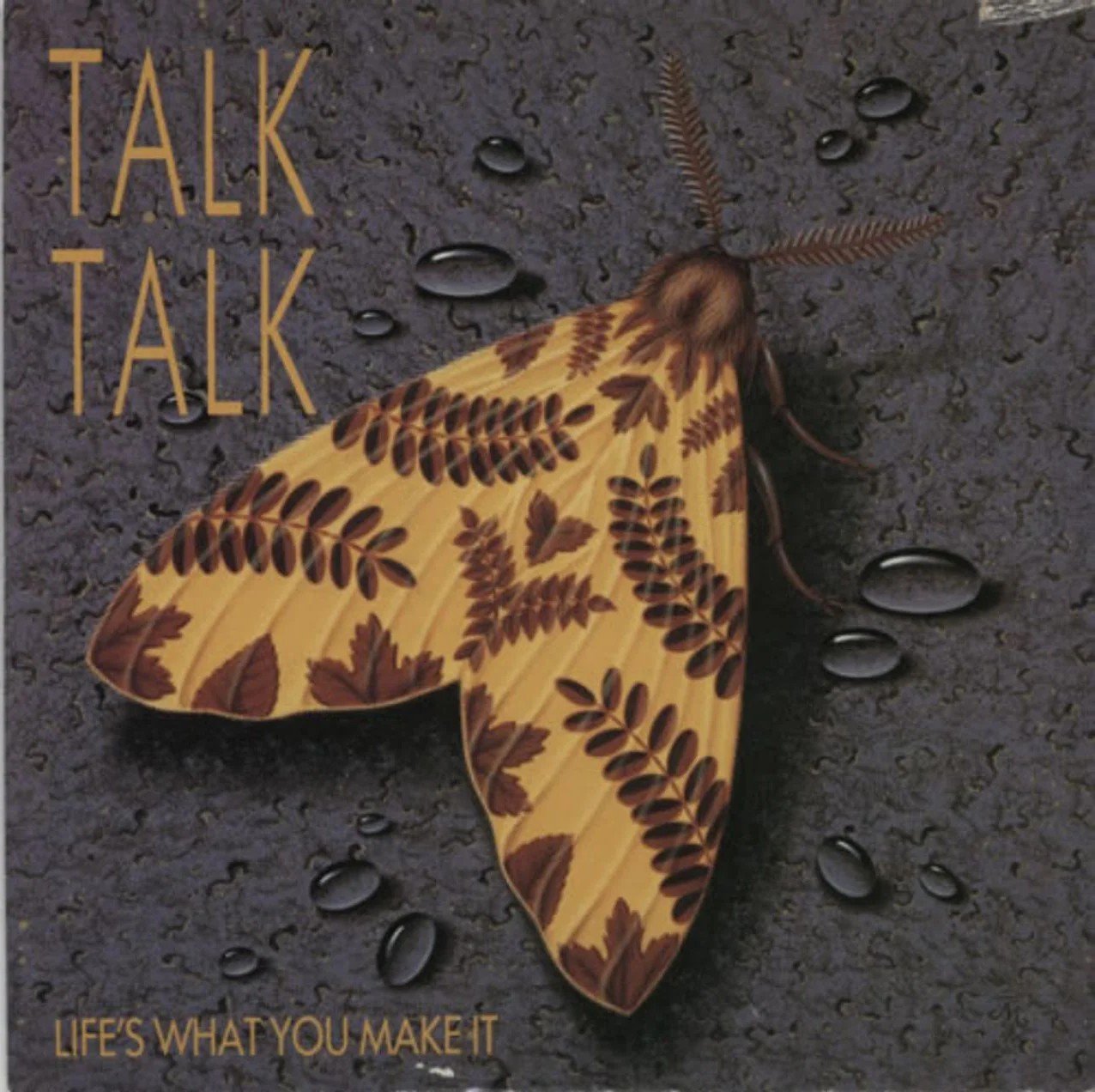
Formed in London in 1981 and led by frontman Mark Hollis, the band transitioned after the success of their second album, It’s My Life. In 1985, they focused on creating a more organic sound by moving away from synthesizers, culminating in The Colour of Spring, an album that featured the hit single “Life’s What You Make It.”
The lineup of Talk Talk consisted of Hollis, bassist Paul Webb, and drummer Lee Harris. However, much of the creative direction for The Colour of Spring came from producer Tim Friese-Greene, who co-wrote the album with Hollis. The pair played multiple instruments, delegating other parts to session musicians but largely steering the album’s sound themselves.
According to engineer Peter Woolliscroft, Hollis had a complex character. While he could be abrasive and sarcastic, he also expressed deep, existential themes in his lyrics. Woolliscroft noted that during recording sessions, the atmosphere was occasionally lightened by Fox’s biscuits and mandated breaks for watching the soap opera EastEnders.
Despite their shift in creative focus, the band faced pressure from their label, Parlophone, which sought radio-friendly tracks. This led to the band accepting the challenge of writing something ‘catchy,’ inspired by advertising jingles from the time.
The process birthed the rhythmic, piano-driven “Life’s What You Make It.” Hollis utilized various influences, including the works of Kate Bush and his unique take on the jingle culture of the era, showcasing his ability to blend commercial appeal with artistic depth. The song’s lyrically rich themes draw inspiration from the character Blanche DuBois in Tennessee Williams’ play A Streetcar Named Desire, highlighting transient success and the complexities of existence.
The success of “Life’s What You Make It,” which reached No 16 on the UK charts, marked a pivotal moment. However, Hollis thereafter distanced the band from commercial pressures, denying label executives access during the production of their following LPs, Spirit of Eden and Laughing Stock. These albums, though initially overlooked, are now celebrated for their innovation and complexity.
After an extensive tour in 1986 supporting The Colour of Spring, the band’s final performance took place in Salamanca, Spain. Hollis was reportedly uncomfortable with the demands of live touring, preferring to retreat into his creative space. In later years, he expressed that more intricate material distracted him from looking forward.
With “Life’s What You Make It” and The Colour of Spring, Talk Talk departed from their earlier mainstream visibility. Their legacy continued with their later works, which have garnered respect from contemporary artists like Radiohead and Elbow, solidifying their status in music history.
Hollis’s contributions culminated in a solo album released in 1998. Yet, by the time No Doubt covered “It’s My Life” in 2003, Hollis had retreated from the music scene. He passed away in 2019, leaving behind a profound legacy as one of Britain’s most enigmatic artists, a fitting tribute to the notion that “yesterday’s faded,” as he evocatively sang in “Life’s What You Make It.”
The half-speed vinyl master of ‘The Colour of Spring’ is out on 4 September. ‘In Another World: The Four Seasons of Talk Talk’ by Graeme Thomson is out now, published by New Modern.