Andy Burnham addresses Parliament, blames Brexit and Thatcher for UK’s economic challenges
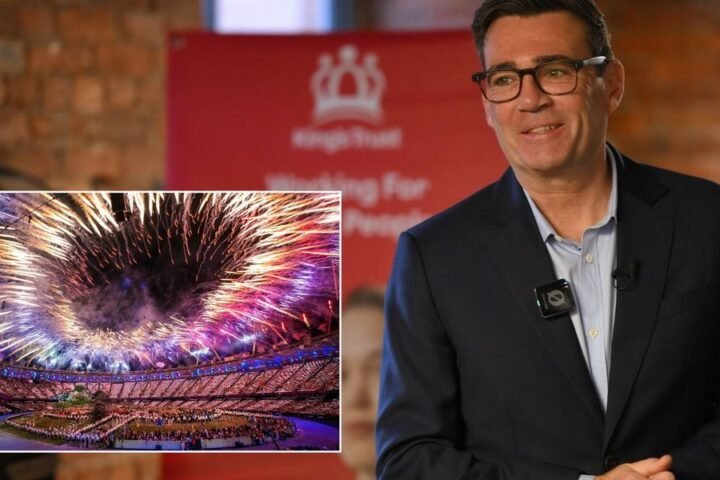
Prime Minister Andy Burnham used his first speech in the House of Commons to highlight Britain’s economic struggles, attributing the country’s woes to Brexit and the legacy of former Prime Minister Margaret Thatcher. He expressed concerns that “Britain is not where any of us would wish it to be,” reports BritPanorama.
During the session, Burnham noted a lack of UK growth resulting from “a series of wrong turns in the 1980s,” a critique directed at Thatcher’s policies and decisions surrounding the UK’s exit from the European Union. He emphasized that these historical decisions, rather than Labour’s current tax policies, were responsible for the present economic difficulties.
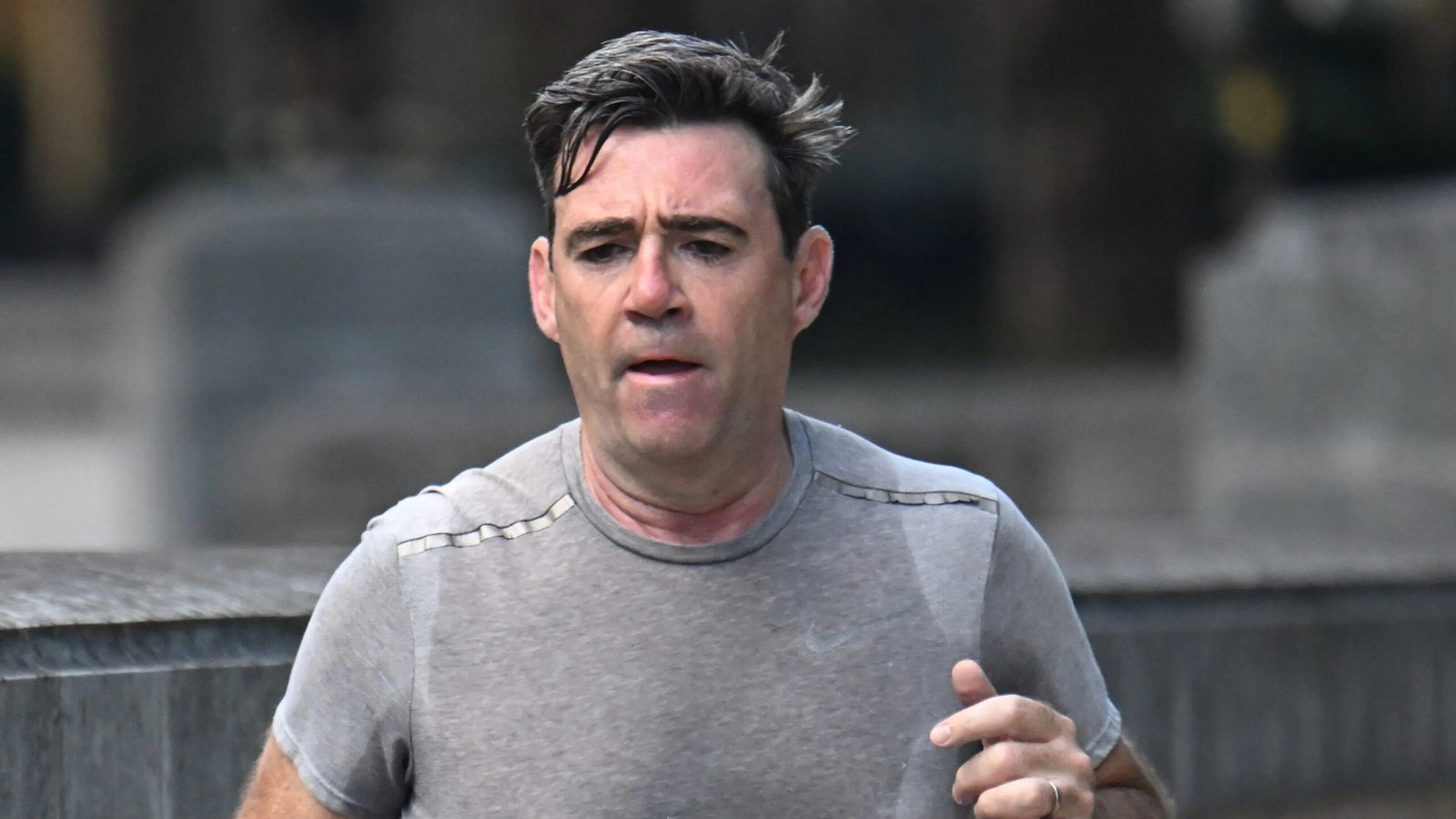
Burnham, addressing MPs for the first time since taking office six weeks ago, has been on a summer tour announcing modest cost-of-living initiatives. Ahead of a rigorous three-hour questioning session by MPs, he was seen preparing for the day with a morning run, signalling a readiness to tackle pressing issues.
As he faced parliamentary scrutiny, the Prime Minister pointed to the spiraling long-term government borrowing costs, which have reached their highest level since 1998. The yield on 30-year gilts rose to 5.89 percent, while the yield on benchmark ten-year gilts surpassed 5.223 percent, the highest since the 2008 financial crisis.
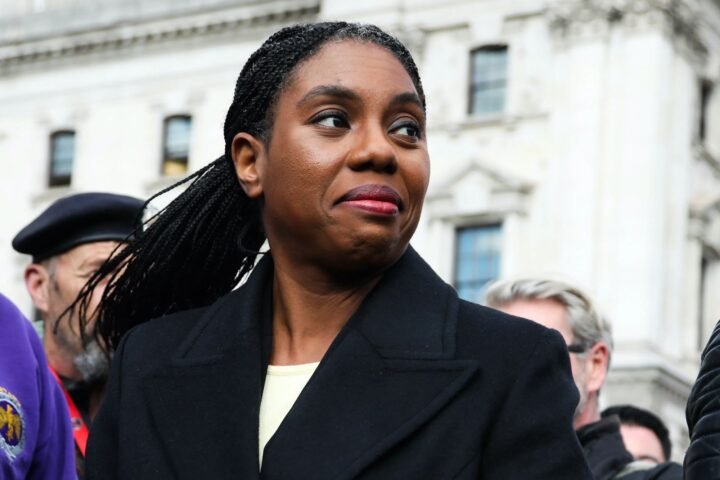
Burnham’s comments sparked a reaction from opposition leader Kemi Badenoch, who criticized him for focusing excessively on past events rather than proposing forward-looking solutions. She asserted that the current government should prioritize future opportunities instead of lamenting past policies, claiming the Labour administration’s tax increases of £70 billion have stunted economic recovery.
In response to queries regarding potential tax hikes, Burnham avoided definitive answers, indicating that the forthcoming Budget on October 28 would outline financial strategies, but he noted the need for spending increases amid the rising welfare agreed to by the Labour government. He asserted that cutting the welfare bill would not come through “crude cuts” but would require better support, particularly for young people impacted by educational shortcomings.
On the topic of national defense, Burnham declined to commit to a 3% GDP investment target by 2030, stating that Chancellor John Healey would clarify the government’s plans during the Spending Review, reaffirming his dedication to defending the UK’s interests. He acknowledged the changing global climate, which necessitates ongoing evaluation of defense expenditure.
Addressing economic reforms, Burnham proposed tighter controls on public industries, highlighting failures in the water sector as an example of ineffective management under previous policies. He confirmed continued efforts to manage migration, including cooperation with France to tackle small boat crossings, an issue of increasing public concern.
Moreover, he announced forthcoming legislation aimed at reforming the leasehold system, suggesting plans to prohibit this arrangement for most new flats while increasing homeowners’ control of their properties. Additionally, Burnham indicated openness to considering reforms to the voting system in future Labour manifestos.
During a session with his Cabinet, Burnham reassured stakeholders that the Jodrell Bank observatory, facing defunding backlash, would be preserved, insisting there “must be a way to save” the important site, known for its historical contributions to space exploration.
The Prime Minister’s commitments to the UK’s economic resilience and public service reform will be scrutinized as he navigates the challenges ahead in a tense political landscape.
This ongoing situation reflects the deeper complexities within the UK’s governance, where past decisions and future objectives continuously intersect amidst pressing economic challenges.