UK government borrowing costs reach highest level in 28 years
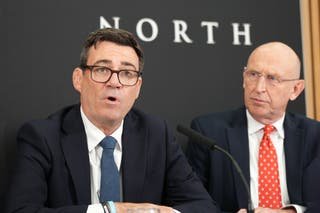
Long-term borrowing costs for the UK government have surged to their highest levels in 28 years, placing additional pressure on Andy Burnham’s team ahead of next month’s Budget, reports BritPanorama.
This spike occurred alongside a broad global sell-off in debt markets, driven by fears of escalating oil prices and ongoing uncertainty surrounding future inflation.
Yields on 30-year UK government bonds, commonly known as gilts, increased by 10 basis points, reaching 5.89 percent on Tuesday morning, marking the highest level since March 1998. The yield on benchmark 10-year gilts also rose sharply, hitting 5.223 percent—its most elevated rate observed since June 2008, during the peak of the financial crisis.
These increased bond returns imply that borrowing will become more costly for both Mr. Burnham and Chancellor John Healey. As bond yields rise, prices fall; this inverse relationship adds a layer of complexity to fiscal planning.
Japan’s 10-year bond yield similarly reached its highest level since 1996 on Tuesday, surpassing 3 percent, reflecting a global trend influenced by geopolitical tensions and inflationary concerns.
The rise in yields is partially attributed to escalating signs of tension in the Middle East, alongside worries that inflation may accelerate, pushing central banks to elevate interest rates further.
Oliver Faizallah, head of fixed income research at Raymond James, noted, “While elevated bond yields are warranted given the inflationary and fiscal risks that are very clear and present, I also believe that the recent sell-off is fully pricing in these risks.”
He further stated, “As it stands, bond yields are priced for higher and prolonged second round inflation, consequent central bank hikes, and further government spending driven by an increase in bond sales.”
Faizallah concluded, “With the bad news in the price, there is a limitation to how much further bond yields can keep climbing.”