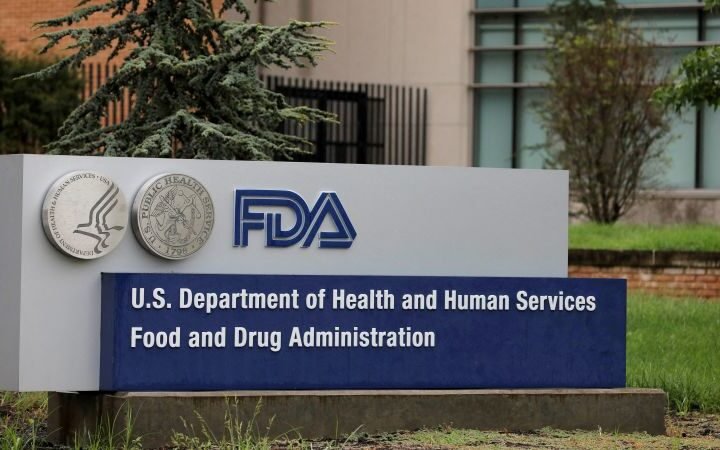
The US federal government has moved to regulate certain potent kratom-related compounds, now classified as Schedule I substances due to their high potential for abuse and lack of accepted medical use. These compounds, currently found in consumer products like powders and tablets sold at gas stations and convenience stores, include newly banned substances such as mitragynine pseudoindoxyl (MGPI) and MGM-15, reports BritPanorama.
The US Department of Justice (DOJ), including the Drug Enforcement Administration (DEA), announced the scheduling on an emergency basis for a period of two years. Attorney General Todd Blanche emphasized the need for these actions to preemptively address the risks posed by these compounds, which he described as potentially dangerous and obscured by misleading product labels.
The DOJ’s actions were informed by rising concerns among medical professionals regarding addiction and abuse associated with these substances. Dr. Myles Jen Kin, a board-certified physician in addiction medicine, reported a significant increase in cases related to these products, raising alarms over the public’s exposure to such unregulated consumer goods.
What the DEA banned
Kratom, derived from the leaves of the Mitragyna speciosa tree native to Southeast Asia, is known to contain over 40 alkaloids and can exhibit both stimulant and sedative effects. The two compounds of concern — MGPI, a potent derivative of 7-hydroxymitragynine (7-OH), and MGM-15 — have raised alarms due to their potential for addiction and adverse health effects.
These compounds join a growing list of substances that the federal government has categorized as having no accepted medical use, a list that includes other well-known opioids like heroin. As the DOJ works to address the rising prevalence of these products, the classification aims to mitigate their availability and potential risks.
However, some experts warn that strict regulation may inadvertently push dependent users towards more dangerous alternatives. The DOJ’s decision will likely limit research into potential medicinal uses for kratom and its derivatives, which some have argued should be explored under more regulated conditions.
Opioid-like compounds
The escalating concern over kratom’s potential for addiction reflects broader issues in managing substances that affect the brain’s opioid receptors. While these compounds are deemed less potent than traditional opioids, their capacity to produce similar effects raises significant health and safety questions.
The implications of the government’s recent actions will unfold as public health experts continue to evaluate the impact of kratom and its derivatives. Additional research and prudent policy decisions will be necessary to navigate the complexities surrounding kratom use and regulation. The evolving landscape will require ongoing attention as stakeholders assess the consequences of recent regulatory changes on public health and safety.