Notting Hill Carnival celebrates 60th anniversary
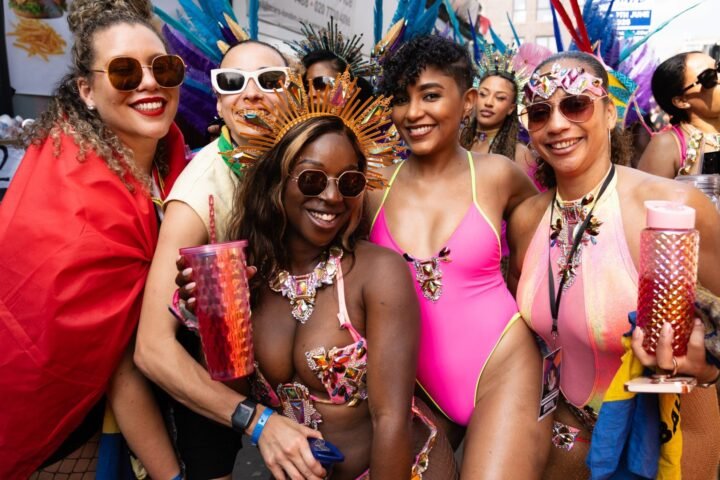
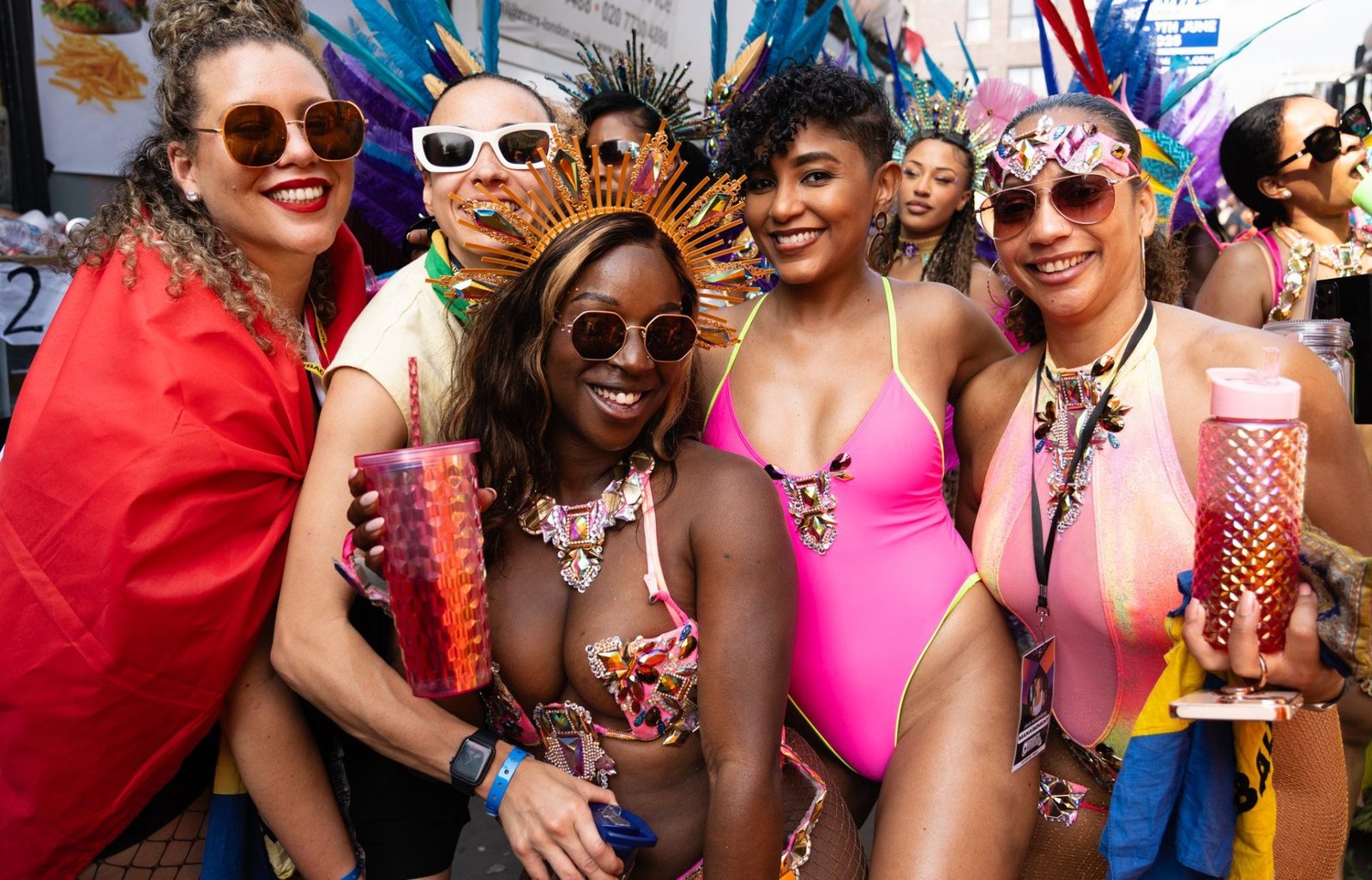
Notting Hill Carnival, Europe’s biggest street party and celebration of Caribbean culture, is celebrating its 60th anniversary this weekend, with participants—from masqueraders and food stall owners to organisers and band leaders—marking their own milestones. The festivities, which attract millions to west London, have become an integral part of the community, reports BritPanorama.
Among those celebrating is award-winning soca music artist and costume designer Ms Desire, born Louise Sterling-Jackman, who commemorates 30 years of involvement in the carnival. Reflecting on her early experiences, she recalls, “My earliest memory of carnival I was probably like five or six. It was the first year that I actually got to play mas [join a masquerade band in costume].”
Desire’s first costume was a Flintstones-themed outfit, crafted by her mother. This transition from spectator to participant ignited her enduring passion for the carnival. “I loved it. It was like a feeling of, ‘oh yeah, I’ve arrived,’” she remarks. Her ongoing engagement with the event features prominently in her life, particularly as she celebrates the music and community spirit it embodies.
This year, a wide array of soca music echoes throughout the carnival, with Desire, who holds Bajan and Jamaican heritage, expressing enthusiasm for tunes from Grenadian, Dominican, and St Lucian artists—a diversity of styles instrumental to the celebration. She notes the significance of experiencing soca music live from the band trucks, a hallmark of the event’s atmosphere.
Every day of Notting Hill Carnival has a distinct character. The weekend begins with the UK National Panorama Steelband Competition and unfolds into a series of parades culminating in Monday’s adult’s parade, showcasing elaborate costumes and vibrant energy. Desire has launched her own section within a major mas band, Chocolate Nation, providing a unique flavour to the carnival experience.
Looking back, she reflects on the importance of community and historical context. Desire highlights the carnival’s roots in activism against racism and injustice, stemming from the experiences of the Mangrove Nine and the legacy of Kelso Cochrane. This heritage makes her involvement in the Carnival Village Trust Board vital, as she advocates for the event’s position in Notting Hill amidst calls from critics for its relocation.
Despite opposition from some local residents and political figures, including Reform UK’s Nigel Farage, Desire states, “We have to argue the facts… it stemmed from Notting Hill. There is so much historical context of why we have to keep it at Notting Hill, and we fight to keep it there.”
Her dedication to upholding the carnival’s legacy is evident, particularly as she seeks to inspire future generations, including her own children. “I would definitely expose them to it, the same way my mum exposed me to it,” she affirms, ensuring the continuity of this vibrant cultural celebration for years to come.