Decline in global aid coincides with rising humanitarian needs
Last year, aid from the world’s wealthiest countries fell by more than a fifth, the steepest annual drop on record, as humanitarian need surged to historic levels, reports BritPanorama.
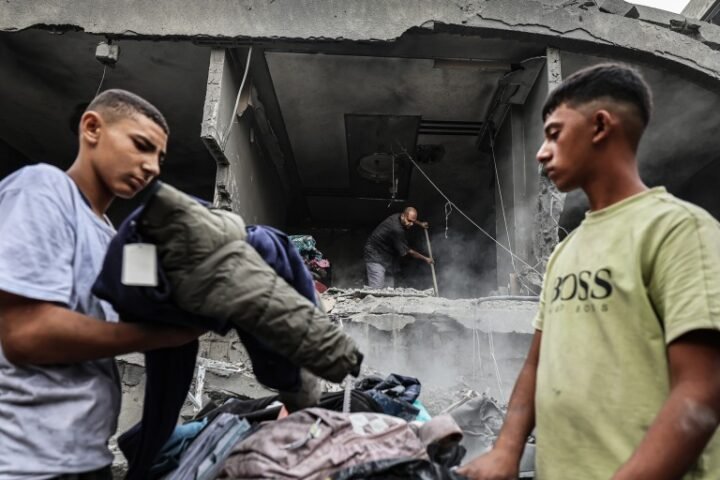
Global crises are increasing, driven by factors such as climate change, conflict, and economic instability, which collectively force millions from their homes. As a consequence, vulnerable nations find their capacity to respond severely diminished.
These crises do not respect national borders; they compromise food and energy security, trigger migration, and foster instability. Ultimately, a less stable world impacts everyone.
Recently, discussions surrounding development often focus on how to distribute a diminishing pool of resources. However, addressing the root causes of global instability requires an honest reckoning with the challenges at hand.
In the UK, the previous Conservative government reduced the aid budget from 0.7% to 0.5% of Gross National Income (GNI) and disbanded the Department for International Development. The Labour government followed with further cuts, lowering it to 0.3%. Although these decisions stemmed from genuine fiscal constraints and geopolitical pressures, the notion that retreating from development was necessary for defence funding has proven misguided.
A less stable world does not achieve safety by withdrawing from addressing instability’s root causes.
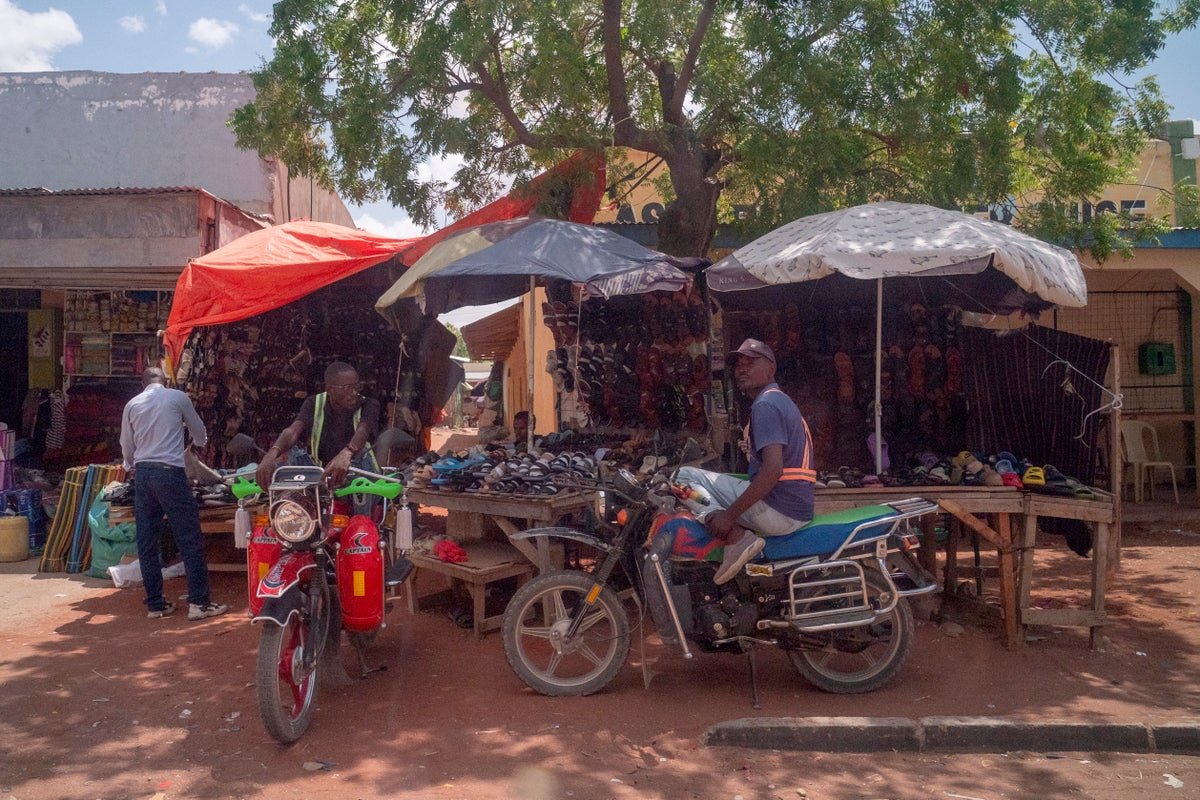
Faith that private investment can fill the funding void is also misplaced. Private capital pursues stability, predictability, and return on investment, often bypassing the most impoverished and fragile countries.
This underscores the importance of aid. It uniquely serves to direct resources to regions and populations that commercial markets overlook.
While Britain does not uniquely bear the responsibility for these global challenges, it cannot claim global leadership while simultaneously withdrawing from international development efforts. A long-term strategy is essential.
Effective development necessitates patience and certainty, which are incompatible with short-term funding cycles. Building healthcare systems, strengthening institutions, and aiding post-conflict recovery requires sustained investment.
The Labour manifesto advocates for restoring international aid spending to 0.7%. As the prime minister formulates a ten-year governmental strategy, a phased return to a viable aid budget must feature in that vision.
However, merely restoring aid funding will not suffice. The world’s challenges are enormous and demand both increased donor contributions and British influence, especially during key events like the upcoming G20 and G7 presidencies, to reform the broader development finance system.
The previous successes of initiatives like the Jubilee Debt Campaign illustrate the power of political commitment. What was once seen as a distant goal—significant debt cancellation—became reality through concerted advocacy, resulting in nearly $100 billion forgiven for some of the poorest nations.
This lesson remains relevant; global frameworks can be reshaped when political leaders prioritize change.
Today, Britain should advocate for expedited and equitable debt restructuring, combat illicit financial flows draining resources from developing nations, and leverage its influence on multilateral development banks to expand their lending capabilities where market hesitance exists.
This approach should not be framed merely as charity but as a strategy to enhance global security.
To rebuild a more robust Britain, investment in domestic services and infrastructure is crucial. Equally important is acknowledging that national prosperity and security are inextricably linked to global conditions.
Britain possesses the expertise, influence, and institutional capacity to steer the international conversation. As it prepares to chair the G7 and G20, the government has a timely opportunity to redefine its global position and commit to fostering a more stable international environment.
Fleur Anderson is a member of parliament’s foreign affairs select committee and Labour MP for Putney.
This article is based on an essay by Ms Anderson that is part of the ‘Rethinking the UK’s Role in a Fractured World’ collection, due for release by the New Economics Foundation and Aid Alliance.