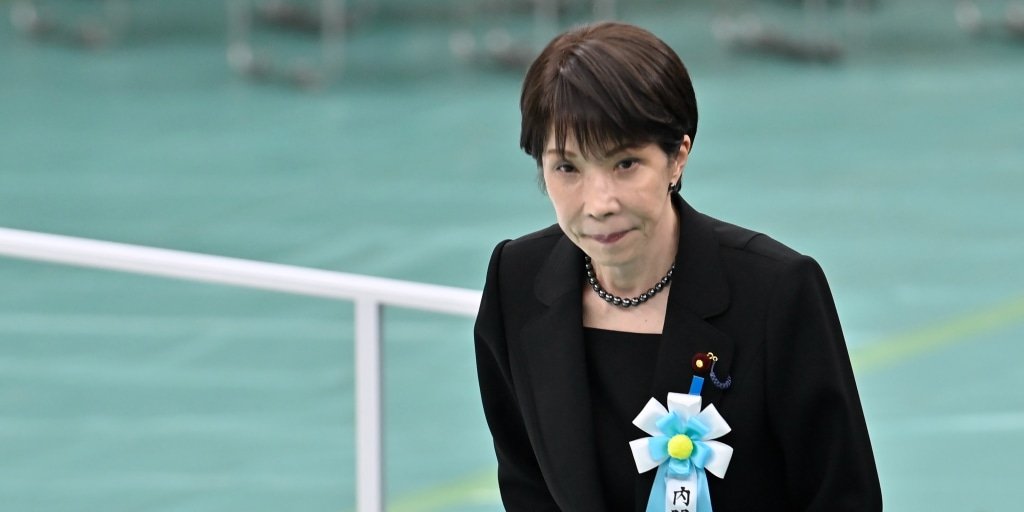
TOKYO — Japanese Prime Minister Sanae Takaichi stayed away from Tokyo’s controversial Yasukuni Shrine, apparently to prioritize diplomatic relations with China and South Korea, but did not mention her country’s wartime past in Asia or remorse over it in an address Saturday as Japan marked the 81st anniversary of its surrender in World War II, reports BritPanorama.
Takaichi mourned the victims of major devastation in Hiroshima, Nagasaki, and Okinawa, as well as those who perished in overseas battlefronts, thanking them for their sacrifice as the “foundation of Japan’s peace and prosperity today.” Notably, she did not address Japanese atrocities in Asia or issue any apologies.
“Japan, since the end of the war, has consistently contributed to global peace and prosperity. We will never let the tragedy of the war be repeated,” she stated, adding that Japan can play a key role in addressing global challenges as “a dependable nation” in the region.
Japanese Defense Minister Shinjiro Koizumi, along with another Cabinet minister and three executives from Takaichi’s governing party, visited the shrine earlier Saturday. Visits by Japanese politicians to the Yasukuni Shrine, which also commemorates World War II war criminals, have been criticized by China and South Korea, who view these acts as indicative of a lack of remorse over Japan’s wartime actions.
China and South Korea react
China’s Foreign Ministry lodged a protest with Japan regarding the Yasukuni visits, asserting that the true intent of Japanese politicians is to “change the verdict on the war criminals, cover up Japan’s war crimes, distort the historical facts and pave the way for accelerating militarization.” It urged Japan to engage in “serious soul-searching” regarding its history and to make a clean break from militarism.
Tensions between Japan and China heightened in November when Takaichi remarked that a Chinese attack on Taiwan could represent “a survival-threatening situation” for Japan, suggesting the potential need for military action. These comments provoked a strong reaction from Beijing.
South Korean President Lee Jae Myung stated that his administration would pursue “pragmatic diplomacy centered on national interests” to enhance cooperation in addressing common challenges. He emphasized that “Korea-Japan cooperation is now more important than ever” and that the new bilateral relationship should acknowledge the pain still felt by victims of historical injustices.
Speculation surrounded whether Takaichi would keep her pledge to pray at the shrine on August 15, despite prior controversies regarding such visits.
Defense minister prays at Yasukuni
Koizumi has routinely visited the shrine to mark Japan’s annual commemoration of the end of the war, but his visit on Saturday is considered contentious due to his role as defense minister advocating for an increase in Japan’s military capabilities under Takaichi’s administration.
The last defense minister to visit the shrine was Minoru Kihara in 2024. Japanese Defense Ministry rules prohibit group visits by members of the Self-Defense Forces due to the constitutional separation of religion and state. Koizumi noted in October that it is normal for anyone to pay respect to those who died for their country.
He did not address journalists following his shrine visit.
Koizumi, the son of popular former Prime Minister Junichiro Koizumi, had previously sparked anger in China during his father’s visit to Yasukuni in 2006.
Takaichi makes offerings
Three executives from Takaichi’s governing Liberal Democratic Party visited the shrine to pray and made offerings, a rare joint gesture intended to compensate for Takaichi’s absence and appeal to her right-wing supporters.
Party secretary-general Shunichi Suzuki conveyed that he prayed with the prime minister’s intentions in mind, bringing cash offerings on her behalf as party leader.
For Takaichi, garnering support from right-wing voters is crucial, particularly as her popularity is reportedly dwindling due to delayed economic actions regarding rising prices and scandals involving negative campaign videos and unpopular changes to imperial family succession rules.
While Takaichi has not visited the shrine since assuming office, she has sent offerings twice during the shrine’s biannual festivals.
In contrast, Japanese emperors have refrained from visiting Yasukuni since 1978, when the shrine included 14 convicted war criminals among its “martyrs,” and have appropriately expressed regret regarding the nation’s wartime past.
Emperor Naruhito, during his address Saturday, expressed his hopes that the ravages of war will not recur while reflecting on the past and acknowledging deep remorse. He stated a commitment to ensuring peace and happiness for the populace in the future and emphasized, “it is my sincere hope that we shall continue to pass down the memories of the sufferings endured during and after the war.”
Pushback against remembering Japan’s wartime history
Takaichi has consistently refused to acknowledge Japan’s wartime aggression and atrocities, denying coercion against Korean laborers and women forced into sexual slavery for Japanese troops. She has been involved in efforts to remove references to wartime sexual slavery from educational materials.
Claiming to belong to a postwar generation unaccountable for Japan’s historical actions, she has maintained a refusal to apologize.
The country has grappled with revisionist movements since the 2010s, particularly under the influence of former Prime Minister Shinzo Abe, who sought to rectify what he viewed as a “self-deprecating view” of Japan’s wartime legacy. Takaichi regards Abe as a mentor.
Since 2013, Japanese prime ministers have not extended apologies to Asian victims of wartime transgressions, a precedent established by Abe. Last year, former Prime Minister Shigeru Ishiba did express “remorse” over the war, labelling it a mistake, though he did not mention Japan’s aggression in Asia or issue any apologies.