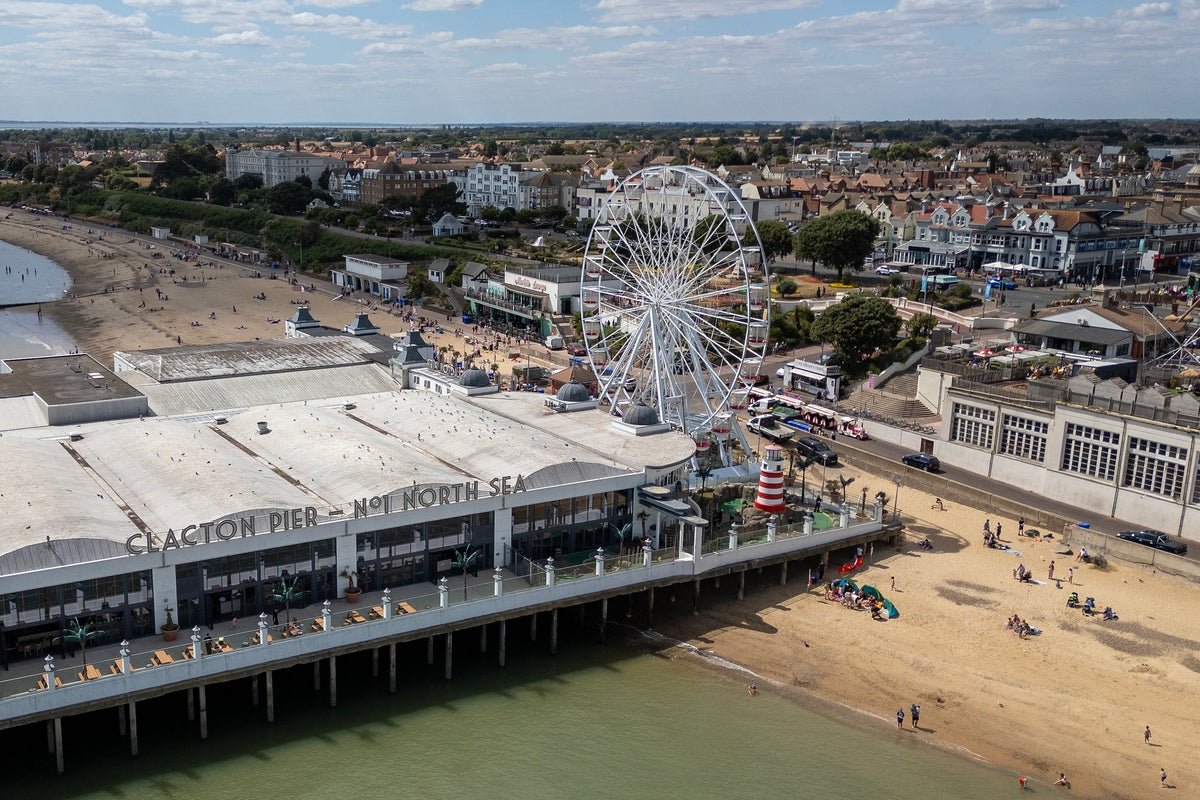
Farage re-elected as MP for Clacton amid criticism and a potential second by-election
Nigel Farage has secured re-election as the Member of Parliament for Clacton, receiving 22,239 votes against a record-breaking 9,455 for his opponent, Count Binface, in a by-election marked by controversy surrounding Farage’s recent scrutiny over financial donations, reports BritPanorama.
The by-election was prompted by Farage’s resignation in the wake of an investigation into a £5 million donation from cryptocurrency tycoon Christopher Harborne, which he received prior to assuming his parliamentary seat. Following his re-election, Farage’s previous suspension from parliamentary duties due to this investigation will now be reassessed.
In his victory speech, Farage proclaimed the results a decisive referendum against the political establishment, stating, “The verdict is now in, and it is a convincing, overwhelming win.” However, the implications of his reappointment could lead to another by-election should the investigation determine any parliamentary rules were violated.
Local sentiment appears divided. Max Barrett, a 19-year-old resident, expressed his discontent with Farage’s fit as representative: “He’s never here. I’ve only seen him on Tuesday and Wednesday when loads of cameras were here,” he said, criticizing Farage for seemingly leveraging opportunistic visits while focusing on anti-immigration rhetoric instead of comprehensive local issues.
Amid this dissatisfaction, some voters still express support for Farage. Sisters Jean Brett, 68, and Susan Hughes, 66, stated their approval is primarily tied to his immigration stance despite reservations regarding his financial transparency. Hughes articulated her concerns as a grandmother worried about her grandchildren’s future, provoking a feeling of vulnerability among some constituents.
The absence of established party candidates due to boycott has also been a contentious point. Several locals like Barrett reflect on the nature of the electoral process, indicating that the refusal of traditional parties to field candidates rendered the election a “joke.” One resident, Ben, articulated similar frustrations, emphasizing, “It’s definitely been a waste of time and a waste of the taxpayers’ money.”
Despite the political theatre, Farage, well-known for his combative style, framed the election as a battle against the political establishment, even as mainstream parties abstained from taking part, with Labour leader Sir Keir Starmer denouncing the by-election as a “desperate stunt.” This left Farage to face a motley collection of fringe candidates.
His decision to skip the official vote count—citing police warnings about credible threats—raised eyebrows, as reports suggest Essex Police had not advised him to stay away. Instead, Farage hosted a celebratory event branded “Farage Fest” where he reiterated his dismissal of established politics, closing with, “I am damned if I am going to stand on a stage… and be demeaned and humiliated by nobodies.”
As responses to Farage’s conduct continue to surface, some constituents feel sidelined in the political process. Resident Sue Wackett lamented the absence of candidates from major parties, asserting, “The outcome was as expected. We felt let down because we didn’t have a candidate that we wanted to vote for.” This sentiment underscores a broader concern about democratic engagement in Clacton, emphasizing the importance of responsive political representation.
With the potential for another by-election on the horizon, the future of Clacton’s political landscape remains uncertain, as do the impacts on local residents’ sentiments toward their elected officials.