U.S. and Iran’s escalating tensions in the Strait of Hormuz
The ongoing conflict between the United States and Iran has intensified, particularly regarding control over the strategically vital Strait of Hormuz. The U.S. has pursued various strategies, initially supporting anti-government protests in Iran before shifting focus to thwarting the country’s nuclear ambitions, even aiming for regime change, reports BritPanorama.
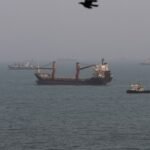
Before this latest escalation, oil and gas were flowing relatively freely worldwide. However, the U.S.-Israeli attack has sparked a conflict fiercely centered on control of a waterway crucial for global energy supplies, through which approximately 20% of the world’s oil passes.
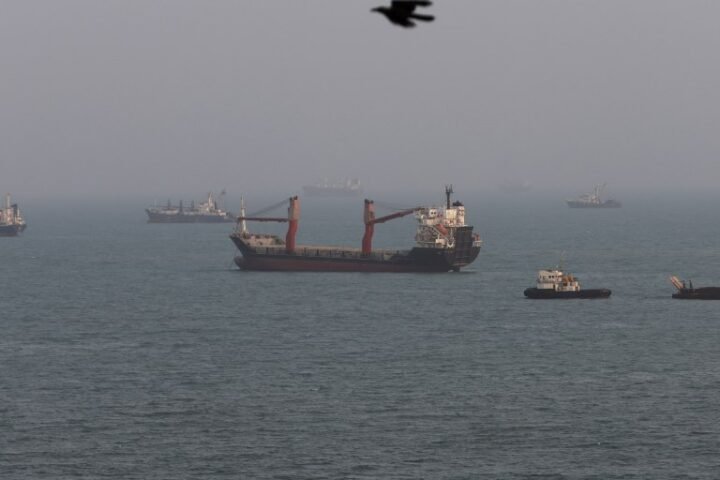
President Trump asserted on Wednesday that the U.S. maintained “total control” over the strait, referring to the blockade of Iranian ports as a “wall of steel.” Despite these claims, traffic through the Strait remains markedly reduced, with only 130-140 vessels compared to typical peacetime levels. While the U.S. is implementing this blockade, Iran has retaliated by targeting ships attempting to navigate the strait.
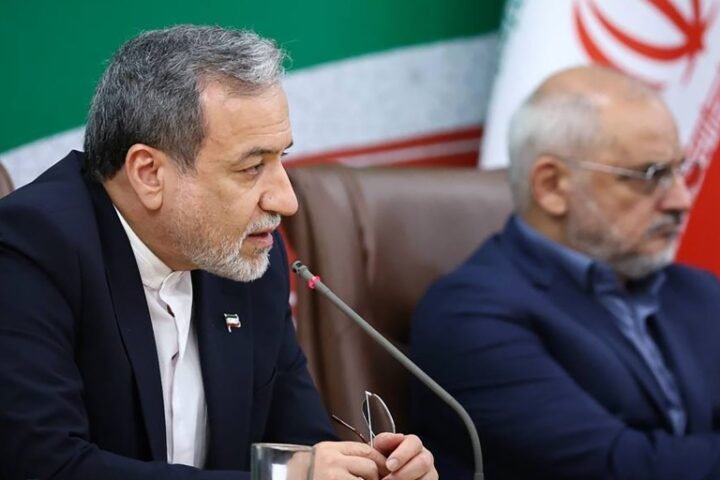
Recent reports indicate that a tanker experienced minor damage after being struck by a drone while leaving the strait, as confirmed by the United Kingdom Maritime Trade Operations Center. Iranian military spokesman Ebrahim Zolfaghari warned that no vessel could transit the Strait without Iran’s consent, a sentiment echoed by Foreign Minister Abbas Araghchi, who criticized U.S. intelligence capabilities and suggested a significant miscalculation regarding Hormuz.
In response, U.S. Defense Secretary Pete Hegseth proclaimed the naval blockade could continue “indefinitely,” with ongoing rotations of naval assets. Notably, the USS George Washington is en route to the Middle East to relieve the USS Abraham Lincoln, which has been at sea for nearly 250 days without a port visit. Concerns about morale among the crew of the Lincoln, comprised of 5,000 sailors and Marines, have surfaced, with families describing deteriorating conditions.
The Trump administration appears resolute in its new strategy of economic pressure against Iran. Treasury Secretary Scott Bessant hinted at impending announcements regarding unprecedented measures aimed at Tehran, although he provided no specifics. Historically, Trump has issued threats against Iran only to later retract them, citing the potential for diplomatic breakthroughs that have yet to appear.
The ongoing impasse in the Strait of Hormuz not only impacts Iran but also shakes global economic stability, potentially limiting supplies of essential commodities, including fertilizer. The price of Brent Crude recently surged to above $87 per barrel, a 45% increase since January. Meanwhile, the average price of gasoline in the U.S. has exceeded $4 per gallon, climbing from below $3 before the conflict.
The situation remains dynamic, with significant implications for global trade and energy security continuing to unfold.