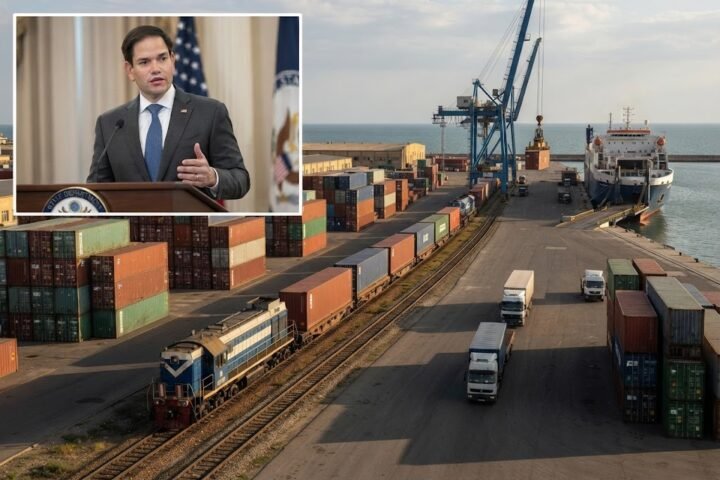
Negotiations aimed at reopening shipping through the Strait of Hormuz have stalled, with Iran demanding conditions including compensation payments before it considers resuming traffic in this critical waterway, reports BritPanorama.
On the U.S. side, President Donald Trump indicated a shift in focus, stating that America will reduce the intensity of its efforts to regain control over the route. He remarked, “We are only semi-negotiating with them. We are just watching Iran with its huge inflation and the fact they have no money,” suggesting confidence that the situation will eventually resolve itself.
Iran’s leadership is currently in talks with Oman to potentially open the Strait, but the six conditions set forth for U.S. compliance complicate matters significantly. These include demands for a permanent cessation of hostilities against Iran and its allies, such as those in Lebanon, Palestine, Yemen, and Iraq, as well as the lifting of sanctions and withdrawal of military forces imposed around the country.
The tense negotiations have contributed to a rise in oil prices, with Brent crude climbing for four consecutive trading days, currently priced at approximately $84 per barrel. U.S. defense firms, meanwhile, have been urged to accelerate munitions production in response to supply shortages arising from the ongoing conflict with Iran.
Yemen’s Houthi group has also intensified military actions, claiming a recent drone strike on Saudi Arabia’s Jazan refinery. Although the Saudi energy ministry reported that the fire caused by the incident was controlled without injuries, this attack adds another layer of stress in the region, etching out a complex tapestry of geopolitical interactions.
In this shifting landscape, President Trump faces mounting pressure domestically and internationally over the absence of a resolution for the conflict with Iran. Detractors, including Senator Chris Murphy, argue that Trump may inevitably have to accept a less-than-favorable deal to bring an end to hostilities as logistical challenges persist in securing a comprehensive agreement.
The landscape remains fraught with tension as the ramifications of these negotiations reverberate across global markets and diplomatic circles. The interplay of military strategy, economic impulses, and regional politics shapes a narrative that continues to evolve with each passing day.
As the situation develops, the stakes for all parties involved remain high, highlighting the significance of the Strait in global trade and security.