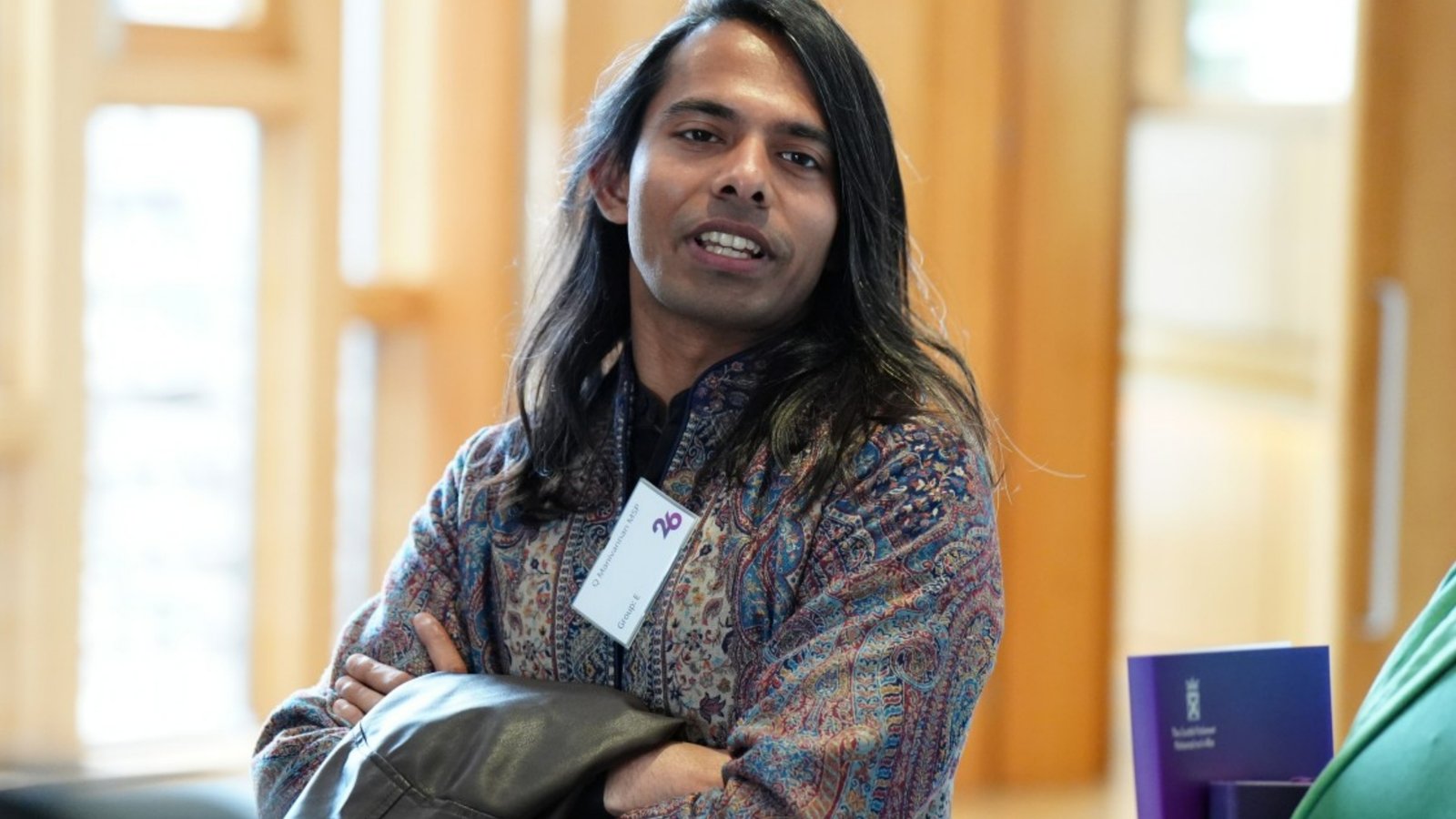
Scottish Greens MSP faces backlash over controversial rape comments
A Scottish Greens MSP has sparked outrage after suggesting there is a “demonisation of rape” and that the topic exists on a “spectrum,” reports BritPanorama.
Q Manivannan, who identifies as transgender, has been met with widespread condemnation, with calls for party leaders to suspend him and initiate an investigation into his remarks. Critics have labelled his comments as “abhorrent,” emphasizing the need for accountability in such sensitive discussions.
The controversy arose from a podcast wherein Manivannan expressed, “I think our distaste towards rape is towards the idea of, and the act of, rape – not towards the myth of this monster rapist as now we’re, you know, born thinking of it that way.” He further articulated that there is a “demonisation” of rape and described it as being on a spectrum, stating, “any individual is capable of rape,” which he deemed a troubling thought that needs addressing.
Following the backlash, various political figures and organisations have voiced their criticism. Nicola Love, representative of Rape Crisis Scotland, asserted, “If anything, rape is not demonised enough,” describing Manivannan’s statements as irresponsible and harmful. Scottish Tories, including MSP Rachael Hamilton, have expressed disgust, and called for the Scottish Greens to distance themselves from such views.
Reform UK MSP Senga Beresford has also demanded that the Scottish Greens “suspend the whip from Q Manivannan with immediate effect to investigate these abhorrent comments,” highlighting the need for the party to clarify its stance against normalizing or trivializing sexual violence.
Manivannan responded to the criticism in a statement distributed by the Scottish Greens, claiming his comments were misrepresented and taken out of context. “As a survivor of sexual violence, who has spoken openly about my recovery, I am clear that we need to focus on reducing the likelihood of perpetrators of rape reoffending,” he stated. He further maintained that his references to a spectrum aimed to critique the narrow legal definitions of rape that can allow for broader implications of the crime to persist without sufficient penalties.
Manivannan’s comments have ignited a significant debate about the responsibility of public figures in discussing sensitive issues such as sexual violence, reflecting ongoing tensions within Scottish political discourse on matters of gender, identity, and societal violence.
In a politically charged environment surrounding issues of sexual violence, the implications of such statements potentially bear wide-reaching effects, both for the individuals involved and for systemic perceptions of consent and accountability. It underscores the complexity of addressing sexual violence in contemporary society, where dialogue must be underpinned by a thorough understanding of legal and social ramifications.