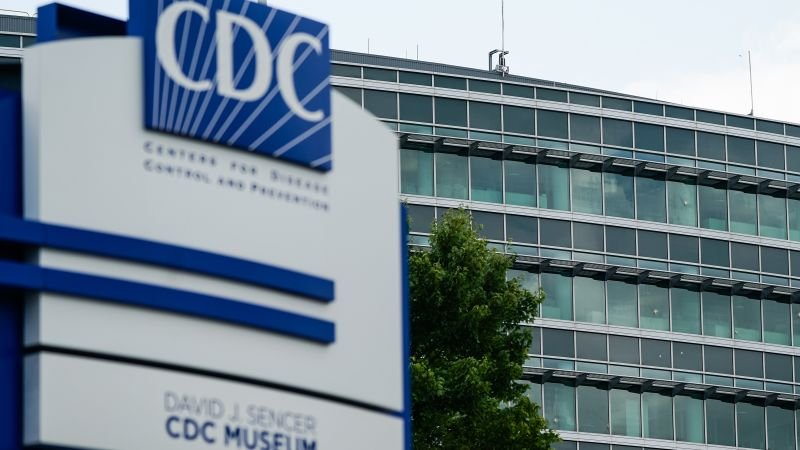
The Centers for Disease Control and Prevention (CDC) in Atlanta experienced a tragic shooting on August 8, 2025, when a man fired over 500 rounds of ammunition from five guns into its campus, leaving one police officer dead and instigating a deep sense of trauma among the staff, reports BritPanorama.
A 30-year-old man, motivated by a belief that COVID-19 vaccines were harmful, targeted the CDC following a series of heated campaigns against the agency. DeKalb County Police Officer David Rose, one of the first responders, was killed during the incident. The shooter later took his own life, as confirmed by the Georgia Bureau of Investigation.
As the CDC prepares to welcome its new director, Dr. Erica Schwartz, confirmed by the Senate this week, many employees reflect on the lasting impact of the shooting a year later. Interviews with current and former staff indicate that deep trauma persists from the day of the attack, with several individuals voicing their ongoing struggles with safety and mental health.
Many employees reported feeling unacknowledged by their leadership regarding the violence they encountered. Concerns remain unaddressed, leading to fears that the agency has not improved in terms of safety since the shooting occurred. Statements from the past year’s tumultuous environment, including significant staff reductions, have compounded the sense of insecurity among those who remain.
The agency lost more than 3,300 employees under the previous administration, and many of its leaders resigned or were dismissed, leaving positions filled by those aligned with the outgoing Secretary’s controversial views on vaccines. This loss of institutional knowledge has contributed to an atmosphere where staff feel vulnerable and unsupported.
Witness accounts reveal that more than 180 bullets struck various buildings on the CDC campus, with employees relying on personal communications and news reports for updates during the lockdown. Many felt isolated without effective communication systems to inform them of potential dangers.
As part of the recovery process, some staff members have sought therapy for post-traumatic stress, and there are ongoing discussions about safety protocols. Despite assurances from leadership, many perceive a lack of adequate response and support for those affected by the shooting.
The leadership’s response post-incident has faced scrutiny, particularly from those who believe that their culture of fear and division made the agency more vulnerable. Some staff members express disappointment at the lack of swift acknowledgments of their experiences and grief, feeling that high-level rhetoric does not align with the realities faced on the ground.
As the agency approaches the anniversary of the shooting, plans for remembrance, including a ceremony led by Secretary Kennedy and a fireside chat with the NIH Director, are met with skepticism from many. There are calls for collective mourning and reflection, which may be overshadowed by ongoing feelings of animosity toward the administration.
The unfolding situation highlights the complexities of institutional safety and mental health within federal agencies, as the CDC navigates recovery in the wake of violence. It remains an urgent reminder of the challenges faced by those dedicated to public health in a turbulent socio-political landscape.