Westminster City Council denies plans to ban vertical drinking
Westminster City Council’s leader has denied any plans to ban “vertical drinking” despite encouraging pubs to replace bar space with tables and chairs, reports BritPanorama.
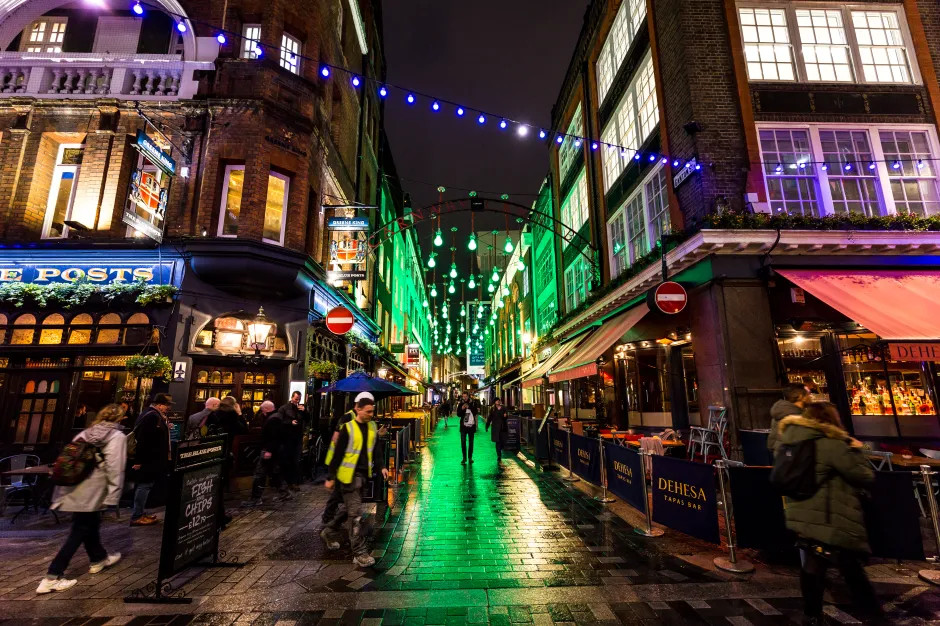
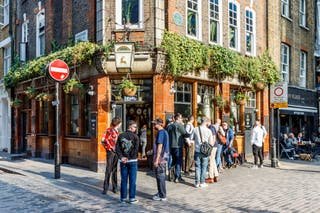
Concerns have emerged among business owners who fear that new draft policies could severely restrict venue space in central London areas, including Soho, Oxford Street, Covent Garden, and the West End. They warn that such changes risk sanitising Soho, potentially driving customers to seek more vibrant drinking spots elsewhere in the capital.
Mayor of London Sir Sadiq Khan also voiced his criticism of the proposals, writing on X that “you can’t run a world-famous nightlife district with a village-hall mindset.” The policies are currently under consultation, with the closing date for feedback set for Sunday, August 9.
The draft statement of licensing policy from Westminster City Council indicates an intention to “discourage excessive drunkenness and encourage the provision of more seating in premises that serve alcohol.” This would promote seated table service instead of open bar arrangements catering to high volumes of vertical drinking.
One proposal, identified as CIP1, suggests that pub, bar, fast food, or music venue licenses should “normally” be refused within the West End cumulative impact zone, which roughly stretches from Oxford Street to Trafalgar Square, encompassing Leicester Square and Soho.
The document suggests that “measures to reduce the extent of, or to remove opportunities for, vertical drinking could address the underlying reasons for the policy.” Paul Swaddle, leader of Westminster City Council, accused the media of producing “confusing stories” related to the proposals, adding, “I want to be straight with people.”
Swaddle emphatically stated, “There is no plan, and never has been, to ban drinking while standing up in a Westminster pub.” In response to Sir Sadiq’s remarks, he expressed discontent, claiming that City Hall’s approach to managing crime in the West End has involved obstructing new license applications.
“Growth is central to everything this administration is doing,” Swaddle affirmed. He highlighted the council’s approval rate, stating, “We approve well over 98% of licence applications, we’ve just backed a 24-hour licence in the West End and a new pub in Covent Garden.” He expressed commitment to encouraging business activity, noting, “That’s growth that keeps this city open for business.”
Sir Sadiq, representing the Labour party, emphasized the importance of London’s hospitality and nightlife sectors, asserting they are vital for jobs, culture, and economic growth. He referenced the English Devolution and Community Empowerment Act 2026, which provides the London mayor with new powers to influence alcohol policies across the capital.
Lesley Lewis, owner of Soho’s French House pub, cautioned that the proposed policies could inadvertently drive patrons to more permissive boroughs, such as Camden. She expressed reliance on customers who enjoy the vibrant atmosphere of Soho, stating, “People want to enjoy themselves in Soho, they want to have a drink outside, they want to dance.”
At 71, Lewis, who has run her venue for 37 years, added, “I don’t think people will come to Soho if it’s that sanitised, it’ll kill it.” She underscored the integral role the bar plays in supporting the restaurant’s viability, warning that significant job losses could result from such policies.
A spokesperson for the Soho Business Alliance voiced concerns that the council is attempting to reduce capacities in venues, arguing that vertical drinking does not contribute to crime or issues in the area. “They’re trying to change the nature of Soho, which is quite sad,” the spokesperson remarked, noting the contradiction between the proposed policy and the mayor’s London Plan.