President Donald Trump stated that a deal on the Strait of Hormuz could be finalized as early as Wednesday, as Iran and Oman progressed towards an agreement to reopen the essential waterway, potentially aiding in the resolution of the ongoing conflict, reports BritPanorama.
The situation surrounding the strait has escalated, with Iran’s actions threatening to halt vital shipping channels. Initially, Israel and the U.S. aimed to dismantle Tehran’s regime and halt its nuclear ambitions. However, the conflict has shifted focus towards the strait itself, with Iran’s military aggression causing significant shipping disruptions.
Closure of the strait, which previously accounted for one-fifth of global oil and natural gas transit, has led to rising prices for fuel and essential goods, significantly impacting the broader economy. Concurrently, Trump faces increased pressure to conclude an unpopular military engagement ahead of the forthcoming midterm congressional elections.
Trump says deal to reopen strait is close
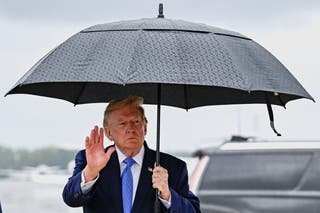
During a press interaction in California, Trump addressed speculation regarding a potential announcement on the Strait of Hormuz, affirming, “It could happen. Tomorrow or the next day.” He noted substantial advancements in the negotiations.
Oil prices showed signs of easing on Wednesday, buoyed by optimism surrounding a potential agreement that would restore shipping operations. Brent crude, the benchmark for international oil, dipped 1.2% to $78.43 per barrel early Wednesday.
Despite previous agreements reached in June, hostilities have resurfaced, with Trump oscillating between issuing threats of significant military responses and advocating for diplomatic solutions.
Ships attacked in Red Sea and Strait of Hormuz
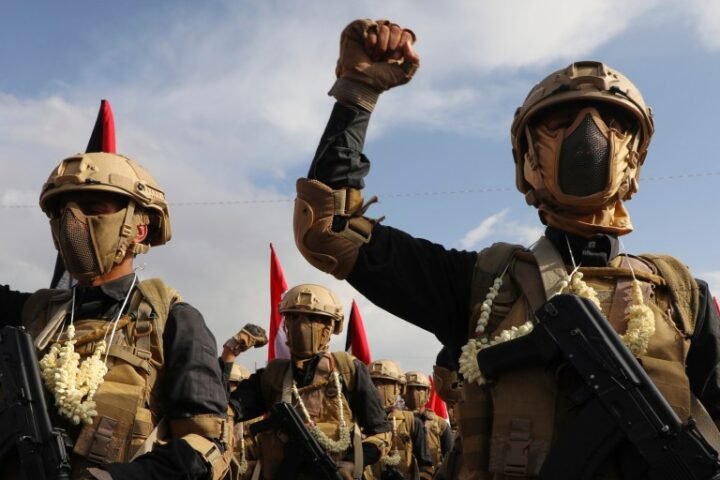
Amidst increasing hopes for a deal on the Strait of Hormuz, maritime attacks in the region persist. Reportedly, Iranian-backed Houthi rebels claimed responsibility for launching ballistic missiles towards a Saudi oil tanker, the Wafa, in the Red Sea. Brig. Gen. Yahya Sare, a spokesperson for the Houthis, disclosed that the vessel was targeted in the northern Red Sea near Yanbu, though no evidence was provided for the claim.
In a separate incident, an Indian-flagged cargo ship sank in the Red Sea following an attack by an explosive-laden vessel. The Yemeni coast guard successfully rescued the crew, which included 13 Indians and one Yemeni national, with no immediate claims of responsibility for the incident.
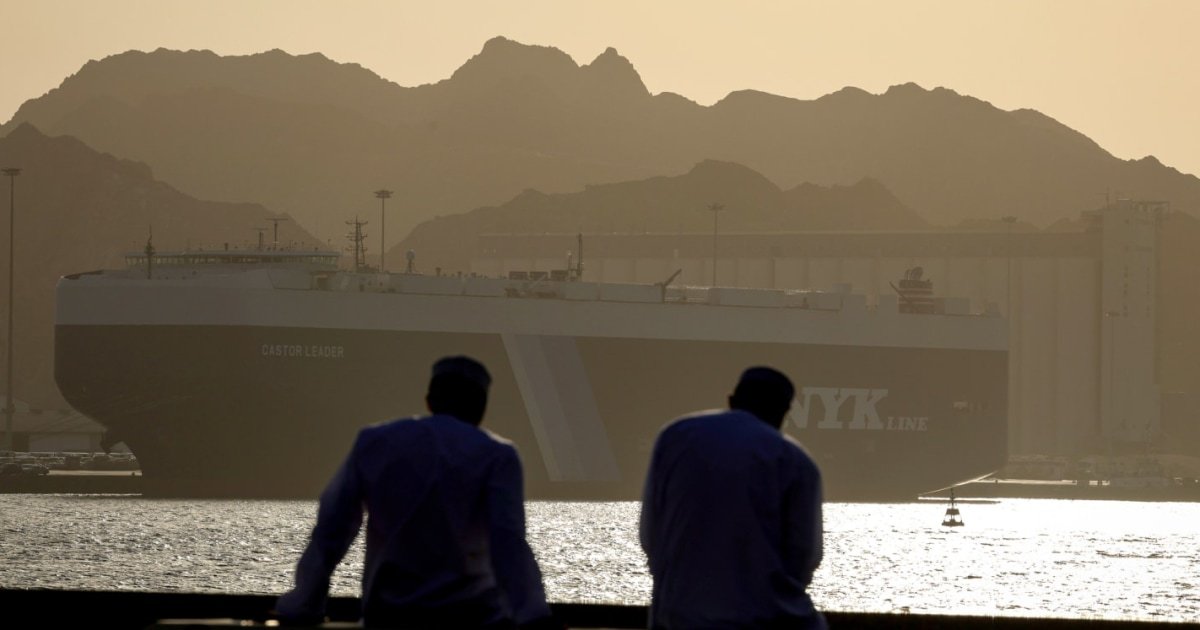
Earlier, a cargo ship reported being damaged by an “unknown projectile” while navigating the Strait of Hormuz. The British Maritime Trade Operations Center indicated the vessel was hit around 2 a.m. local time, approximately 23 miles northeast of the Omani port of Al Khasab.
Negotiations between Iran and Oman point towards an agreement involving routes managed by both nations. Officials noted that ships would enter the Persian Gulf via an Iranian-controlled path and exit through an Omani-controlled route, with fees expected for security and environmental preservation.
The Trump administration has historically rejected any arrangements that would grant Iran authority over the strait, an international waterway that has witnessed substantial reductions in shipping activity due to Iran’s incursions since the latest conflict’s inception.
In a recent statement, Trump reiterated his stance against imposing tolls in the strait, asserting, “I’m not going to let them charge. If anybody’s going to charge, we’ll charge.”
U.S. and Iranian officials say progress is being made
Iranian Foreign Ministry spokesman Esmail Baghaei confirmed that discussions with Oman are centered on “establishing safe inbound and outbound shipping lanes,” while respecting both nations’ sovereignty and national security needs. Baghaei remarked that the results of these negotiations would be announced upon conclusion.
U.S. Secretary of State Marco Rubio acknowledged progress but noted that no final agreement has been achieved yet. Rubio previously stated that any accord allowing Iranian control over the strait would set a perilous precedent globally.
U.S. Treasury Secretary Scott Bessent indicated that the prospects for a deal are alive, suggesting that a resolution could occur imminently to facilitate reopening the waterway and moving towards a more stabilized relationship in the region.
As the dialogue continues, Trump emphasized that these are critical negotiations for Iran, suggesting, “It’s their last chance” to reach an agreement and avert further military escalations. Iran maintains that discussions are solely between it and Oman, denying negotiations with the U.S.
Notably, Trump mentioned that the agreement’s first phase revolves around the opening of the strait, with subsequent steps aimed at denuclearization, a process he cautioned would take time.