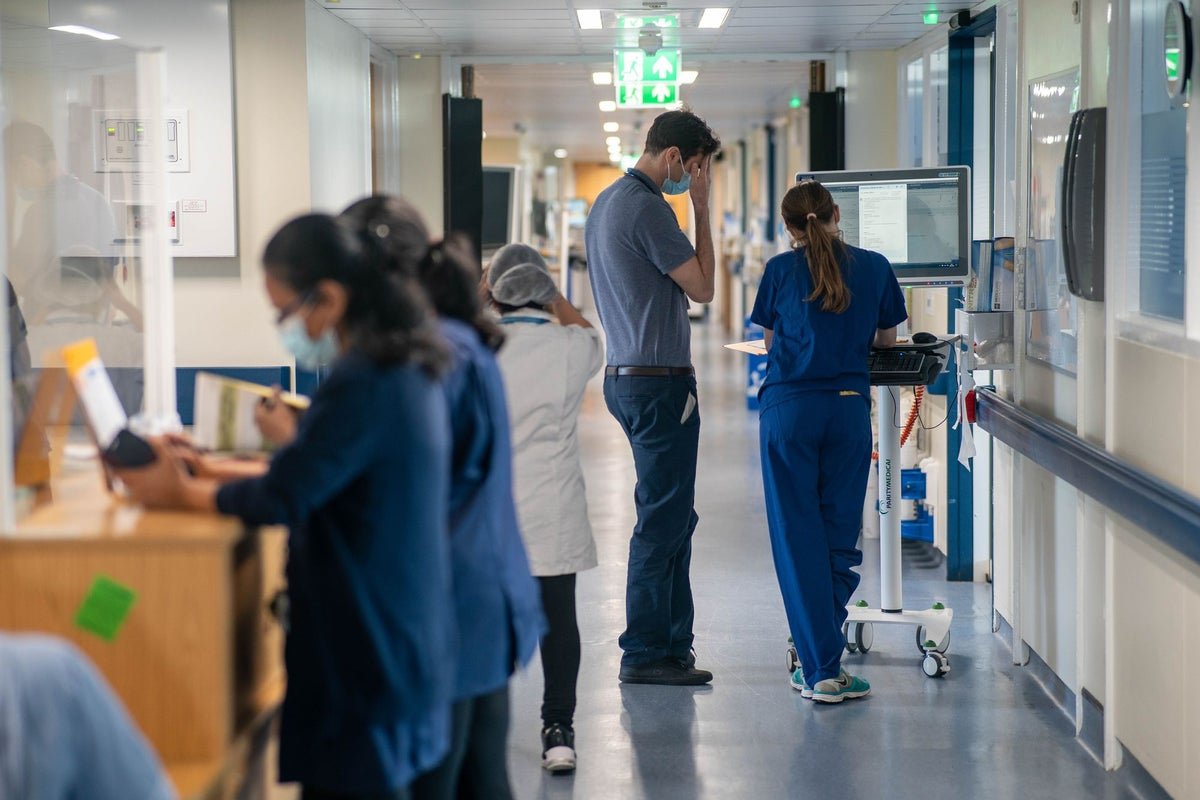
Rise in racist incidents reported within NHS healthcare settings
Racism within the NHS is reportedly on the rise, with staff subjected to vile abuse including being called “monkeys” and patients refusing treatment from non-white healthcare professionals, reports BritPanorama.
Experts, including the Society of Radiographers (SoR), have highlighted a “noticeable” increase in racist incidents from patients over the past 18 months. This abuse includes derogatory terms such as “dirty foreigners” and xenophobic comments about “people coming over here, taking our jobs”.
A recent poll of SoR members disturbingly revealed that some staff feel compelled to “accept” such racist remarks as an unavoidable part of their job.
Dean Rogers, executive director of industrial strategy and member relations, stated: “The rise in incidents of racism over the last year and a half is unconscionable and unacceptable – and it’s a poor reflection on us as a society.” He added that the NHS has a diverse workforce, which is one of its strengths and that discrimination, harassment, racism, bullying, or intimidation—expressed verbally or in behaviour—has no place in the NHS.
The SoR is calling for the NHS to record incidents of racism and monitor their resolution. Comments from SoR members included reports of patients complaining about staff based on their skin colour and even refusing care on racial grounds.
One worker noted: “Some patients always complain because of the colour of skin of people attending them.” Another described patients not acknowledging them but directing questions to junior staff instead.
Additionally, a sonographer recounted a patient who refused to let a colleague scan his pregnant wife due to ethnicity, stating: “I don’t want anyone from any ethnic background touching my woman.”
Another incident involved a patient who arrived for a chest X-ray but refused to let a black radiographer conduct the procedure, claiming: “Black people frighten me.”
A therapeutic radiographer in Yorkshire remarked on how affected staff members seemed to have become resigned to these incidents, feeling they had no choice but to tolerate such behaviour.
Paul Awah, a diagnostic radiographer originally from Nigeria, discussed experiences where patients claimed they could not understand him, despite him only speaking English clearly. He shared instances where patients have questioned his professional capability based solely on his race.
Similarly, a sonographer of Asian descent reported an increase in patients expressing nationalist sentiments, stating: “This country isn’t the same, with all those people coming over here, taking our jobs.”
Mr. Awah further commented on the worsening situation, saying, “It’s definitely got worse – people are more expressive now.” He noted a change in societal rhetoric where immigrants are blamed for various national issues.
Rogers indicated that such racist behaviours undermine patient care and contradict the shared values of integrity, equity, courtesy, and openness. The SoR has stressed the need for commitment to accountability in addressing issues that make the NHS an unsafe work environment.
Recent NHS Staff Survey figures published in March reveal that 9.26 per cent of staff reported experiencing discrimination in the past year from patients, the highest rate in five years, up from previous years’ figures.
Thomas Simons, chief human resources and organisational development officer at NHS England, asserted that racist abuse towards NHS staff is completely unacceptable and that NHS organisations must take meaningful actions to prevent such incidents, support affected staff, and impose clear consequences for patients who engage in racial abuse.
The troubling increase in reported incidents underscores the urgent need for systemic change within the NHS, highlighting patterns that reflect broader societal attitudes towards race and diversity in Britain.