Court case opens against South Africa’s controversial land expropriation law
JOHANNESBURG — A court case opened challenging South Africa’s controversial new law that allows the government to seize private land, reports BritPanorama.
The Expropriation Act was signed into law by President Cyril Ramaphosa last year as part of the government’s efforts to address the effects of land dispossession and economic inequality stemming from decades of white minority rule in South Africa that ended in 1994.
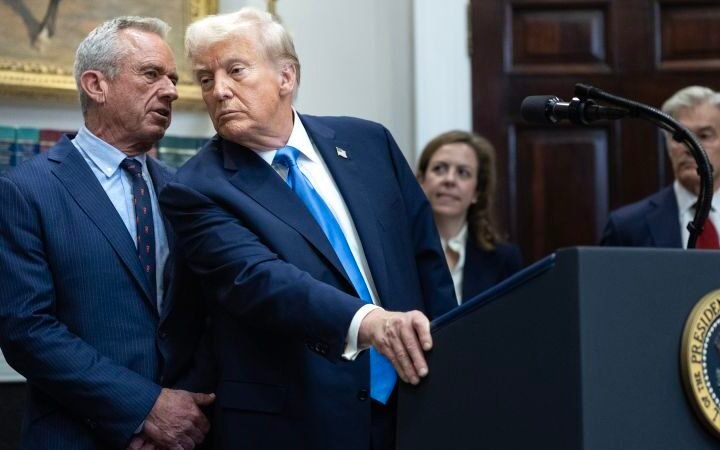
U.S. President Donald Trump has criticized the law, claiming it will target white farmers for land seizures and citing it as a reason for the U.S. to withdraw all financial aid to South Africa and impose high trade tariffs. The South African government, however, denies these assertions, stating that the law aims to promote the productive use of unused land.
The Democratic Alliance, a political party now part of the country’s unity government, has teamed up with lobby groups to contest the law in the Western Cape High Court. Lawyers for these groups argued that the law violates the South African Constitution’s protections of private property and prohibits expropriation of land without compensation.
As proceedings unfold throughout the week, the timeframe for judges to deliver a ruling remains uncertain, with outcomes potentially taking weeks or months.
The law permits the South African government to expropriate land from private parties if it serves the public interest and allows for seizures without compensation if reasonable settlement negotiations fail. The government maintains that the law does not support arbitrary land confiscation.
Other parties involved in the case include the Institute for Race Relations, which contends that the law inadequately protects landowners’ property rights, along with the Afrikaner lobby group AfriForum.
Afrikaner farmers are descendants of Dutch and other European colonial settlers who arrived in the region over 300 years ago. The Trump administration has offered asylum to Afrikaners claiming persecution.