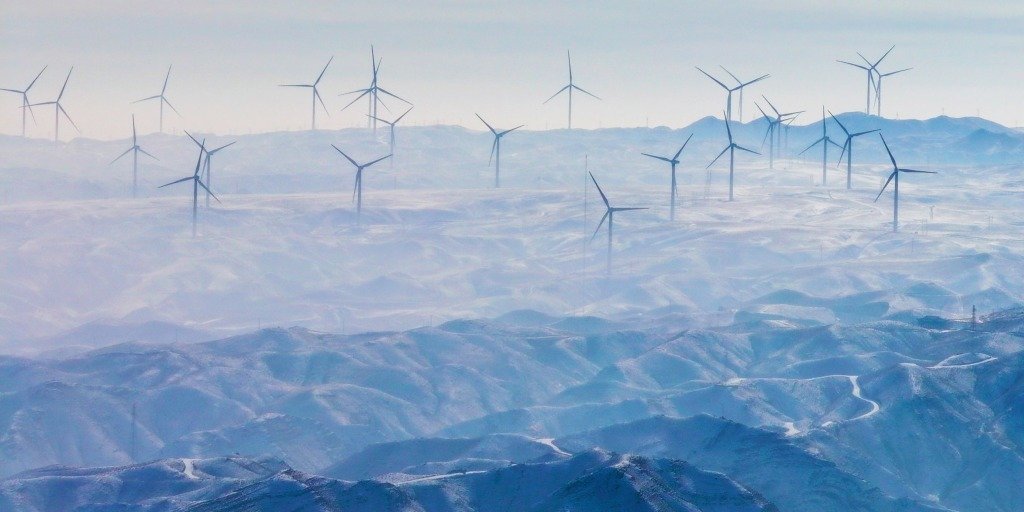
China’s renewable energy growth outpaces coal consumption
BEIJING — China’s shift towards renewable energy has reached a significant milestone, with the country generating less than 50% of its electricity from coal for the first time in the first half of 2025, reports BritPanorama.
According to Xing Yiteng, deputy director general of the energy administration’s development and planning office, coal’s share of the power mix fell to 49.7%. This decline aligns with China’s ongoing push to transition to cleaner energy sources.
Renewable energy’s contribution surged to 41.2%, exceeding the 40% threshold for the first time, while wind and solar collectively accounted for 24.6% of the total energy output. The remainder of the mix is made up by natural gas and nuclear energy.
Despite the decrease in coal’s proportion, analysts caution that the actual consumption of coal may increase this year, driven by rising power demand. Factors contributing to this demand include the growing number of electric vehicles, the expansion of AI data centers, and an uptick in exports. China’s planners have earmarked 2030 as the deadline for peak coal consumption.
The country aims to elevate wind and solar energies to 30% of its power generation mix by 2030. However, Gao Yuhe, Greenpeace East Asia’s project manager, suggests that this target may be reached as early as 2028, propelled by advancements in rooftop solar installations paired with battery storage.
“Storage, together with demand response and more flexible electricity markets, will enable much higher penetration of distributed solar and help meet growing electricity demand with renewable energy rather than fossil fuels,” she noted.
China’s reliance on coal remains significant compared to other major economies due to its vast coal reserves and limited natural gas resources. For context, coal constituted only 17% of U.S. utility-scale power generation in 2025, with natural gas representing 41%.
Nevertheless, China’s coal dependency is still lower than in India, where coal and lignite comprised approximately 69% of power generation last year.
The evolving energy landscape in China highlights a complex balancing act as it navigates energy demands and environmental commitments, reflecting broader trends in global energy consumption.