Labour overtakes Reform in latest polls
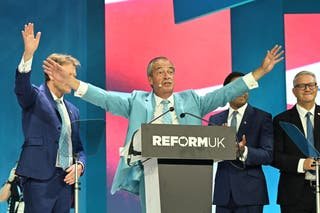
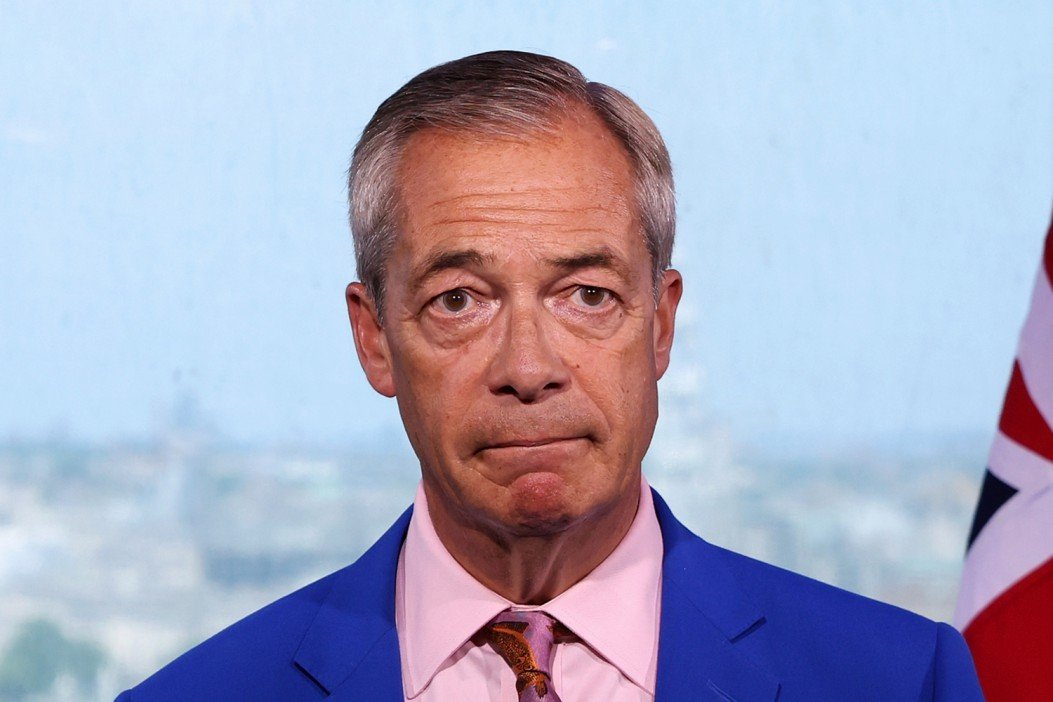
Labour has surged to 28 percent in recent polling, overtaking Reform, now at 24 percent, which marks their lowest level of support since April 2025, reports BritPanorama.
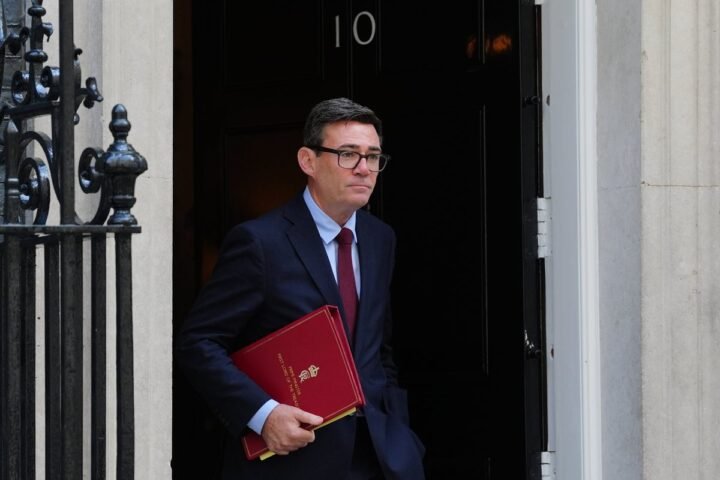
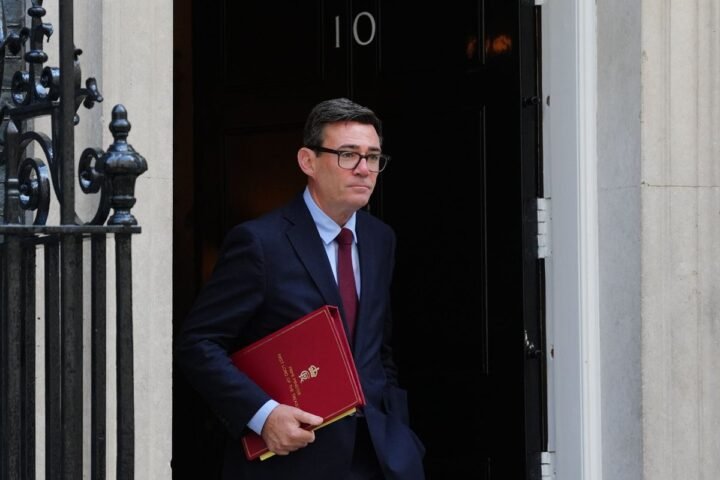
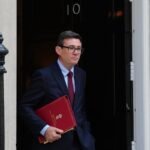
This drop for Reform coincides with the ascendance of new Prime Minister Andy Burnham, who has only been in office for a week. Kemi Badenoch’s Conservatives trail with 22 percent, resulting in a tightly packed race among the three main parties.
In his initial comments as Prime Minister, Burnham cautioned against getting “carried away” by early polling. “I wouldn’t get carried away by any, by any poll. I’m pleased to have kind of made a start where hopefully I’ve connected with people and I am talking a lot about Britain believing again and getting its hold back,” he stated.
Further addressing the public sentiment, Burnham highlighted the importance of national pride, specifically referencing support for Ukraine and the capabilities of the British armed forces. He expressed a desire to renew public positivity regarding the UK’s role on the global stage. “I think maybe we’ve, I don’t know, lost the bit of that positivity in recent times. And I am on a mission to bring it back,” he asserted.
Polling firm More in Common conducted the analysis, noting that the recent surge for Labour follows a week of high-profile policy announcements and media engagements. “It’s only been a week since he entered office, but it’s clear that momentum is on the Prime Minister’s side,” said Luke Tryl, a representative for the firm.
He added, “With all the caveats that it’s just one poll, Labour now leads for the first time since March of last year, and holds their highest vote share since the early months of this government in 2024.” Meanwhile, the Greens, led by Zack Polanski, have experienced a dip, recording their lowest share of the vote since October at just 8 percent.
A separate YouGov poll indicated a neck-and-neck race between Reform and Labour, with both parties at 22 points each, highlighting the fluid nature of UK politics as the landscape evolves.
The political dynamics in the UK continue to shift dramatically as new leadership and public sentiments intertwine, raising questions about future policy direction and electoral outcomes.