Chancellor John Healey announces plans for increased defence spending
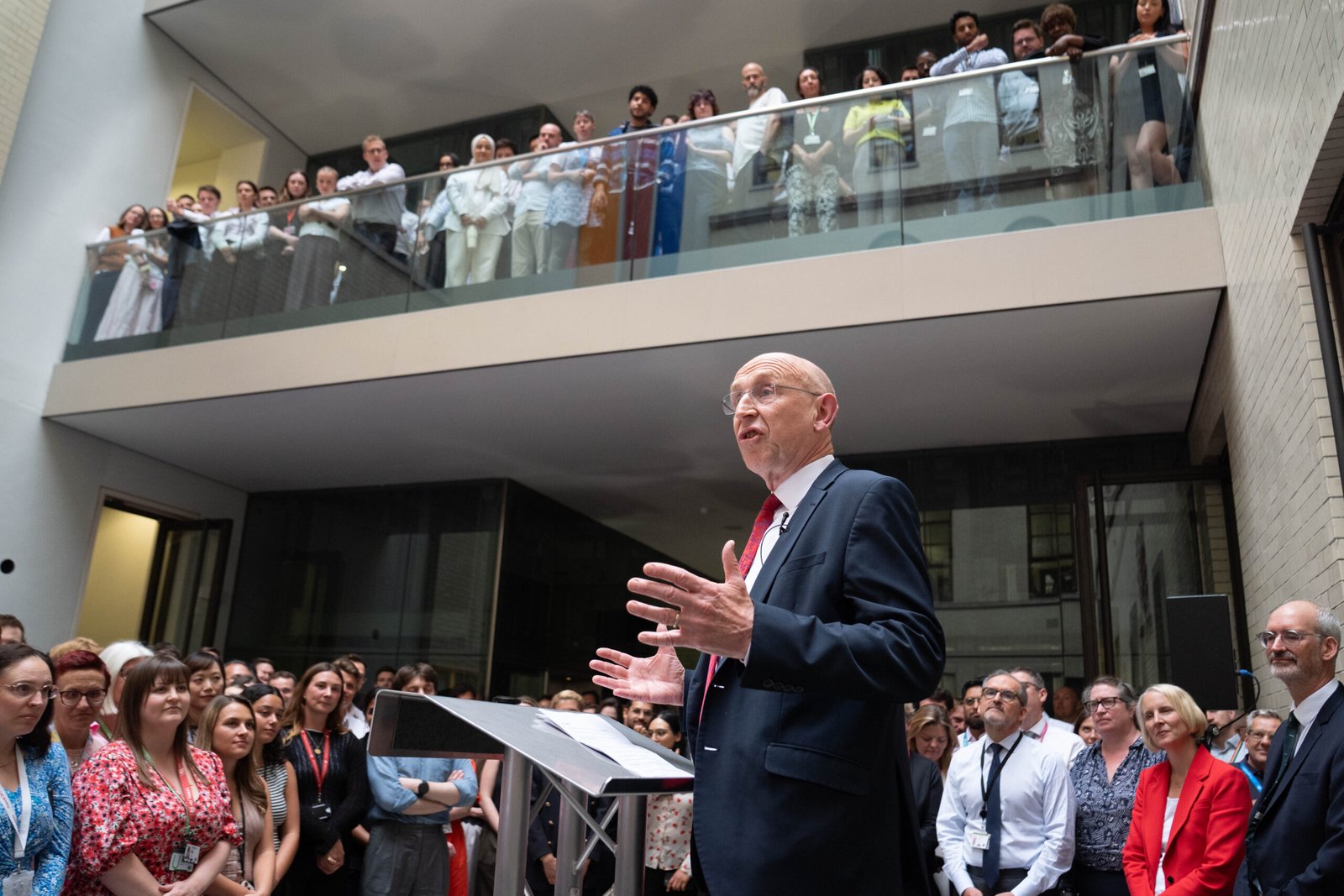
Chancellor John Healey today signalled intentions to secure billions more for defence spending, highlighting the government’s commitment to national security, reports BritPanorama.
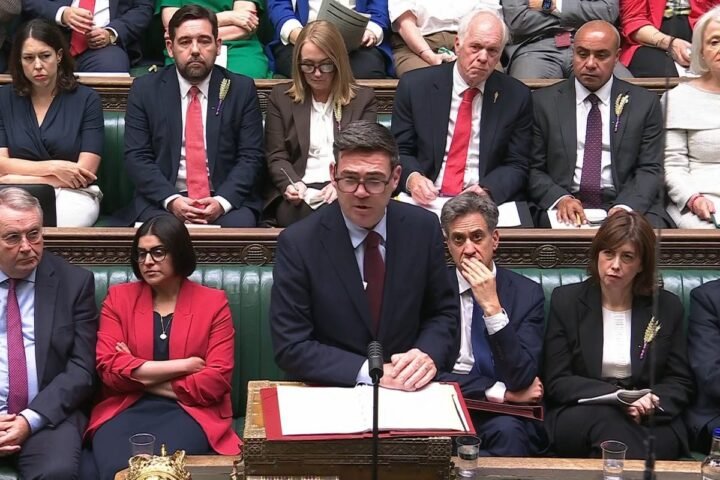
In his first interview since being appointed as Treasury chief under Prime Minister Andy Burnham, Healey stated that it is the “first duty of any government” to ensure the safety of its citizens. This marks a shift in focus for the new government, which has faced scrutiny for its approach to defence funding in recent months.
He indicated that increasing defence expenditure will be a top priority, seeking to fulfil commitments to international allies. “I have argued for many years – and Andy Burnham has said the same – that the first duty of any government is to keep the country safe and protect our citizens,” Healey remarked. Both he and Burnham have expressed a firm commitment to defence spending amid rising global security concerns.
Britain’s defence budget is projected to rise to 2.7 per cent of national income (GDP) by the end of the decade, with plans to elevate this to 3.5 per cent by 2035, requiring an additional £25 billion allocated to military funding, according to the Resolution Foundation. This funding is deemed essential to meet military capabilities and commitments.
When questioned about the potential timeline for achieving a 3 per cent defence spending target by 2030, Healey stated it was too early to discuss specifics. However, he suggested that efforts will be made to align Britain’s funding with military targets, emphasising the necessity of properly budgeting any increases in military expenditure.
Healey did not clarify whether this funding increase would be sourced from new taxes, borrowing, or potential cuts in other areas but maintained that “fiscal credibility is the bedrock not just of economic stability, but it is also critical for our national security.” He reaffirmed the new Cabinet’s commitment to the Labour manifesto tax triple lock, which pledges not to increase income tax, VAT, or employee NICs.
Additionally, there are indications that the government may consider participating in the Canadian defence investment bank project to finance military initiatives, a proposal that Healey previously endorsed as Defence Secretary but was blocked by the former Treasury under Rachel Reeves.
Wes Streeting, the new Defence Secretary, is reportedly supportive of engaging with the Defence, Security and Resilience Bank (DSRB), which aims to assist countries in financing new defence projects at competitive rates. This reflects a broader strategy to enhance military capabilities while ensuring fiscal responsibility.
As the UK government reassesses its defence priorities, the discussions around funding illustrate a growing awareness of global security needs and the implications for national policy moving forward.
The evolving landscape of defence spending in the UK reinforces the importance of strategic financial planning, especially as geopolitical tensions influence security commitments.