IOC declines to investigate Gianni Infantino over Trump-related allegations
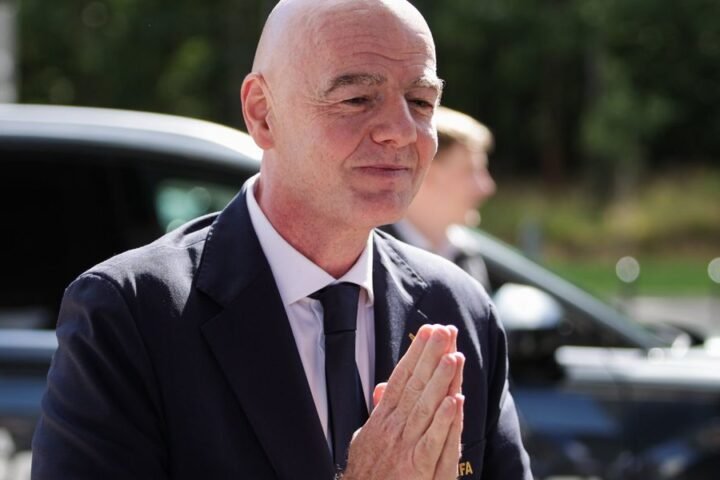
The International Olympic Committee (IOC) has decided not to pursue an investigation into FIFA President Gianni Infantino following allegations of a breach of Olympic rules regarding political neutrality during his engagement with U.S. President Donald Trump, reports BritPanorama.
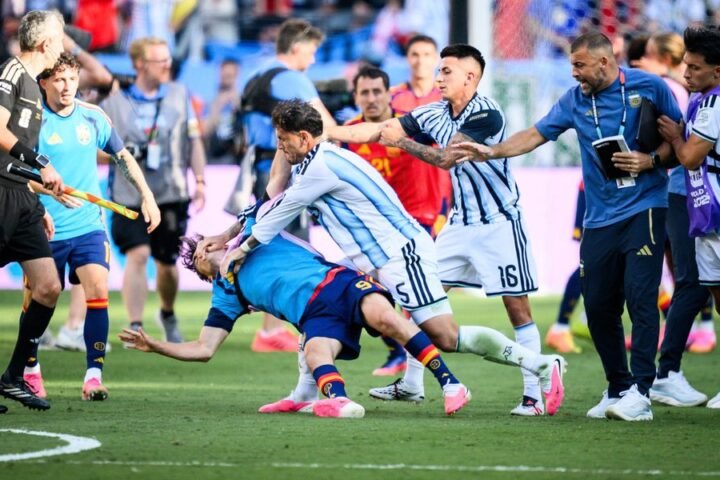
The complaint was submitted by human rights group FairSquare, which pointed to Infantino’s decision to rescind Folarin Balogun’s red card after President Trump requested a review. This request raised concerns about potential political interference in sporting governance.
While Infantino holds membership within the IOC, a spokesman for the organisation clarified that the focus of the complaint pertains to FIFA’s internal decisions, thus placing it outside the IOC’s jurisdiction. “The IOC ethics commission thoroughly analysed the complaint by FairSquare,” the spokesman noted.
The review highlighted that per the Olympic Charter, international federations like FIFA maintain independence in their governance and that the IOC’s Code of Ethics is limited in its application. The complaint’s reference to the governance and management of FIFA, including its relations with governmental authorities, is outside the scope of the IOC’s ethical framework.
FairSquare has been informed of the IOC’s determination. Moreover, the IOC has reaffirmed its commitment to enhancing governance across the Olympic Movement and clarifying the roles and responsibilities of its various constituent bodies.
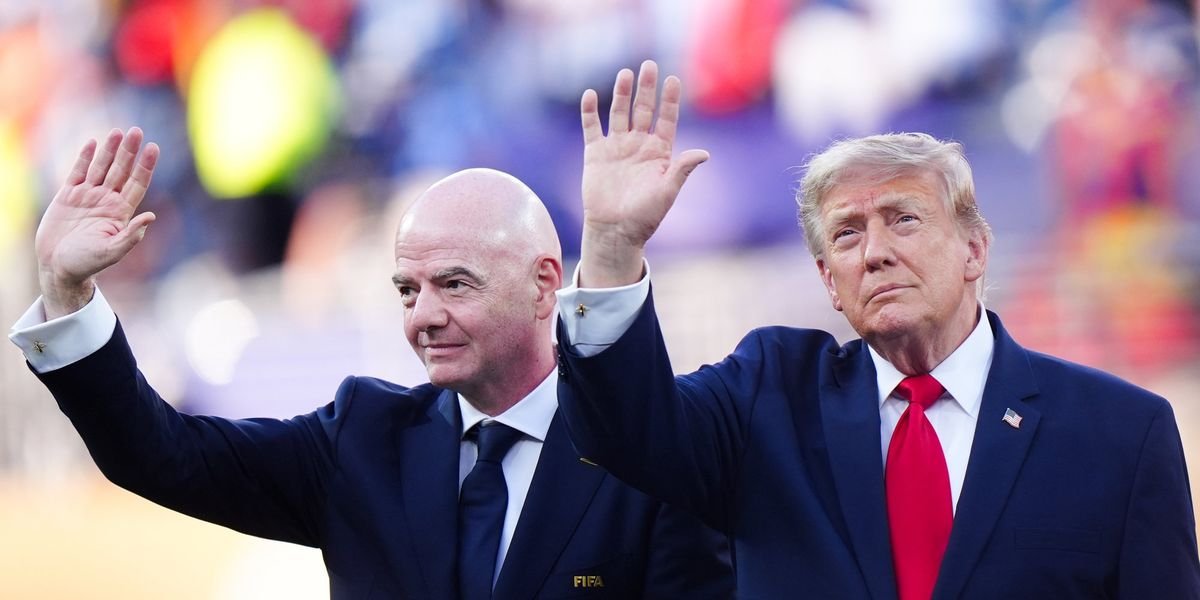
Infantino was present at the recent World Cup final alongside Trump, who faced boos upon arriving at MetLife Stadium but later praised the event’s organisation, describing it as a “spectacular success.” On social media, Trump expressed gratitude towards all involved, highlighting the significant contributions of FIFA and law enforcement in ensuring a safe championship.
Looking ahead, the next World Cup, which will take place across multiple countries, may see an increase in participant teams to 64, expanding on this year’s 48-team format. This proposed expansion has garnered support among influential figures in the sports community, although it remains to be officially confirmed.
As fresh discussions abound regarding the future of the World Cup, they serve as a reminder of how easily the worlds of sport and politics intertwine, with the decisions of organisational leaders continuously scrutinised under the lens of public interest.