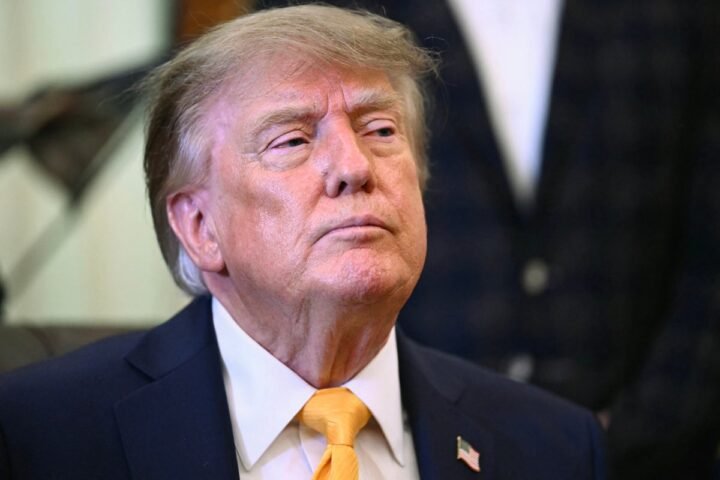
Donald Trump has imposed new tariffs on 60 countries including the UK, replacing a 10 per cent global levy that was set to expire. The new tariffs stem from claims that these countries have not adequately enforced bans on items produced by forced labour, reports BritPanorama.
The Supreme Court previously blocked attempts by the Trump administration to enact aggressive trade policies, yet temporary tariffs have now been instituted for 150 days. Such measures reflect ongoing tensions in international trade, particularly regarding the United States’ economic strategy under Trump’s leadership.
The administration asserts that the levies address the “failure to impose and effectively enforce a prohibition on the importation of goods produced with forced labour,” citing investigations by the Office of the United States Trade Representative.
While the new tariff regime maintains a 10 per cent duty on goods imported from the UK to the US, it introduces product exemptions, altering previous practices for specific sectors. In 2024, UK exports to the US were valued at £66 billion, constituting 17 per cent of total UK goods exports, making the impact of these changes particularly significant.
Amidst this backdrop, exceptions have been carved out for whisky and medical products. The Scotch Whisky Association highlighted the considerable financial strain that tariffs had imposed, estimating losses of approximately £4 million weekly prior to tariff removal. The organisation’s international director, Ian Duddy, welcomed the tariff-free status as beneficial for businesses across both the UK and US.
Similarly, the removal of the 10 per cent tariff on medical equipment, which had previously added £12 million in supply chain costs, opens opportunities for more competitive pricing in the US market. However, it remains evident that the larger economic burden falls on US importers and consumers, whose costs may increase.
The Trump administration’s intention with these tariffs is not merely fiscal but is also aimed at reshaping consumer behaviour by fostering a greater demand for American-made products. The immediate consequences for UK households might be subdued, yet the decision to cement these tariffs suggests a long-term economic recalibration is necessary.
UK physical goods exports to the US saw a notable decline of 10.3 per cent from 2024 to 2025, resulting in a significant loss of £6.8 billion. This shift transformed the UK’s trade surplus into a deficit, illustrating the complexities of transatlantic trade relations.
In response, a government spokesperson reassured that the tariff rate for UK businesses remains unchanged, emphasizing the commitment to addressing forced labour concerns within global supply chains. The statement underscored the recognition of the measures the UK is taking in combating human rights violations, ensuring that no additional tariffs would apply as a result of Trump’s latest announcement.
This evolving economic landscape continues to highlight the intricate ties between the UK and US, where trade policy directly influences market conditions on both sides of the Atlantic.