Andy Burnham’s cabinet reshuffle marks a decisive start
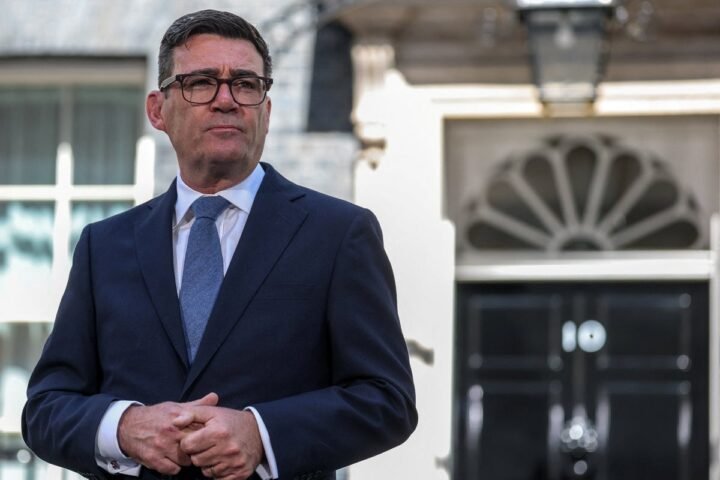
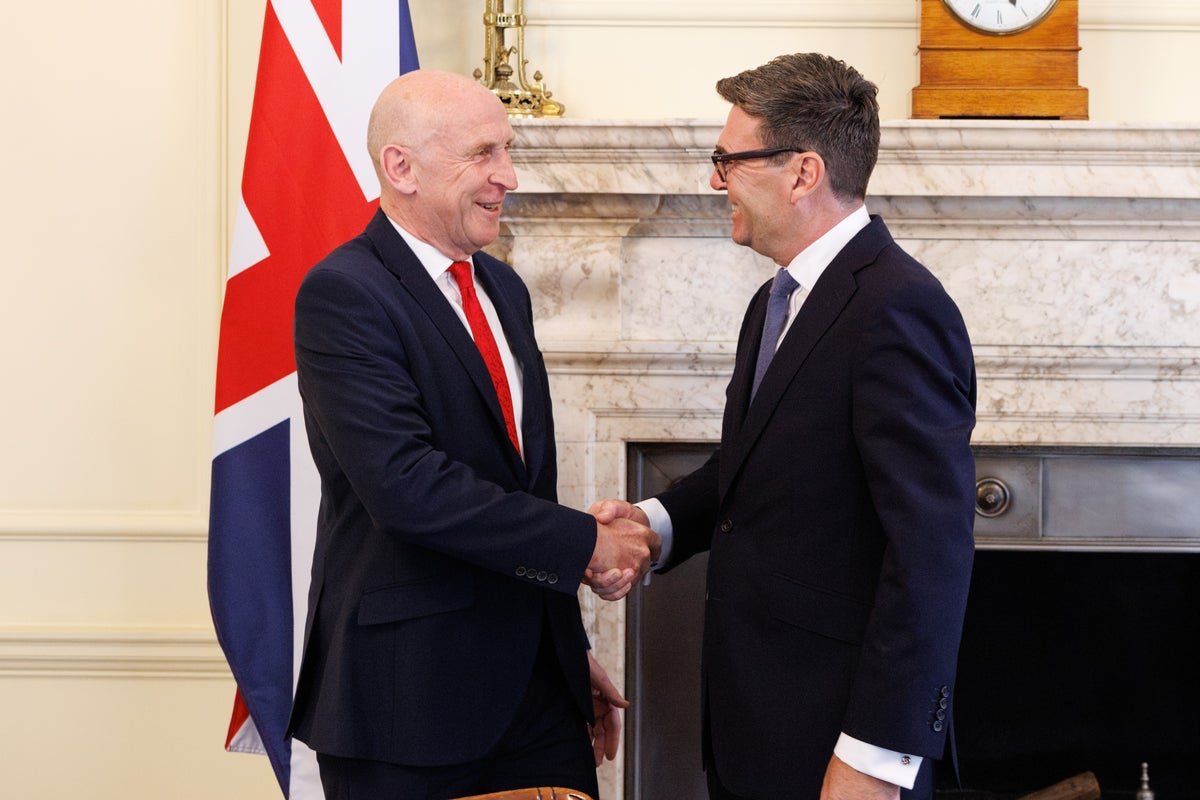
Andy Burnham, who took over as prime minister promising a “circuit breaker” for British politics, has embarked on an aggressive cabinet reshuffle, sacking over nine ministers associated with his predecessor, Sir Keir Starmer. Notable figures including David Lammy, Darren Jones, Rachel Reeves, and Peter Kyle were removed, while others like John Healey received unexpected promotions, reports BritPanorama.
John Healey has emerged as a significant winner in this reshuffle, stepping in as Chancellor of the Exchequer. His appointment is particularly striking, given prior speculation that Shabana Mahmood or Ed Miliband might assume that role. Healey’s past departure from Starmer’s government over defence spending matters raises questions about how he will align his new position with the government’s priorities.
Previously critical of the Treasury, Healey’s new appointment indicates a possible pivot towards greater military funding under Burnham’s leadership. The move suggests that the government may prioritise defence spending more heavily than before.
Ed Miliband also received a key role, being named Foreign Secretary. Although not as high-profile as Chancellor, this position remains one of the UK’s four great offices of state. Miliband’s appointment is seen as a strategic move, especially considering Burnham’s plans for a transformative roadmap within the Foreign Office, including a potential return of the UK to spending 0.7 percent of GDP on international aid.
Louise Haigh returns to government as First Secretary of State, Chancellor of the Duchy of Lancaster, and minister for the Cabinet Office, following her earlier resignation over a fraud conviction. Her return signals continuity of support from Burnham, given her close ties to his political ascent.
Angela Rayner’s resurrection as Housing Secretary also underscores a notable shift within the government. Cleared of wrongdoing by HMRC, Rayner has been re-integrated into the cabinet nearly a year after her resignation over tax issues, suggesting a readiness to re-engage with key policy areas.
Conversely, Rachel Reeves announced her departure from government, expressing pride in her previous role as Chancellor. Though some allies claim she declined a subsequent position, the nature of the reshuffle makes her exit seem more forced than voluntary.
Significant figures from Starmer’s administration such as Lord Richard Hermer and Steve Reed also confirmed their exits, highlighting a complete restructuring of the cabinet. Their departures reflect the decisive shift in political strategy under Burnham’s leadership and the broader reconfiguration of the Labour Party under new management.
Overall, this reshuffle marks a pivotal moment in British politics, particularly for a Labour Party that once appeared divided. The emphasis on appointments aligned more closely with Burnham’s vision indicates a focused strategy to reshape governmental priorities. As the dust settles, it remains to be seen how these changes will impact the broader political landscape.