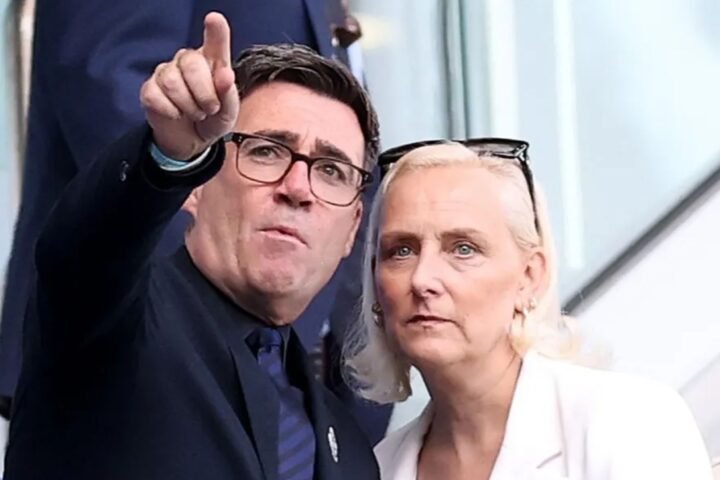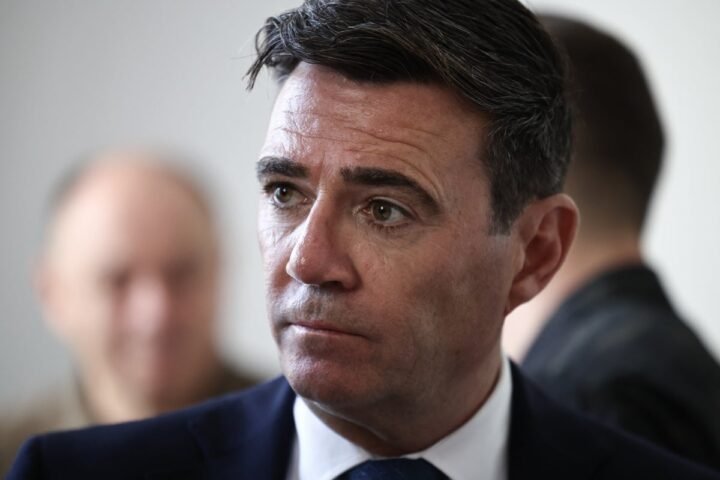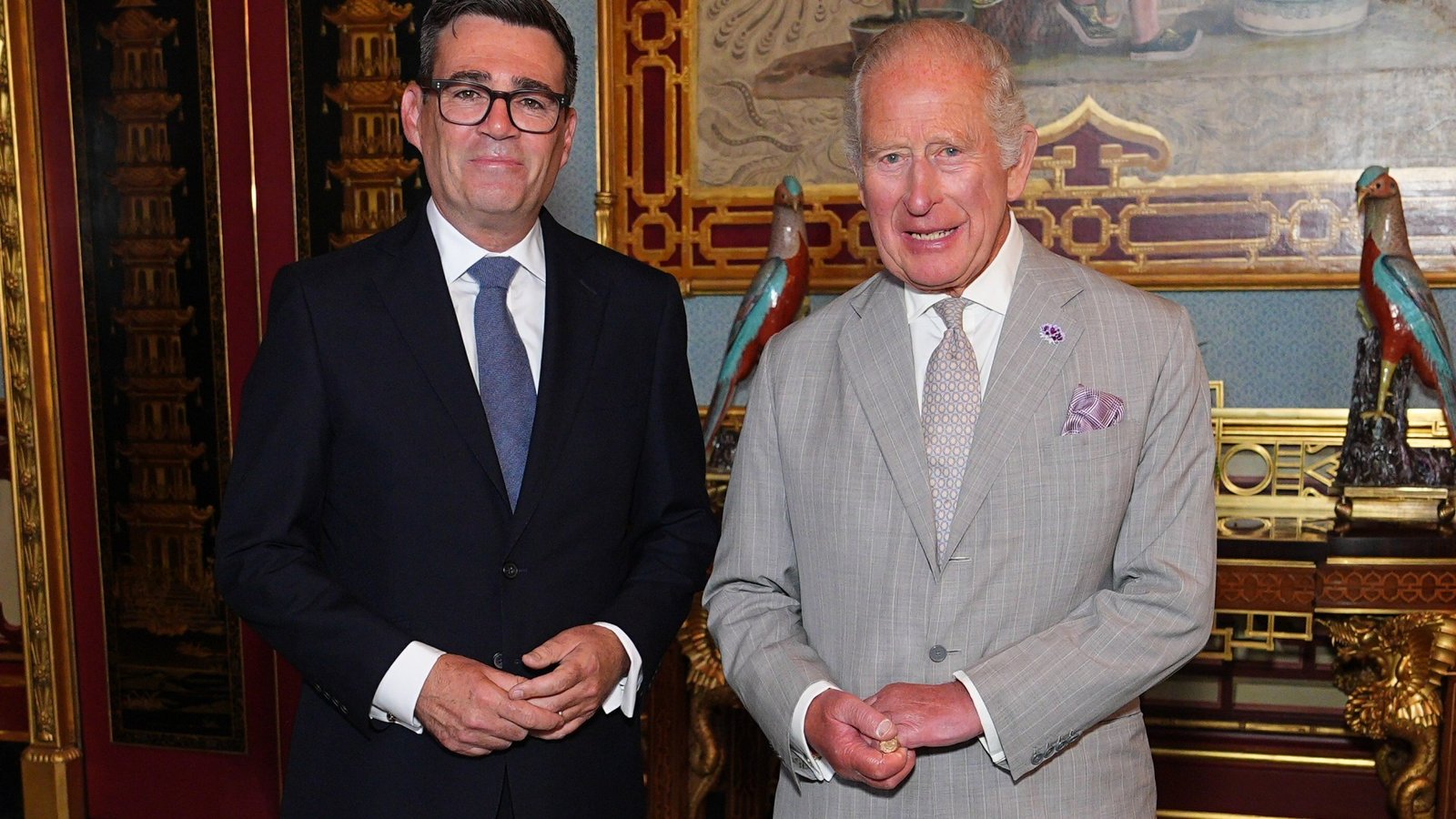
Andy Burnham has officially stepped into Downing Street as Britain’s new Prime Minister, reports BritPanorama.
Following Sir Keir Starmer’s resignation, the former Mayor of Greater Manchester has completed a rapid return to Westminster to take the reins at No10.
With a new leader taking charge midway through a parliamentary term, some voters are questioning when they will get their say.
Will Andy Burnham call an election?
Despite taking over the top job without a national vote, Burnham is under no legal obligation to call a General Election.
Under the UK’s parliamentary system, voters elect a local MP and a political party to form a government, rather than directly electing a Prime Minister. Because Labour retains a sizeable majority in the House of Commons, Burnham inherits the constitutional right to govern.
Burnham has given no sign that he intends to take the country to the polls anytime soon.
While the Dissolution and Calling of Parliament Act 2022 grants the Prime Minister the legal power to call an election whenever they choose, political strategists say Burnham is unlikely to do so.
With tough economic headwinds and Labour trailing in recent opinion polls, calling an early vote would be a political gamble.
When is the next legally required General Election?
If Burnham chooses not to trigger an early vote, the clock is running on how long his government can serve before facing the electorate.
Under current British law, a parliament can last for a maximum term of five years.
The current Parliament met for the first time following the last General Election on July 9, 2024. This means this Parliament will automatically dissolve at midnight – exactly five years after its first sitting.
By law, a General Election must take place within 25 working days of Parliament dissolving, which establishes the deadline for the nation to go to the polls as on or before Thursday, August 9, 2029.
This timeline leaves Prime Minister Burnham with just over three years to deliver on his agenda before facing the public at the ballot box.
Why are some people calling for an election?
Opposition politicians and critics have voiced frustration over the change of leadership, arguing that Burnham lacks a direct democratic mandate from the public.
Because he won his seat in a recent by-election in Makerfield and took the Labour leadership after backing from MPs rather than a general election, critics feel the public has been bypassed.
Conservative Leader Kemi Badenoch and senior Reform UK figures have demanded an election, asserting that the nation should choose who steers the country through current economic challenges.
Opponents also argue that any significant policy shifts away from Labour’s 2024 manifesto will require fresh approval from voters. However, Burnham’s position is legal, and mid-term transitions have become a standard feature of British politics in recent years, seen previously with leaders such as Theresa May, Boris Johnson, and Liz Truss.
As Burnham assumes his role, the political landscape in the UK remains complex, reflecting broader tensions between governance and public mandate in contemporary democracy.