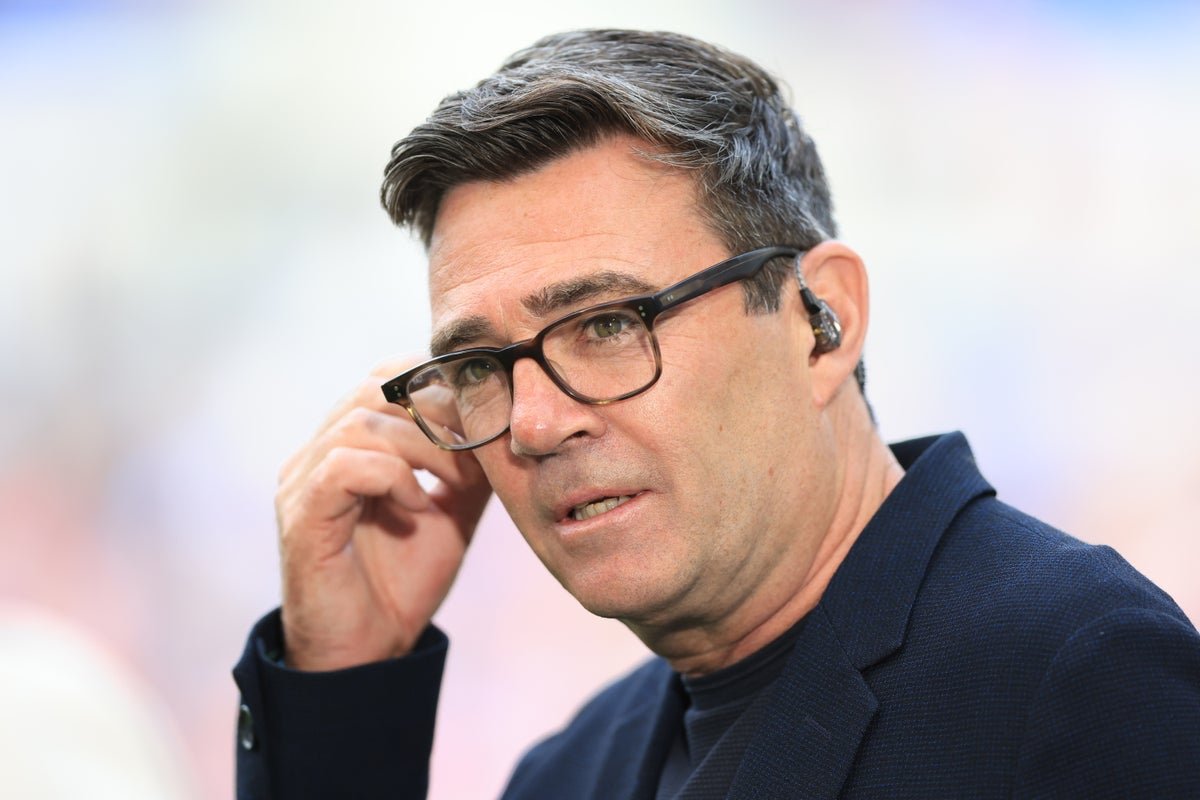
Andy Burnham will pledge to give people “more breathing room” in his first speech as prime minister on Monday, as he begins setting out his vision for his time in office, reports BritPanorama.
The former Greater Manchester mayor ran uncontested for the position after securing the backing of 349 Labour MPs, which made it impossible for anyone to stand against him.
He became Labour leader on Friday and has since been invited by the King to form a government after Sir Keir Starmer’s official resignation.
In his inaugural speech, it is expected Burnham will present a bold vision to undo economic policies instituted by the Thatcher administration in the 1980s and “give back control” to communities across the UK.
His tenure in No 10 has been highly anticipated for several months, with his path to Downing Street having been virtually obstacle-free since his by-election win last month.
During his campaign trail, and following his return to parliament, the prime minister-elect has delivered a series of speeches outlining his policy intentions.
Cost of living
Burnham has indicated that addressing the cost of living will be one of his top priorities. He is expected to promise households more “breathing room” against rising costs and to offer a “reset of priorities”.
In the days prior to taking office, he announced the scrapping of the government’s Digital ID scheme, with a spokesperson stating that the funding “will go instead to where it’s most needed, such as helping with the cost of living.”
It is widely anticipated he will announce a cost of living package to assist households in the short term once he assumes office. However, specific details on the policies remain limited.
One proposed plan involves reducing energy bills by removing certain policy levies from bills, potentially costing taxpayers around £3.2bn a year while saving each household approximately £130 annually, according to think tank Nesta.
Devolution
Burnham has long been a proponent of devolution, advocating for its expansion throughout his tenure as mayor of Greater Manchester.
In his first major speech after re-entering parliament, he stated he would lead a decade-long plan to transform Britain by decentralising power from Whitehall and empowering regions to control essential utilities, transport, and housing.
His flagship proposal includes establishing an outpost of Downing Street in Manchester, dubbed “No 10 in the North”, which he claims would act as a “nerve centre” for driving priorities such as reindustrialisation and regeneration.
Burnham described these proposals as the “biggest rebalancing of power our country has seen”, promising to overcome Whitehall’s resistance to change.
In discussions preceding his appointment, he expressed plans to address the income tax personal allowance freeze at £12,570, which has persisted for five years and was extended by Rachel Reeves at Labour’s last Budget.
Burnham indicated that the issue of the income tax freeze was prevalent during his campaign in Makerfield. Speaking to The Times, he acknowledged it was “lodged in my mind.”
In a recent interview, Burnham also noted that there might be flexibility within the Labour manifesto regarding tax. He has not ruled out the introduction of a wealth tax, suggesting the government may need to “ask for a little more” at some point for fiscal balance.
He suggested hiking business rates for large warehouses, such as those operated by retail giants like Amazon, while relieving high street shops and pubs from those rates.
Despite these considerations, he affirmed his commitment to adhering to Labour’s 2024 election manifesto promise of not increasing income tax, VAT, or national insurance personal contributions.
Burnham has previously indicated he would prefer the government to explore replacing council tax and stamp duty with a land value tax, which would tax property based on its market rental value.
Previously, Burnham expressed a desire for the UK to rejoin the EU within his lifetime. However, he later stated he would not advocate for a return to EU membership, arguing that ongoing debates would trap the country in a “permanent rut.”
Nevertheless, he stated a desire to enhance collaboration with Europe on defence matters, writing in The Times that he aims to consolidate progress made in existing UK-EU negotiations, accelerating cooperation on issues including illegal migration, economic security, and societal resilience against external threats.
In a speech in Manchester last month, he remarked that “the country is in a housing trap” and called for the implementation of a substantial “council house building programme.”
Burnham pledged that his government would oversee the “biggest council house building programme since the post-war period,” repurposing vacant public land to reduce costs.
He also emphasized focusing on higher-density developments within existing towns to revitalize high streets while safeguarding green spaces.
Public ownership
Mr Burnham stated that his No 10 North would focus on three key tasks: reforming essential utilities, reindustrialisation, and regenerating local areas.
Without fully endorsing nationalisation, Burnham expressed that his government would aim to facilitate greater public control over essential services across the UK.
These services include water, housing, energy, and transport, and would accompany a decade-long strategy aimed at reducing the costs of these essentials.
Social care
Burnham has identified reforming adult social care as a priority, asserting he would “grasp the nettle” on necessary changes.
He stated, “I’ve got personal experience of the system at the moment. My dad has Alzheimer’s, and you see what the staff have to put up with. It’s not their fault, the system’s broken. You can’t leave social care like this.”
The former mayor advocated for a publicly-funded “national care service,” a concept he introduced as health secretary in 2009, which was abandoned by the subsequent Conservative government.
Burnham has also outlined several priorities regarding defence, emphasizing the importance of maintaining the UK’s commitments to NATO and the country’s nuclear deterrent.
He has pledged that his government would revitalize Britain’s military capabilities by upgrading existing equipment through the defence investment plan, which could simultaneously foster economic growth and create jobs in communities that have suffered economic decline.
However, he faces a £4.7bn funding gap, as the outgoing prime minister’s £15bn plan has only secured £10.3bn, with the remaining £4.7bn to be “confirmed at Budget 2026, in a fair and balanced way.”
Immigration
Burnham’s allies have suggested that the Makerfield MP would likely continue to support Shabana Mahmood’s contentious immigration reforms upon becoming prime minister.
His focus leading up to the transition has primarily centred on issues like the cost of living and devolution, while his positions regarding immigration and foreign policy have been less frequently articulated.
Nonetheless, on Monday, Burnham supported the government’s asylum reforms, voting in favour of legislation designed to modify the appeals process and eliminate barriers to deportation.
It is also widely anticipated that he will announce Ms Mahmood as his chancellor on Monday, marking a strong indication of his support for her approach in the Home Office.