Andy Burnham hints at potential wealth tax
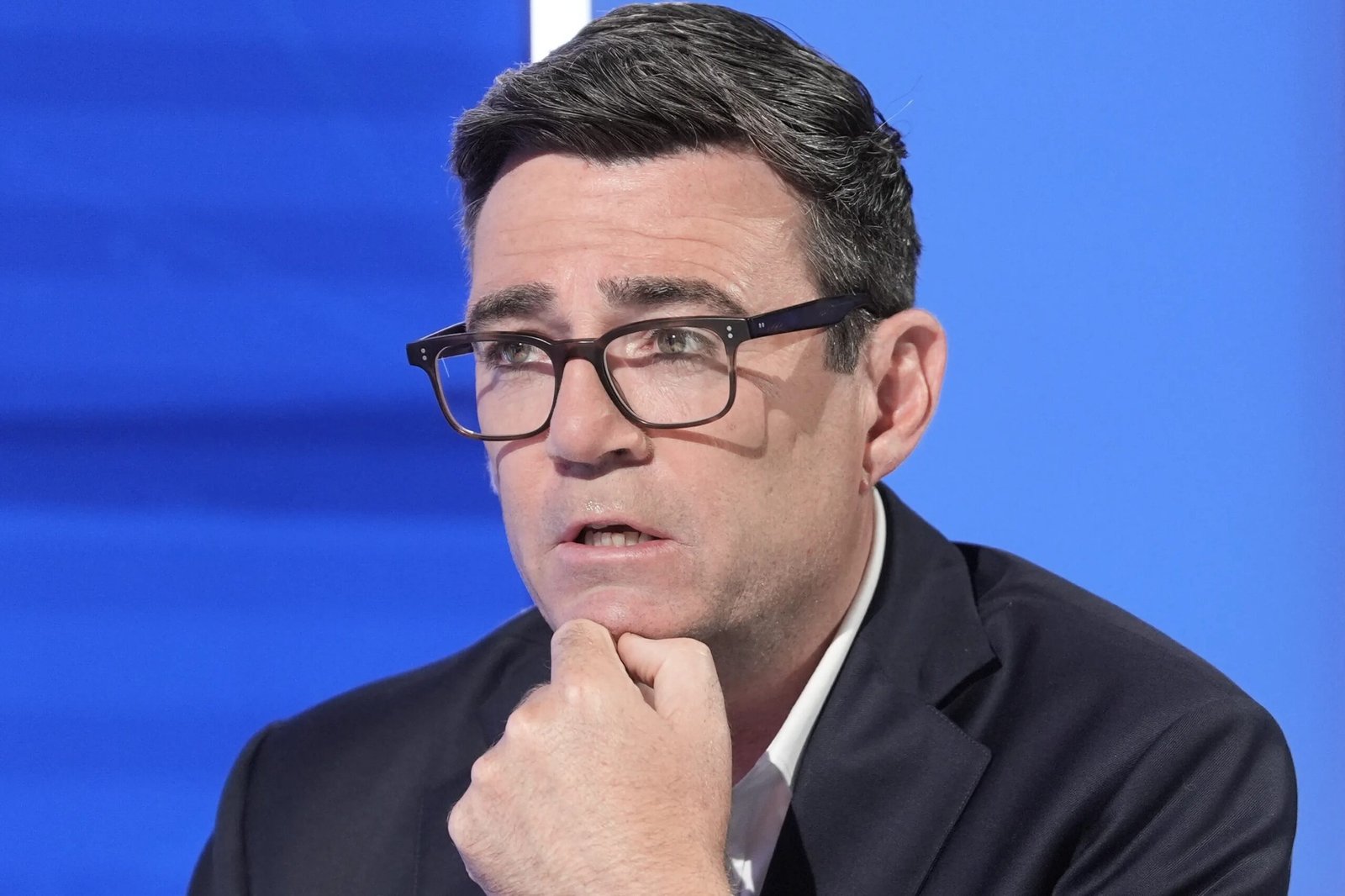
Andy Burnham has opened the door to a wealth tax, indicating that individuals may need to contribute “a little more.” The incoming Prime Minister stated he would make “difficult” decisions regarding charging people based on their assets, reports BritPanorama.
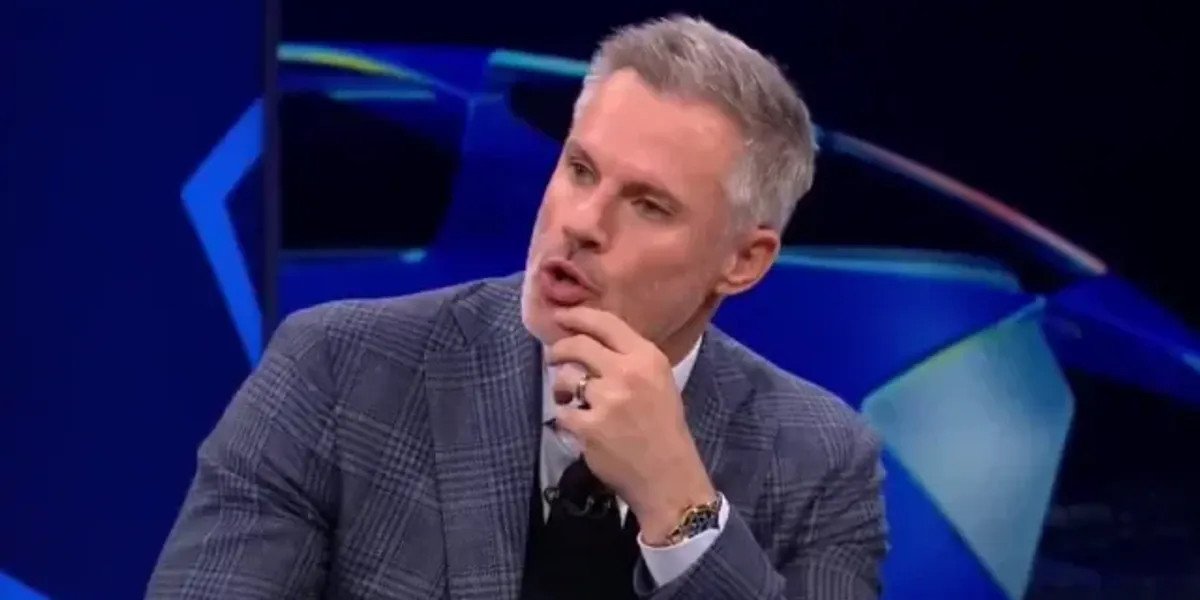
During a recent podcast with Gary Lineker, Burnham said, “I’m not going to rule things out right now,” referring to the possibility of such a levy. He emphasized the necessity for a “greater sense of fairness” in taxation, suggesting that some might have to pay more in the future. However, he noted that these decisions are not imminent, indicating they are questions for another day.
Burnham’s comments come amidst a broader debate on taxation in the UK. He has pledged to honour Labour’s manifesto commitment against raising the headline rates of income tax, national insurance, or VAT. The nuance of the wealth tax could see adjustments to capital gains tax, possibly affecting higher earners.
Reactions to Burnham’s statement have been swift. Conservative leader Kemi Badenoch criticized the proposal, asserting that Burnham is prematurely suggesting tax increases before even assuming office. She condemned Labour’s focus on taxation as indicative of an impending “summer of chaos.”
Amidst these discussions, opponents have raised concerns about the implications of a wealth tax on the economy. Some economists warn that such a tax could result in a net loss as high-net-worth individuals might relocate to regions with more favorable tax conditions. Reform UK spokesperson Robert Jenrick expressed skepticism about Burnham’s commitment, arguing that clarity on which taxes may be increased is essential.
The deliberation over a potential wealth tax reflects ongoing tension in the UK political landscape, where economic strategy is tightly intertwined with public sentiment about fairness and equitable contributions.
This evolving situation demonstrates the challenges the government faces in balancing tax policy with economic stability and public trust, while laying the foundation for an informed debate on the future of taxation in the UK.