Defense Secretary announces new testosterone screening program for troops
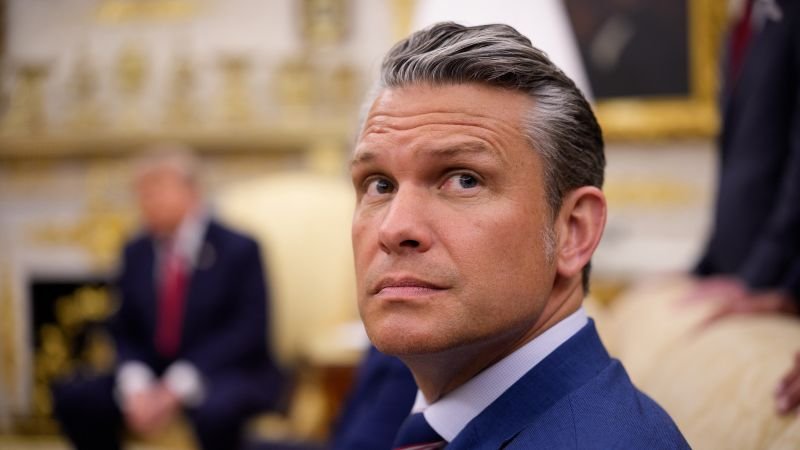
Defense Secretary Pete Hegseth announced a new screening program for “testosterone deficiency” among military personnel on Wednesday, describing it as essential for troops to operate at their “absolute best,” reports BritPanorama.
The screenings will be mandated annually for service members aged 30 and older during their required medical assessments, while those under 30 can choose to volunteer for testing. Hegseth emphasized in a social media video that any testosterone replacement therapy would be voluntary.
While Hegseth referred broadly to troops, it is evident that the initial focus is primarily on male military members for hormone irregularity testing. This initiative coincides with a broader trend among some Trump administration officials advocating for easier access to testosterone replacement therapies for men, blending established science with less substantiated claims regarding the hormone’s benefits.
Testosterone use in the military has previously come under scrutiny
In response to inquiries regarding the specific conditions Hegseth aims to address, the Pentagon highlighted his remarks about the need for troops to be “strong, resilient and capable,” aligning with demands for heightened psychological and mental preparedness in modern combat scenarios. Recent years have seen special operations forces, particularly Navy SEALs, scrutinized for their use of testosterone and other performance-enhancing substances.
A tragic incident involving the death of a SEAL recruit during training in 2022 exposed the prevalence of drug use within the elite program, revealing substances akin to testosterone that had been overlooked. Following this revelation, the Navy initiated a drug-testing program to screen for any hormonal substances that promote muscle growth.
Despite asserting that the new initiative is “not about artificial enhancement,” Hegseth did not address whether female troops would also have access to screenings for lowering estrogen levels as they approach perimenopause, and the Pentagon did not disclose what research backed this policy shift.
RFK Jr. has touted testosterone, but medical experts are wary
As testosterone levels decline naturally with age, common issues include erectile dysfunction, low libido, mood fluctuations, and weight gain. However, the medical community has long debated the appropriateness of diagnosing and treating these conditions through hormone replacement. Hegseth’s announcement comes amid movements by Health Secretary Robert F. Kennedy Jr. and others in the administration to ease testosterone prescription regulations, with the FDA recently proposing changes to prescribing limits.
The current FDA guidelines restrict testosterone medications to men diagnosed with hypogonadism, a condition marked by significantly low testosterone levels. Despite this limitation, advocates of testosterone therapies espouse their anti-aging effects, improved muscle mass, and cognitive clarity, although these claims lack widespread medical endorsement. Emerging studies highlight potential benefits for specific conditions while alleviating prior concerns about safety, particularly regarding cardiovascular health.
Studies funded by the National Institutes of Health have indicated that testosterone therapy can improve symptoms like erectile dysfunction and libido in older men, although the improvements in fatigue, memory, and overall well-being remain minimal. Despite recent research supporting testosterone’s role in enhancing muscle mass and physical strength, current clinical guidelines typically advise against blanket testosterone level testing, reserving therapy for men exhibiting troubling symptoms and confirming low hormone levels on multiple occasions.
Some female Democratic lawmakers with military experience blast the new policy
Senator Tammy Duckworth, an Illinois Democrat and veteran of the Iraq War, criticized Hegseth’s new program, likening it to “gender-affirming care” in light of his previously stated opposition to transgender troops. Representative Chrissy Houlahan, a Pennsylvania Democrat and Air Force veteran, condemned the announcement for reflecting extreme views from the “manosphere.” Both lawmakers urged the Secretary to extend hormone testing to both male and female military personnel to preemptively address fertility issues in service members, who face infertility rates surpassing those of the broader population.
This latest initiative forms part of Hegseth’s broader agenda, which includes prior controversial actions, such as repealing the military’s flu vaccine mandate. His efforts continue to attract scrutiny as they unfold in the context of evolving health policies within the armed forces.
The developments signal a pivotal moment in how military health policies may evolve, reflecting changing perceptions of hormonal treatment amidst ongoing debates about service member wellness.