Reform government plans round-the-clock security for all MPs
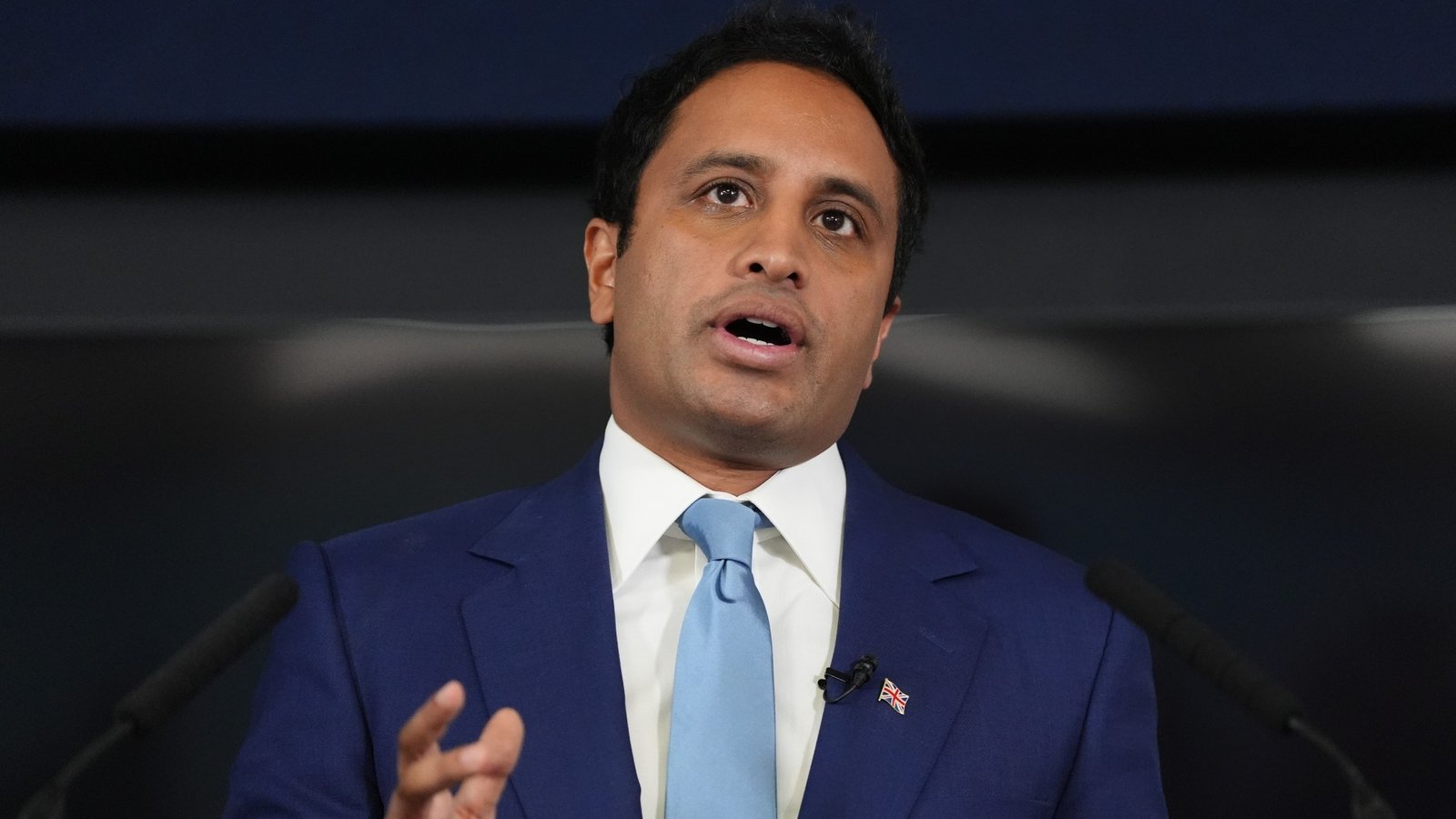
All Members of Parliament (MPs) would receive round-the-clock security if the Reform Party takes power, according to Zia Yusuf, the party’s aspiring Home Secretary, reports BritPanorama.
The proposed initiative includes a £100 million investment aimed at enhancing the protection for politicians across the United Kingdom. Yusuf’s announcement follows rising security concerns in the wake of recent threats against political figures.
This security initiative has been particularly underscored by the suspected murder of Anne Widdecombe, a former MP, which has intensified calls for increased safety measures for individuals in public office. Yusuf clarified that the plan would not detract from police duties, asserting that officers will not be pulled off regular patrols to facilitate these protections.
In defending the proposal, Yusuf stated, “I do not want to see another politician, regardless of party, or former politician, murdered.” Despite these bold plans, he has faced criticism for recent comments where he labelled attacks on Reform politicians as examples of persistent “racism” and “Nazism.”
Furthermore, Yusuf’s vocal critiques have also extended to the Conservative Party, describing them as “traitors” who have failed their constituents. He stated, “It is demonstrable that the Conservative Party has acted in betrayal of the people who voted for them,” reflecting a notable tension among political parties in the UK.
This announcement comes amid ongoing concerns over security, underscored by a recent arrest related to a threat against Nigel Farage, the leader of Reform UK. A suspect in his 20s allegedly made a death threat on social media shortly after the local elections, further illustrating the escalating climate of fear surrounding political figures.
As political tensions rise in the UK, the implications of Yusuf’s security plans and the broader context of political threats remain a focal point of discussion among lawmakers and the public alike.
In recent years, the safety of politicians has been thrust into the spotlight, reflecting a complex interplay of rising tensions within UK politics and public sentiment regarding security and representation. How these challenges will be addressed in a proactive manner will be critical for maintaining public trust in democratic institutions.