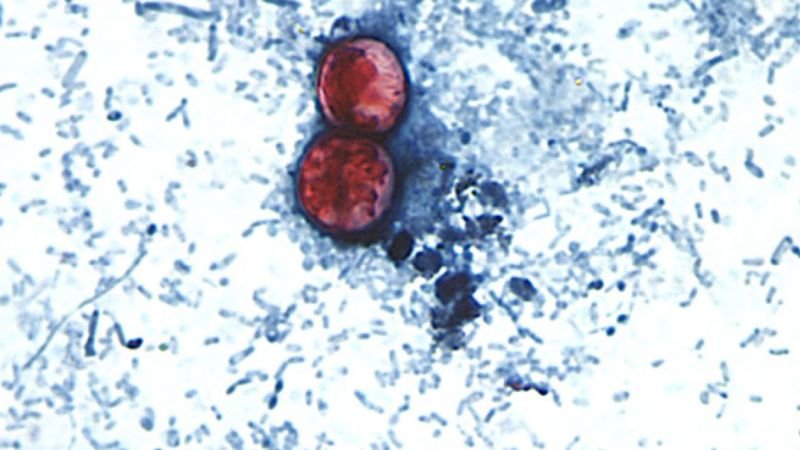
Outbreak of cyclospora infections exceeds 3,000 cases in Michigan and Ohio
An outbreak of diarrhea caused by the parasite cyclospora has risen to more than 3,000 cases in Michigan and Ohio, reports BritPanorama.
Michigan reported 2,640 cases as of 9:30 a.m. on a recent Monday, including 44 hospitalizations. Ohio has documented 434 cases since June 1, with at least 28 individuals requiring hospitalization.
Since July 10, the US Centers for Disease Control and Prevention (CDC) has received reports from 31 states regarding suspected cases; however, it remains unclear whether all reported cases are related to the same outbreak. The CDC noted that “multiple states” have reported an uptick in infections recently compared to the same timeframe in 2025, although its national count stands at 843 confirmed cases since May 1, indicating a discrepancy with state totals pending further investigation.
State and federal investigators have yet to determine the source of this year’s cyclosporiasis cases, further complicating public health efforts.
Typically, cyclosporiasis does not transmit directly between individuals. Instead, infections occur when a person consumes contaminated food or drink, often involving fresh produce or water from recreational sources. Symptoms can include watery diarrhea, cramping, and bloating lasting several weeks, with severe cases potentially leading to dehydration and hospitalization. Treatment generally consists of a seven to ten-day course of the antibiotic sulfamethoxazole-trimethoprim, marketed under the names Bactrim or Septra.
To reduce the risk of infection, health officials recommend thoroughly washing produce, cooking fruits and vegetables, and potentially avoiding recreational water, such as public swimming pools.
The situation highlights ongoing concerns regarding food safety and public health in the United States, particularly as authorities strive to identify the outbreak’s source and prevent further cases.