The debate over ‘soccer’ vs ‘football’ resurfaces during the 2026 FIFA World Cup
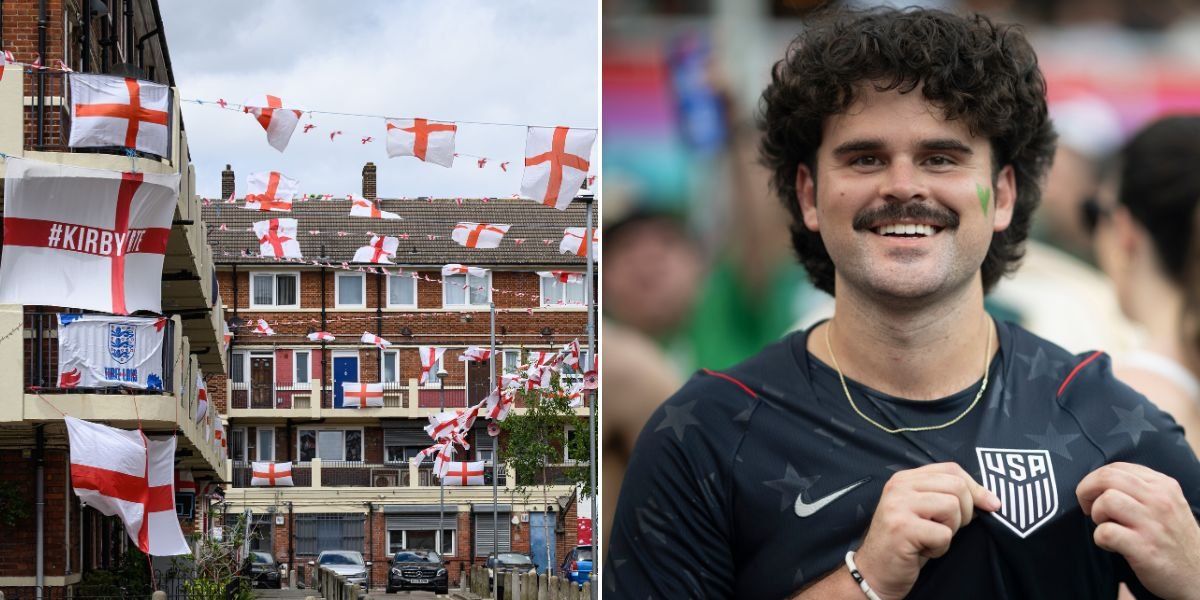
The 2026 FIFA World Cup is now in full swing across North America, and it’s bringing more than just brilliant football to the continent – it’s reigniting a familiar debate about what to actually call the sport, reports BritPanorama.
Americans refer to the game as “soccer,” a term that often frustrates British fans, who predominantly use “football.” This division highlights a curious etymology; the word “soccer” is actually of British origin, having been coined in England over a century ago.
The term emerged at Oxford University in the 1880s, where students would often shorten words and add “-er” to them. Originally, the sport was called “association football,” a designation established by the Football Association in 1863. The nickname “soccer” was derived from “assoc,” which was a playful abbreviation at the time.
Notably, British newspapers frequently used the term “soccer” well into the late 20th century. For example, after England’s surprising defeat to the USA in the 1950 World Cup, the Daily Mail referred to it as the “biggest soccer upset of all time.” This historical context illustrates how the word was common in Britain before gradually falling out of favour.
Despite its decline in usage across the UK, the term found a lasting foothold in the United States. Its application helps distinguish between association football and American football, which remains significantly different in gameplay and culture. Other English-speaking countries, including Canada, Australia, and South Africa, also use the term “soccer,” showcasing the term’s continued relevance outside the UK.
Interestingly, the debate has gained humorous overtones in some circles, with critics suggesting that “American football” could be more accurately termed “handegg,” a reflection on its name game logic.
As the tournament continues, fans across the 16 World Cup host cities will be reminded of the diverse global perspectives on the sport—each echoing the rich cultural dialogues that continue to shape football’s identity.